
HJ260 Flux: Match Mesh Size to SAW Joint Setup
Optimizing Submerged Arc Welding with HJ260 Flux: Matching Mesh Size to Joint Setup
In the realm of industrial fabrication, particularly within sectors involving carbon-steel structures, automotive frames, and railway components, Submerged Arc Welding (SAW) stands as a cornerstone process. Its capacity for high deposition rates, deep penetration, and excellent weld quality makes it indispensable for demanding applications. However, achieving consistent, high-performance welds relies heavily on the meticulous selection and application of all consumables, none more critical than the welding flux.
Among the specialized welding fluxes, HJ260 Flux is a prominent choice, widely recognized for its robust performance in various SAW applications. Yet, its optimal utilization extends beyond simply choosing the right grade; understanding and precisely matching the mesh size of HJ260 Flux to specific joint configurations is paramount for achieving superior metallurgical properties and mechanical performance. This guide delves into the technical considerations for process engineers, elucidating how strategic mesh size selection can significantly enhance SAW outcomes.
The Foundational Role of Welding Flux in Submerged Arc Welding
Welding flux in SAW serves multiple vital functions, fundamentally shaping the final weld characteristics. It protects the molten weld pool from atmospheric contamination, stabilizes the arc, and introduces alloying elements. Furthermore, the flux significantly influences the weld bead shape, penetration profile, and slag detachability. The chemical composition of the flux dictates its metallurgical behavior, but its physical properties, especially particle size distribution—commonly referred to as mesh size—play an equally critical role in its functional performance.
HJ260 Flux is a high-quality fused flux, renowned for its consistent performance and properties. Fused fluxes, produced by melting raw materials at high temperatures (such as the 2000 °C process at Oldwelders using excellent dolomite, bauxite, cryolite, silica, and fluorine ore), offer superior homogeneity and resistance to moisture absorption compared to agglomerated fluxes. This inherent stability ensures more predictable welding results, a crucial factor in high-stakes industrial applications where reliability is non-negotiable.
Deconstructing Mesh Size: Its Impact on Weld Properties
Mesh size refers to the granule size of the welding flux. It is typically expressed as a range, indicating the percentage of particles that pass through or are retained by sieves of specified mesh counts. This physical characteristic directly influences several aspects of the SAW process:
Arc Stability and Penetration
Finer mesh fluxes tend to create a denser flux bed, which can concentrate the arc energy, leading to deeper penetration and a narrower, more defined weld bead. Conversely, coarser fluxes may result in a wider, shallower penetration profile with a broader arc spread. The specific requirements of the joint configuration—whether deep, narrow welds are needed or wider fill passes—will dictate the ideal mesh size for arc performance.
Slag Detachability and Bead Appearance
The interaction between the molten slag and the solidifying weld metal is influenced by flux particle size. Finer fluxes can sometimes produce a more viscous slag that is harder to detach, particularly in deep grooves or complex joint geometries. Coarser fluxes generally offer better slag detachability, contributing to a cleaner, more aesthetically pleasing weld bead. For applications requiring minimal post-weld cleaning, optimizing mesh size for easy slag removal is crucial.
Flux Consumption and Recycling
The packing density of the flux bed is affected by mesh size. Finer fluxes typically pack more densely, potentially reducing flux consumption per unit length of weld. However, the recyclability of finer fluxes can be challenging due to increased dust generation and potential for segregation during handling. Coarser fluxes often offer better reusability, provided they are properly screened to remove fine contaminants and slag particles. Oldwelders' commitment to quality ensures that our welding materials, including various fluxes, are manufactured to precise specifications, supporting efficient operations and material handling.
Bridging and Flow Characteristics
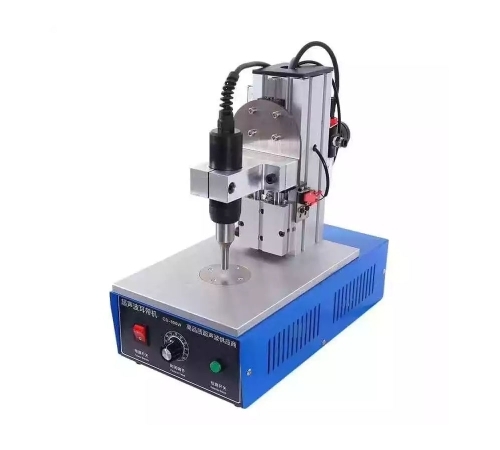
In automated SAW setups, the flow of flux from the hopper to the welding zone must be consistent and unimpeded. Extremely fine fluxes can sometimes "bridge" in hoppers or feed tubes, disrupting continuous operation. Coarser fluxes generally exhibit better flow characteristics, preventing such issues and ensuring a smooth, uninterrupted welding process. The choice of mesh size must therefore consider the capabilities and design of the welding equipment, including the automatic welding machine being utilized.
Strategic Selection of HJ260 Flux Mesh Size for Diverse Joint Configurations
The primary objective is to match the HJ260 Flux mesh size to the specific demands of the joint, material thickness, and desired weld properties. Here are considerations for common joint types:
Narrow Groove Welding (NGW)
For deep, narrow grooves often found in thick-section carbon steel structures, a finer mesh HJ260 Flux is typically preferred. The enhanced arc concentration helps achieve full penetration without excessive heat input, minimizing distortion. The denser flux bed can also support the molten pool in these confined spaces. However, careful consideration must be given to slag detachability in such tight geometries.
Fillet Welds and Lap Joints
For fillet welds and lap joints, which often involve moderate penetration and wider beads, a medium mesh HJ260 Flux can offer a good balance. It provides adequate penetration while ensuring good bead shape and easier slag removal, which is beneficial for productivity in applications like automotive frame manufacturing.
Butt Welds (Single Pass vs. Multi-Pass)
For single-pass butt welds in thinner materials, a finer mesh HJ260 Flux can ensure consistent penetration and a smooth bead profile. For multi-pass butt welds in thicker sections, varying mesh sizes might be employed. Initial root passes might benefit from finer flux for penetration, while subsequent fill and cap passes could utilize a slightly coarser flux for better slag control and bead appearance, especially when using a robust arc welding machine.
High Deposition Applications
In applications demanding very high deposition rates, such as cladding or overlay operations, a coarser mesh HJ260 Flux might be advantageous. It can facilitate higher current levels and larger wire diameters, supporting a wider, shallower weld pool that is conducive to rapid material addition. The improved flow characteristics of coarser flux also support continuous operation at high speeds.
Process engineers must conduct thorough qualification trials to determine the optimal mesh size for each specific application, considering variables such as welding current, voltage, travel speed, and electrode stick-out. The goal is to achieve the desired mechanical properties, minimize defects, and optimize operational efficiency.
Partnering for Performance: Oldwelders' Expertise in Welding Consumables
Choosing a reliable supplier for welding fluxes like HJ260 Flux is as critical as the technical selection process itself. Oldwelders stands as an ISO 9001 certified manufacturer, a testament to our unwavering commitment to quality management systems and consistent product delivery. Our extensive experience in producing high-grade welding consumables ensures that every batch of HJ260 Flux meets stringent international standards.
Our manufacturing facility, spanning an area of 1000 square meters, houses six state-of-the-art production lines. This robust infrastructure enables us to supply up to 100 tons of product per day, demonstrating our capacity to meet large-scale industrial demands efficiently. We understand the importance of timely delivery in maintaining production schedules, and our optimized logistics ensure reliable supply. For instance, our minimum order quantity for fluxes is as accessible as 1 ton, allowing businesses of various scales to benefit from our quality products.
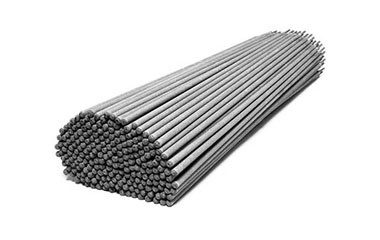
Oldwelders serves a diverse global clientele, with a strong presence in target markets such as Brazil, Thailand, Australia, and Malaysia. This international reach underscores our ability to navigate complex logistical challenges and provide tailored solutions to different regional requirements. Our product portfolio extends beyond welding fluxes to include a comprehensive range of welding machinery, welding wire, and welding rods, positioning us as a single-source partner for all your welding needs.
Our commitment to excellence is deeply embedded in our manufacturing process. We meticulously select excellent raw materials—dolomite, bauxite, cryolite, silica, fluorine ore—which are then melted at 2000 °C to produce our fused fluxes. This stringent quality control at every stage, from raw material sourcing to final product packaging, guarantees the superior performance and consistency of our HJ260 Flux and other products.
For process engineers seeking to optimize their SAW operations, Oldwelders offers not just products, but also the technical expertise and support necessary to make informed decisions regarding flux selection, including mesh size. Our team is equipped to discuss specific application challenges and recommend the most suitable solutions to enhance weld quality, productivity, and cost-efficiency.