
Flux Recovery Unit: Vacuum, Hopper and Filter FAQs
Understanding the Core Components and Benefits of a Flux Recovery Unit
For industrial welding operations, particularly those employing submerged arc welding (SAW), efficiency, material conservation, and weld quality are paramount. A critical piece of equipment facilitating these objectives is the automatic welding machine that often integrates a Flux Recovery Unit. This specialized system is designed to reclaim, clean, and recycle unused welding flux, significantly reducing operational costs and improving environmental performance. At Oldwelders, our commitment to delivering high-quality welding solutions is underpinned by our ISO 9001 certification, ensuring that every product, from welding machine to the components of a Flux Recovery Unit, meets stringent international standards. This guide addresses frequently asked questions regarding the vacuum, hopper, and filter systems that form the backbone of an effective Flux Recovery Unit, helping you make informed decisions for your operations.
What is a Flux Recovery Unit and Why is it Essential for Modern Welding?
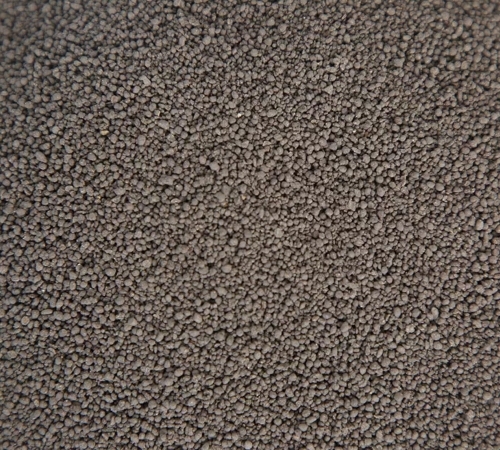
A Flux Recovery Unit is an integrated system engineered to collect, separate, and return unused granular welding flux from the welding zone back into the welding process. During submerged arc welding, a significant amount of flux is applied to shield the arc and molten weld pool from atmospheric contamination. However, only a portion of this flux is consumed in the welding process; the remainder falls away from the weld bead. Without a robust recovery system, this unused flux would be discarded, leading to substantial material waste and increased operational expenses.
The essentiality of a Flux Recovery Unit stems from several key benefits:
- Cost Reduction: By reclaiming and reusing flux, businesses can dramatically reduce their consumption of new welding fluxes. This directly translates to significant savings on material procurement, especially for high-volume operations. Oldwelders understands the scale required for efficient production, with our plant covering an area of 1000 square meters and housing six production lines, capable of supplying 100 tons of flux daily. This capacity underscores our focus on material efficiency, a principle echoed in the design of effective recovery systems.
- Enhanced Weld Quality: A recovery unit cleans the reclaimed flux, removing slag, metal particles, and fine dust. Reusing clean flux ensures consistent weld quality and reduces the likelihood of defects caused by contaminated flux.
- Improved Workplace Safety: By containing and collecting flux dust, these units contribute to a cleaner, safer working environment, minimizing airborne particulate matter and complying with industrial health and safety regulations.
- Environmental Responsibility: Reducing waste aligns with sustainable manufacturing practices, lowering the environmental footprint of welding operations.
- Increased Efficiency: Automated flux recovery systems minimize manual handling, allowing operators to focus on core welding tasks and improving overall productivity.
For companies across target markets such as Brazil, Thailand, Australia, and Malaysia, investing in a reliable Flux Recovery Unit is a strategic decision that pays dividends in both economic and operational performance.
The Role of the Vacuum System in Efficient Flux Collection
The vacuum system is the primary component responsible for collecting the unused flux from the welding area. It acts as the "pickup" mechanism, drawing loose flux from around the weld seam and transporting it to the next stage of the recovery process. The design and power of this system are crucial for effective and continuous operation.
- Collection Mechanism: High-powered industrial vacuum blowers generate suction, drawing flux through flexible hoses and specialized nozzles. These nozzles are often designed to efficiently sweep across the welding area, gathering both larger granules and finer particles.
- System Types: Flux recovery vacuum systems can range from portable units for smaller jobs to integrated, stationary systems built for continuous, heavy-duty industrial applications. Factors like suction power (measured in CFM or m³/hr) and static pressure are critical for handling varying volumes and densities of welding materials.
- Hose and Nozzle Design: The diameter, length, and material of the vacuum hoses are chosen to minimize resistance and prevent clogging, ensuring smooth material flow. Nozzle designs are optimized for specific welding setups, allowing for thorough collection without interfering with the welding operation itself.
- Durability: Given the abrasive nature of welding flux, vacuum components are constructed from robust, wear-resistant materials to ensure longevity and consistent performance in demanding industrial environments.
A well-designed vacuum system ensures that virtually all unused flux is captured, maximizing recovery rates and contributing significantly to material savings. Oldwelders provides a wide range of welding solutions, and understanding the specific requirements of your welding setup is key to recommending the most suitable recovery vacuum system.
Hopper Design and Functionality for Optimal Flux Storage and Feed
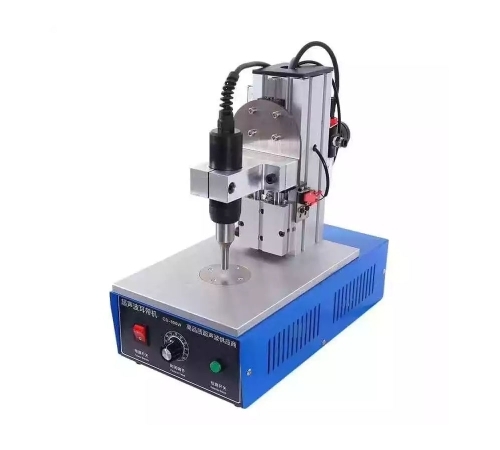
Once collected by the vacuum system, the welding flux is transported to the hopper. The hopper serves multiple critical functions: it acts as a temporary storage vessel, often facilitates initial separation of larger debris, and precisely feeds the cleaned flux back into the welding process. Its design directly impacts the continuity and efficiency of the welding operation.
- Storage Capacity: Hoppers are sized based on the volume of flux recovered and the rate at which it needs to be fed back into the welding machine. Larger hoppers allow for longer continuous operation without manual intervention, which is particularly beneficial in high-production settings. Our capabilities in producing 100 tons of flux daily mean we appreciate the need for efficient material handling at scale, influencing our insights into optimal hopper capacities.
- Material and Construction: Hoppers are typically constructed from heavy-gauge steel, often with abrasion-resistant liners, to withstand the constant flow and abrasive properties of welding flux. Their robust construction ensures durability and a long service life.
- Separation Features: Many hoppers incorporate initial separation stages, such as screens or baffles, to remove larger pieces of slag or foreign contaminants before the flux proceeds to finer filtration. This preliminary separation protects the filtration system and improves its efficiency.
- Flux Delivery System: The bottom of the hopper is usually equipped with a controlled discharge mechanism. This can be a gravity feed system, a vibratory feeder, or a pneumatic conveyor, designed to deliver a consistent and adjustable flow of reclaimed flux back to the welding wire feed unit. Precise control over flux delivery is essential for maintaining consistent weld parameters, especially when working with specialized submerged arc welding flux hj431 or other specific types of flux.
- Integration with Welding Machine: Modern Flux Recovery Units are designed for seamless integration with industrial high grade energy welding machine and other automated welding setups, ensuring that the reclaimed flux is continuously available at the point of use.
The hopper is more than just a storage bin; it is a carefully engineered component that ensures a steady supply of processed flux, directly contributing to uninterrupted and high-quality welding production.
The Critical Function of Filtration in Flux Recovery Units
While the vacuum collects the flux and the hopper stores it, the filtration system is perhaps the most critical component for ensuring the quality of the reclaimed material. Its primary role is to separate fine dust, slag particles, and other contaminants from the reusable flux, guaranteeing that only clean, high-grade flux is returned to the welding process.
- Contaminant Removal: Welding flux, even when unused, can pick up fine metallic dust, slag fragments, and other impurities from the welding environment. If these contaminants are not removed, they can degrade weld quality, leading to porosity, inclusions, or other defects in the final product. Given that Oldwelders produces fluxes from excellent raw materials like dolomite, bauxite, cryolite, silica, and fluorine ore, melted at 2000 °C, preserving the purity of this material through effective filtration is paramount.
- Types of Filters:
- Cyclone Separators: Often the first stage, these use centrifugal force to separate heavier particles from the air-flux mixture, dropping them into a collection bin.
- Bag Filters / Cartridge Filters: These are finer filters designed to capture smaller dust particles. They consist of multiple filter bags or cartridges made from specialized media that trap impurities while allowing clean air to pass through.
- Magnetic Separators: In some advanced systems, magnetic separators are used to remove ferrous metal particles from the flux, further enhancing its purity.
- Filter Efficiency and Maintenance: The efficiency of a filtration system is measured by its ability to capture particles of a certain size. Regular maintenance, including cleaning or replacing filter elements, is essential to maintain optimal performance and airflow. Clogged filters can reduce vacuum power and compromise the quality of the reclaimed flux.
- Impact on Weld Quality: By supplying consistently clean flux, the filtration system directly contributes to producing defect-free welds. This consistency is vital for industries where weld integrity is non-negotiable, supporting the high standards expected from professional B2B operations.
The filtration system is the guardian of flux quality, ensuring that the valuable raw materials are preserved and reused efficiently, upholding the integrity of every weld.
Key Considerations When Selecting a Flux Recovery Unit
Choosing the right Flux Recovery Unit involves more than just understanding its components; it requires careful consideration of your specific operational needs and long-term objectives. Here are key factors to evaluate before making an investment:
- Welding Application: The type of welding process (e.g., single-wire SAW, multi-wire SAW, electroslag welding) and the scale of the operation will dictate the required capacity and features of the unit.
- Flux Type and Granulation: Different fluxes have varying densities and particle sizes. The recovery unit must be capable of efficiently handling the specific type of flux you use without causing degradation or excessive wear.
- Production Volume and Duty Cycle: High-volume, continuous welding operations will require robust, heavy-duty units designed for extended use, whereas intermittent or smaller-scale operations might suit more compact or portable systems. Consider Oldwelders' minimum order quantity of 1 ton for our products, reflecting our capability to cater to both routine and larger-scale industrial requirements.
- Integration with Existing Equipment: Ensure the Flux Recovery Unit can be seamlessly integrated with your current welding machine, wire feeders, and overall production line layout.
- Maintenance and Ease of Use: Look for units that offer easy access for maintenance, filter changes, and cleaning. User-friendly controls and automated features can reduce labor costs and downtime.
- Durability and Material Quality: Given the abrasive nature of flux, choose units constructed from high-quality, wear-resistant materials to ensure a long operational lifespan.
- Supplier Reliability and Support: Partnering with a reputable supplier like Oldwelders, with our ISO 9001 certification and extensive experience in welding technology, ensures access to expert advice, quality products, and reliable after-sales support. We understand the critical nature of lead times and quality assurance for our global partners.
Oldwelders' Commitment to Quality and Global Supply
At Oldwelders, we pride ourselves on being a trusted partner for industrial welding solutions worldwide. Our dedication to quality is formalized through our ISO 9001 certification, a testament to our rigorous quality management systems across all aspects of our operations, from design and manufacturing to customer service. Our state-of-the-art plant, covering an area of 1000 square meters and equipped with six production lines, has the capacity to supply 100 tons of welding materials daily, including high-quality electrode and flux products.
We leverage excellent raw materials such as dolomite, bauxite, cryolite, silica, and fluorine ore, which are melted at 2000 °C to produce superior welding fluxes. This meticulous approach ensures that when you choose Oldwelders, you are investing in products designed for peak performance and reliability. Our professional B2B tone reflects our deep industry knowledge and commitment to providing tailored solutions for our diverse clientele in target markets including Brazil, Thailand, Australia, and Malaysia.
Whether you require a comprehensive Flux Recovery Unit, specialized mig-mag-tig welding machine, or a consistent supply of premium welding materials, Oldwelders is equipped to meet your demands with efficiency and expertise. Our minimum order quantity of 1 ton ensures accessibility for businesses of various scales, while our efficient processes aim to support your project timelines effectively.
Understanding the intricacies of vacuum, hopper, and filter systems within a Flux Recovery Unit is essential for optimizing welding operations. By investing in a high-quality system, businesses can realize significant savings, improve weld quality, and enhance workplace safety. Oldwelders remains your reliable partner, providing not only superior welding products but also the knowledge and support necessary to achieve your manufacturing goals. Contact us today to discuss how our solutions can integrate with and elevate your production capabilities.