
Electrode Holders: Amp Rating & Cable Fit Guide
Understanding Electrode Holders: Essential Considerations for Amp Rating and Cable Fit
For import buyers and welding distributors, selecting the correct welding accessories is paramount to ensuring operational efficiency, safety, and consistent weld quality. Among these critical components, the electrode holder stands out as a fundamental tool that directly impacts performance. This guide addresses frequently asked questions concerning amp ratings and cable fit, providing the detailed insights necessary for informed procurement decisions.
The Integral Role of an Electrode Holder in Welding Operations
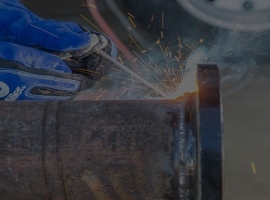
An electrode holder is the vital link between the welding cable and the welding electrode, serving several crucial functions. It secures the electrode in place, facilitates the transfer of electrical current from the power source to the electrode, and provides an insulated handle for the welder to manipulate the arc safely and precisely. The design and quality of this tool directly influence the welder's control, comfort, and, most importantly, safety. A well-chosen holder minimizes resistance, preventing overheating and ensuring stable arc characteristics, which are essential for producing high-quality welds. Given its importance, understanding the technical specifications, particularly amp rating and cable compatibility, is non-negotiable for both distributors and end-users.
Decoding Amp Ratings: Matching Holders to Your Welding Needs
The amp rating of an electrode holder specifies the maximum continuous current it can safely carry without overheating or degrading. This rating is a critical safety and performance parameter that must correspond with the welding machine's output and the application's demands. Mismatched amp ratings can lead to serious issues, including equipment damage, premature failure of the holder, and potential safety hazards for the operator.
Why Amp Rating is Crucial for Performance and Safety
- Preventing Overheating: If a holder with an insufficient amp rating is used for a high-current application, it will overheat. This can melt insulation, damage internal components, and lead to poor electrical contact.
- Maintaining Weld Quality: Overheating can also increase electrical resistance, causing voltage drops and an unstable arc. This directly compromises weld quality, leading to defects such as porosity or incomplete fusion.
- Ensuring Durability: Using a holder within its specified amp rating extends its lifespan, ensuring consistent performance over time and reducing replacement costs.
- Operator Safety: A compromised or overheating holder poses a significant risk of electrical shock or burns to the welder.
Selecting the Correct Amp Rating
To choose the appropriate tool, consider the following:
- Welding Machine Output: Identify the maximum amperage your welding machine can deliver. The holder's amp rating should meet or exceed this value. For example, if your machine is rated for 300 amps, a 300A or 400A holder would be suitable.
- Duty Cycle: While the machine's maximum output is important, also consider its duty cycle and the typical amperage used for most welding tasks. For continuous high-amperage welding, opting for a holder with a slightly higher amp rating than your peak operational current can provide an additional safety margin and enhance durability.
- Electrode Size: Larger diameter electrodes generally require higher amperages. Ensure the holder's rating aligns with the current requirements of the electrodes you will primarily use.
Oldwelders offers a range of welding accessories, including robust electrode holders designed to meet stringent international standards. Our manufacturing processes, certified under ISO 9001, guarantee that our products are engineered for reliability and safety, addressing the diverse needs of markets in Brazil, Thailand, Australia, and Malaysia.
Ensuring Optimal Cable Fit: A Guide to Secure Connections
Beyond amp rating, the secure and proper fit of the welding cable to the electrode holder is equally critical. A poor cable connection can lead to many of the same issues as an incorrect amp rating: overheating, voltage drop, and compromised safety. Understanding the different connection types and how to ensure a snug fit is essential for any professional welding setup.
Common Cable Connection Types
- Screw-Type Connections: These are common and involve stripping the cable insulation and inserting the bare copper strands into a terminal, which is then secured by a screw or bolt. Proper tightening is crucial to prevent loose connections.
- Cam-Lock Connections: Often found on heavier-duty holders, cam-lock systems provide a quick and extremely secure connection by twisting the cable end into the holder, locking it into place.
- Set Screw Connections: Similar to screw-type, but often with a more robust clamping mechanism, these use one or more set screws to firmly hold the stripped cable end.
The Importance of a Tight and Insulated Connection
- Minimizing Resistance: A loose connection creates electrical resistance, leading to heat buildup at the connection point. This wastes energy and can damage both the cable and the holder.
- Preventing Arc Instability: Fluctuating resistance from a poor connection can cause the welding arc to become erratic, making it difficult to achieve consistent weld quality.
- Enhancing Safety: An uninsulated or poorly secured connection exposes live electrical conductors, posing a severe risk of electrical shock. The insulation around the connection point must be intact and robust.
- Extending Equipment Life: Proper cable fit reduces strain on both the cable and the holder, extending the lifespan of these valuable welding materials.

Key Factors in Selecting the Right Electrode Holder
When making procurement decisions for your inventory or specific projects, a comprehensive approach to selection is vital. Beyond amp rating and cable fit, several other factors contribute to the overall utility and value of the welding tool.
Material Quality and Durability
The materials used in the construction of the holder significantly influence its durability and heat resistance. High-quality copper alloy jaws ensure excellent electrical conductivity and resistance to wear. The handle material should be robust, impact-resistant, and provide superior electrical insulation. Oldwelders emphasizes material excellence across all our product lines, from arc welding machines to the smallest accessories. Our commitment extends to the raw materials for our welding fluxes, which include excellent dolomite, bauxite, cryolite, silica, and fluorine ore, melted at 2000 °C to ensure purity and performance.
Ergonomics and User Comfort
For welders who spend hours with the tool in hand, ergonomics are crucial. A comfortable, well-balanced holder reduces operator fatigue, leading to better control and higher productivity. Features like textured grips, lightweight design, and an optimal handle angle can make a significant difference in long-duration welding tasks.
Jaw Design and Electrode Grip
The design of the jaws determines how securely the electrode is held and how easily it can be inserted and removed. Jaws with strong spring tension and a multi-angle gripping mechanism allow for versatile electrode positioning and prevent slippage, which is critical for consistent arc control. Oldwelders ensures that our electrode holders feature robust jaw designs for reliable performance with various electrode types, including AWS E6013 Welding Electrodes.
Oldwelders' Commitment to Quality and Supply Chain Excellence
At Oldwelders, we understand the rigorous demands of the B2B welding market. Our commitment to quality is underscored by our ISO 9001 certification, ensuring that every product, including our comprehensive range of welding accessories, meets the highest international standards. Our manufacturing facility, spanning 1000 square meters, is equipped with six production lines, capable of supplying up to 100 tons of product per day. This substantial capacity allows us to efficiently fulfill orders, even for large-scale requirements, with a typical minimum order quantity of 1 ton.
We pride ourselves on our streamlined logistics and efficient lead times, generally achieving order fulfillment within 30 days. This operational efficiency is vital for our partners in target markets such as Brazil, Thailand, Australia, and Malaysia, who rely on predictable supply chains. Our focus is not just on providing products but on delivering complete solutions that support the productivity and profitability of our clients.
Frequently Asked Questions about Electrode Holders
What is the difference between a fully insulated and a partially insulated electrode holder?
A fully insulated holder has all current-carrying parts completely enclosed within insulating material, minimizing the risk of accidental electrical contact. A partially insulated holder may have some exposed metal parts, which can increase the risk of shock if not handled carefully. For maximum safety, especially in industrial environments, fully insulated models are generally preferred and often required by safety regulations.
How do I maintain my electrode holder for optimal performance?
Regular maintenance is key. Inspect the jaws for wear and tear, ensuring they still provide a firm grip. Check the cable connection for tightness and corrosion; clean it if necessary. Examine the insulation on the handle and around the cable connection for cracks or damage. Replace any worn or damaged components promptly to maintain safety and performance.
Can I use a higher amperage holder than my welding machine's output?
Yes, using a holder with an amp rating higher than your welding machine's maximum output is generally safe and often recommended. It provides an extra margin of safety and durability, as the holder will be less stressed. However, you should never use a holder with an amp rating lower than your machine's output, as this will lead to overheating and potential failure.
What cable size should I use with my electrode holder?
The correct cable size depends on the amperage, the length of the cable run, and the duty cycle. Thicker cables (lower gauge numbers) are required for higher amperages and longer runs to minimize voltage drop and prevent overheating. Always consult a welding cable sizing chart to match your cable to your welding machine's output and the chosen holder's capacity. A secure and appropriately sized cable connection is as crucial as the holder itself for efficient current transfer.
Are there specialized electrode holders for specific welding processes?
While many holders are versatile for general stick welding (SMAW), some variations exist. For instance, some heavy-duty holders are designed for high-amperage industrial applications, while lighter-duty models are available for hobbyists or light fabrication. The key distinctions usually revolve around amp rating, durability, and the mechanism for gripping the electrode. For specialized welding processes, you may find specific special welding machine accessories designed for optimal integration.