
Electrode Core Wire: Metal Core vs Flux Core for Engineers
Choosing the Right Electrode Core Wire for Industrial Welding
In modern industrial fabrication, optimizing welding processes is a critical lever for improving productivity, ensuring quality, and managing costs. For process engineers, the selection of welding consumables is a foundational decision that impacts every subsequent step, from deposition rates to post-weld cleanup. Among the most versatile and productive options is the Electrode Core Wire, a tubular filler metal that offers significant advantages over traditional solid wires. However, within this category, two primary types dominate: metal-cored and flux-cored wires. Understanding their distinct characteristics, operational boundaries, and ideal applications is essential for making an informed choice that aligns with your specific production goals.
While both are tubular wires designed for semi-automatic or automatic processes, their internal composition creates profound differences in arc characteristics, slag systems, and overall performance. This guide provides a detailed technical comparison to help engineers determine when the high-speed, low-spatter benefits of metal core outweigh the all-position versatility and robust nature of flux core.
Understanding Metal-Cored Wire (MCAW)
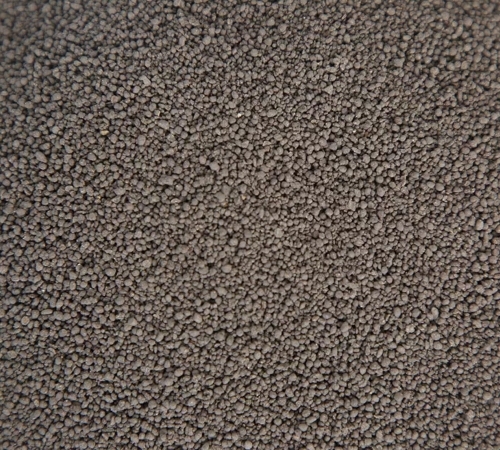
Metal-Cored Arc Welding (MCAW) wire is a composite tubular electrode consisting of a metal sheath filled with a precise blend of metallic powders, alloys, and arc stabilizers. Unlike flux-cored wires, the core material contains minimal to no slag-forming agents. The primary purpose of the core is to introduce alloying elements and enhance the electrical characteristics of the arc, resulting in a unique set of operational benefits.
The composition of the core is engineered to produce a broad, spray-like arc transfer that is exceptionally stable and efficient. This leads to several key advantages:
- High Deposition Rates: Because nearly all of the wire (typically 95-98%) becomes part of the finished weld, deposition rates are significantly higher than those of solid wire or flux-cored wire at equivalent amperage settings. This translates directly to faster travel speeds and increased throughput.
- Minimal Slag and Spatter: The absence of heavy fluxing agents means MCAW produces a very thin, friable slag layer, if any at all. This, combined with the stable spray transfer, results in exceptionally low spatter levels, drastically reducing the need for post-weld grinding and cleaning.
- Excellent Gap Bridging: The wide, less forceful arc is adept at bridging gaps in fit-up, making it a forgiving option in automated and semi-automated applications where joint consistency may vary.
Metal-cored wires are almost exclusively used with a shielding gas, typically an argon/CO2 blend. They excel in high-volume, flat, and horizontal fillet welds, making them a preferred choice for robotic welding, heavy equipment manufacturing, and structural steel fabrication where speed and clean welds are paramount.
Deconstructing Flux-Cored Wire (FCAW)
Flux-Cored Arc Welding (FCAW) wire is also a tubular electrode, but its core contains a robust mixture of deoxidizers, fluxing agents, arc stabilizers, and alloying elements. This flux composition is the defining feature, creating a protective slag system that shields the molten weld pool from atmospheric contamination. This fundamental difference leads to two distinct sub-categories of FCAW wire.
Gas-Shielded Flux-Cored Wire (FCAW-G)
FCAW-G, or dual-shield wire, requires an external shielding gas (usually 100% CO2 or an Argon/CO2 blend) in addition to the protection provided by its internal flux. The combination of gas and slag shielding creates an extremely robust and stable welding environment. This allows for higher deposition rates than solid wire and provides excellent mechanical properties, including superior toughness and crack resistance. The slag system helps shape the weld bead, making FCAW-G wires suitable for welding in all positions, including vertical-up and overhead, with the appropriate wire classification.
Self-Shielded Flux-Cored Wire (FCAW-S)
FCAW-S, or Innershield wire, is engineered to generate its own shielding gas from the flux within the core as it burns in the arc. This completely eliminates the need for an external gas cylinder and regulator, making it an invaluable tool for outdoor and field applications. Wind and draft, which would compromise an external shielding gas, have little effect on the process. While FCAW-S wires typically produce more fumes and spatter than their gas-shielded counterparts, their portability and ability to weld on dirty or rusty materials make them indispensable for construction, repair work, and on-site fabrication.
Operational Boundaries: Metal Core vs. Flux Core
The choice between metal core and flux core is not about which is universally superior, but which is operationally optimal for a specific application. A process engineer must weigh the trade-offs between speed, weld quality, positional flexibility, and environmental conditions.
| Factor | Metal-Cored Wire (MCAW) | Flux-Cored Wire (FCAW) |
|---|---|---|
| Primary Advantage | Productivity (speed and cleanup) | Versatility (all-position, outdoor use) |
| Deposition Efficiency | Very High (95-98%) | High (85-92%) |
| Slag System | Minimal to none | Substantial, protective slag covering |
| Positional Capability | Primarily flat and horizontal | All positions (with correct classification) |
| Base Metal Condition | Requires clean material | More tolerant of mill scale, rust, and contaminants |
| Post-Weld Cleanup | Minimal; very little spatter | Required; slag removal and spatter cleaning |
| Common Applications | Automated/robotic welding, heavy fabrication, pressure vessels | Structural steel, shipbuilding, field repair, general fabrication |
The critical takeaway is that productivity claims for metal-cored wire are only realized under the right conditions. If a facility primarily performs out-of-position welds or works with materials that are not perfectly clean, the robust nature of a flux-cored wire like our aws e6013 welding electrodes will likely provide a more reliable and ultimately more productive outcome, despite a slower theoretical travel speed. Conversely, for a high-volume production line with automated systems welding clean steel in the flat position, MCAW is almost always the superior choice for maximizing throughput.
Sourcing High-Quality Consumables for Process Reliability
The theoretical benefits of any Electrode Core Wire can only be achieved if the consumable itself is manufactured to exacting standards. Inconsistent wire diameter, poor chemical composition, and moisture absorption can lead to feeding issues, arc instability, and weld defects that undermine any planned productivity gains. Partnering with a proven supplier is essential for process reliability.
At Oldwelders, we operate as an ISO 9001 certified manufacturer, a testament to our commitment to quality and consistency. Our 1000-square-meter facility is equipped with six modern production lines, capable of supplying up to 100 tons of welding materials per day. This capacity ensures a stable supply chain for our global partners, including those in demanding markets like Brazil, Thailand, and Australia. We control quality from the very beginning, using excellent raw materials like dolomite, bauxite, and silica for our welding fluxes, which are melted at 2000°C to ensure purity and performance.
With a standard lead time of 30 days and a minimum order quantity of 1 ton, we are structured to support industrial-scale operations and help you maintain a seamless production schedule. Whether you require a high-speed metal-cored wire for an automated line or a robust flux-cored wire for structural projects, our manufacturing discipline ensures you receive a product that performs as expected, batch after batch.
Conclusion: Matching the Wire to the Work
The decision between metal-cored and flux-cored wire is a strategic one that hinges on a clear understanding of your operational realities. Metal-cored wire offers unparalleled productivity in controlled, high-volume environments. Flux-cored wire provides unmatched versatility, enabling high-quality welds across various positions and in less-than-ideal conditions.
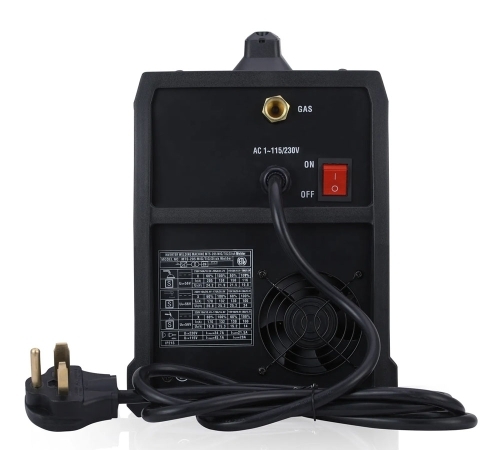
For process engineers, the goal is to look beyond simple data sheets and evaluate the entire welding ecosystem: joint design, material condition, welder skill, equipment like the arc welding machine being used, and post-weld requirements. By carefully aligning the specific strengths of an Electrode Core Wire with the demands of the application, you can unlock significant improvements in efficiency, quality, and your bottom line.