
Covered Electrode Arc Troubleshooting & Fixes
Optimizing Arc Stability with the Right Covered Electrode Selection and Troubleshooting
In the demanding world of industrial welding, maintaining a stable and consistent arc is paramount for achieving high-quality welds. For operators and maintenance teams utilizing Shielded Metal Arc Welding (SMAW), understanding and resolving common arc problems associated with the Covered Electrode is critical. An erratic arc can lead to costly rework, compromised structural integrity, and decreased productivity. This comprehensive guide from Oldwelders is designed to equip you with the knowledge to diagnose common issues, implement quick fixes, and select the optimal welding electrode for your specific applications, ensuring professional and reliable results.
Understanding Common Arc Problems with Covered Electrodes
Troubleshooting begins with recognizing the symptoms of a problematic arc. Each issue, while distinct, can significantly impact weld quality and efficiency. Identifying these early is key to minimizing downtime and ensuring the integrity of your work.
Arc Instability and Wandering
Arc instability manifests as an erratic, difficult-to-control arc that frequently extinguishes or wanders across the joint. This can lead to inconsistent bead width, poor penetration, and increased spatter. A wandering arc makes it challenging for the operator to maintain a steady travel speed and arc length, directly affecting the aesthetic and mechanical properties of the weld metal.
Excessive Spatter and Porosity
Spatter refers to small droplets of molten metal expelled from the arc that solidify on the base metal adjacent to the weld bead. While some spatter is normal, excessive amounts indicate an issue and require post-weld cleaning, increasing labor costs. Porosity, on the other hand, involves gas pockets trapped within the solidified weld metal, which significantly reduces the weld's strength and can lead to failure. Both are often linked to improper arc conditions or contaminated welding consumables.
Slag Inclusion and Poor Slag Removal
Slag, the solidified flux residue, is designed to protect the molten weld pool from atmospheric contamination. When slag becomes trapped within the weld metal, it creates a defect known as slag inclusion, weakening the weld. Poor slag removal, where the slag is difficult to detach after welding, suggests an issue with the welding parameters or the electrode's flux characteristics. This can lead to additional cleaning time and potential for defects if not properly addressed.
Arc Blow
Arc blow is a phenomenon primarily encountered with DC welding, especially when using high currents. It refers to the deflection of the arc from its intended path due to magnetic forces in the workpiece. This can cause severe arc instability, excessive spatter, incomplete fusion, and difficulty in controlling the weld pool. It is particularly prevalent when welding near the end of a joint or in corners, where magnetic fields become concentrated.
Cracking (Hot and Cold)
Cracking, whether hot (occurring during solidification) or cold (occurring after cooling), can be exacerbated by arc issues. Unstable arcs can lead to inconsistent heat input, residual stresses, and unfavorable microstructure in the weld, increasing susceptibility to cracking. While material composition and joint design play significant roles, arc quality is a contributing factor that operators can control to mitigate risk.
Diagnosing Root Causes of Arc Instability
Pinpointing the exact cause of an arc problem requires a systematic approach. Many factors, ranging from equipment settings to material preparation, can contribute to poor arc performance. Understanding these underlying causes is the first step toward effective remediation.
Incorrect Amperage and Voltage Settings
The most common culprit behind arc instability is often incorrect welding parameters.
- Too Low Amperage: Leads to a "cold" arc, poor penetration, difficulty in striking and maintaining the arc, and excessive spatter. The electrode may stick to the workpiece.
- Too High Amperage: Results in an excessively "hot" arc, leading to burn-through, undercutting, and rapid electrode consumption. This can also cause significant spatter and make it difficult to control the weld pool.
- Voltage: While less directly adjustable in basic SMAW, the effective voltage is influenced by arc length. An excessively long arc increases voltage, leading to a wider, shallower bead and more spatter. A very short arc can cause the electrode to stick.
Improper Electrode Type and Diameter
Using the wrong type or diameter of welding electrode for the specific application can severely impact arc stability and weld quality. Different electrodes are designed for various base metals, welding positions, and penetration requirements. For instance, an electrode designed for deep penetration might be unsuitable for thin materials, while one intended for all-position welding might not provide optimal deposition rates for flat positions. Oldwelders offers a comprehensive range of electrodes and other welding materials to ensure you find the perfect match for any job.
Moisture Contamination in Electrodes
The flux coating on electrodes is hygroscopic, meaning it absorbs moisture from the atmosphere. Moisture in the flux vaporizes in the arc, introducing hydrogen into the weld pool. This can lead to hydrogen-induced cracking, porosity, and an extremely unstable, sputtering arc. Electrodes like low-hydrogen types (e.g., E7018) are particularly sensitive to moisture and require strict storage conditions.
Poor Workpiece Preparation
Contaminants on the base metal—such as rust, oil, grease, paint, or mill scale—can negatively affect arc stability. These impurities can decompose or vaporize under the arc, creating gases that lead to porosity and an erratic arc. Proper cleaning and preparation of the joint area are essential for a stable arc and sound weld.
Faulty Welding Machine or Cables
Issues with the welding equipment itself can also cause arc problems.
- Poor Ground Connection: A loose or corroded ground clamp increases electrical resistance, leading to an unstable arc and insufficient current flow.
- Damaged Cables: Frayed, cut, or undersized welding cables can cause voltage drops and overheating, resulting in a weak or erratic arc.
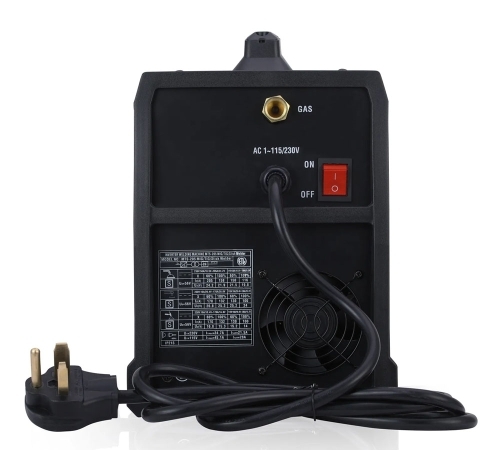
- Machine Malfunction: Internal issues within the welding machine, such as rectifier problems or control circuit failures, can directly impact arc performance. Regular maintenance and checks of your arc welding machine are crucial.
Operator Technique
Even with perfect equipment and materials, improper operator technique can lead to arc instability. Factors such as inconsistent arc length, incorrect travel speed, and improper electrode angle can all contribute to poor arc behavior and weld defects. Developing consistent technique through practice and training is vital.
Troubleshooting Guide: Quick Fixes for Covered Electrode Issues
Once the root cause is identified, implementing the correct fix can quickly restore arc stability and improve weld quality. Here are practical steps for addressing common issues related to your welding electrode.
Adjusting Welding Parameters
- Amperage: Start with the manufacturer's recommended amperage range for the specific electrode and material thickness. If the arc is sticking, increase amperage slightly. If it's too hot with excessive burn-through, reduce it.
- Arc Length: Maintain a consistent arc length, typically equal to the electrode's core wire diameter. A shorter arc generally provides better penetration and a more stable weld pool, while a longer arc can lead to increased spatter and porosity.
- Travel Speed: Adjust travel speed to ensure proper fusion and bead profile. Too fast, and you risk incomplete fusion; too slow, and you might get excessive buildup or burn-through.
Electrode Handling and Storage
Preventing moisture contamination is paramount for many types of welding electrodes.
- Proper Storage: Store electrodes in a dry, temperature-controlled environment. For moisture-sensitive electrodes (especially low-hydrogen types), use heated storage ovens or hermetically sealed containers.
- Re-baking: If low-hydrogen electrodes have been exposed to atmosphere for too long, they must be re-baked according to the manufacturer's specifications. This typically involves heating them in a specialized oven at specific temperatures for a set duration to drive out moisture. Oldwelders' commitment to quality begins with the raw materials of our welding fluxes, which are produced using excellent dolomite, bauxite, cryolite, silica, and fluorine ore, melted at 2000 °C, ensuring optimal performance and resistance to moisture in our finished products.
Optimizing Workpiece and Equipment
- Cleanliness: Always clean the base metal thoroughly before welding. Remove rust, oil, paint, and other contaminants using grinders, wire brushes, or solvents.
- Ground Clamp: Ensure a clean, tight, and direct connection for the ground clamp to the workpiece. Placing the ground clamp closer to the weld area can also help reduce arc blow.
- Cable Inspection: Regularly inspect welding cables for damage. Replace any frayed or damaged cables, and ensure they are of adequate size for the current being used.
Addressing Arc Blow
Arc blow can be particularly frustrating, but several strategies can mitigate its effects.
- Ground Clamp Repositioning: Experiment with different ground clamp positions. Placing it ahead of the weld direction can sometimes counteract the magnetic forces.
- Short Arc Length: Maintaining a very short arc length can help keep the arc more focused and less susceptible to magnetic deflection.
- AC Welding: If feasible, switch to an AC welding machine, as alternating current inherently reduces arc blow.
- Workpiece Orientation: If possible, reposition the workpiece or use run-out tabs to move the start and end of the weld away from critical areas.
Refining Operator Technique
Consistent operator technique is fundamental to a stable arc.
- Consistent Arc Length: Practice maintaining a steady arc length throughout the weld pass.
- Electrode Angle: Use the correct electrode angle (push or drag) as recommended for the specific electrode and joint configuration.
- Travel Speed: Develop a consistent travel speed that allows for proper fusion and bead formation without excessive heat input or lack of penetration.
Selecting the Optimal Covered Electrode for Your Application
Choosing the right welding electrode is not just about availability; it's about matching the consumable to the job requirements for optimal performance and weld quality. Oldwelders is an ISO 9001 certified manufacturer, guaranteeing that our products meet stringent quality standards from raw material sourcing to final production. Our plant, covering an area of 1000 square meters and equipped with six production lines, boasts a daily capacity of 100 tons, ensuring consistent supply for our global clientele in target markets such as Brazil, Thailand, Australia, and Malaysia. For businesses looking for reliable supply, we accommodate minimum order quantities as low as 1 ton with a typical lead time of approximately 30 days.
Understanding Electrode Classifications
The American Welding Society (AWS) classification system provides critical information about an electrode's properties. For example, AWS E6013 welding electrodes are known for their ease of use and versatility, making them suitable for general-purpose welding in various positions. Understanding the tensile strength, welding position, and coating type indicated by the classification number helps in making an informed choice.
Matching Electrode to Base Metal
The electrode's chemical composition and mechanical properties should be compatible with the base metal. For instance, welding mild steel requires electrodes designed for mild steel, while high-strength steels necessitate electrodes that provide similar strength and ductility to avoid cracking.
Positional Capabilities
Different electrodes are formulated for specific welding positions: flat, horizontal, vertical, or overhead. All-position electrodes offer versatility but may not provide the highest deposition rates or best appearance in specialized positions compared to those optimized for a single position.
Penetration Requirements
Electrodes vary in their penetration characteristics—deep, medium, or shallow. Deep-penetrating electrodes are suitable for thick sections and root passes, while shallow-penetrating electrodes are often preferred for thin materials or cosmetic passes.
Maintaining Performance and Longevity of Covered Electrodes
Even the highest quality electrodes require proper care to maintain their performance characteristics throughout their lifespan. Adhering to best practices for storage and handling is essential.
Proper Storage Conditions
Store electrodes in a dry, well-ventilated area, away from direct sunlight, humidity, and extreme temperature fluctuations. For moisture-sensitive electrodes, use heated storage ovens to maintain precise temperature and humidity levels, preventing hydrogen pickup and ensuring arc stability when in use.
Re-baking Procedures
If low-hydrogen electrodes are exposed to atmospheric moisture for longer than their specified exposure time, they must be re-baked. Follow the manufacturer's guidelines strictly for re-baking temperatures and durations to restore their low-hydrogen properties without damaging the flux coating. Improper re-baking can degrade the electrode's performance.
Quality Sourcing
The quality of your welding materials directly impacts arc stability and weld integrity. Sourcing from reputable manufacturers like Oldwelders ensures you receive consistently high-quality welding materials. Our rigorous production processes and quality control measures minimize variability, giving you confidence in every weld. Our extensive range includes not only electrodes but also welding wires and various welding fluxes, all manufactured to exacting standards.
Conclusion
Mastering arc stability with the Covered Electrode is a fundamental skill for any welding professional. By understanding the common problems, diagnosing their root causes, and implementing effective fixes, operators can significantly enhance weld quality, reduce rework, and improve productivity. Oldwelders stands as your reliable partner in achieving superior welding performance, offering high-quality welding machines, wires, rods, and fluxes, backed by ISO 9001 certification and robust production capabilities. Trust in our expertise and products to maintain a stable arc and deliver exceptional results on every project.
For more information on our range of welding solutions or to discuss your specific needs, please visit our website.