
Calculate Your 5-Year Carbon Steel Electrode Cost
Calculating Your Five-Year Weld Cost with Carbon Steel Electrodes
For B2B purchasing managers, the decision to procure welding consumables often hinges on a delicate balance between upfront unit price and long-term operational efficiency. While a lower immediate cost for welding materials might seem appealing, it rarely reflects the true total cost of ownership. When evaluating options for your welding operations, particularly for applications requiring robust structural integrity, the choice of a quality electrode is paramount. This article guides you through a strategic framework for calculating the five-year weld cost associated with different carbon steel electrode options, empowering you to make informed decisions that optimize profitability and performance.
By shifting focus from the immediate unit price of a carbon steel electrode to a comprehensive five-year cost analysis, businesses can uncover substantial savings and productivity gains. This strategic approach ensures that your investment in quality welding materials contributes to overall operational efficiency and profitability, rather than just fulfilling a short-term need.
Understanding the True Cost of Welding Electrodes
The initial purchase price of a welding electrode is merely the tip of the iceberg when considering its actual financial impact over several years. Many hidden costs can accumulate, significantly inflating the overall expenditure. These costs stem from various operational aspects, including labor, rework, material waste, and even energy consumption. A low-cost electrode might initially save a few cents per unit, but if it leads to increased spatter, difficult slag removal, higher defect rates, or slower deposition, the cumulative expenses can quickly outweigh any upfront savings.
For instance, an electrode that requires more frequent cleaning of the workpiece or causes excessive spatter will inevitably increase labor time. Similarly, if an electrode consistently produces welds that fail quality inspections, the cost of grinding out defective welds and re-welding can be astronomical, not to mention the potential impact on project deadlines and client satisfaction. Therefore, a holistic view that encompasses all these variables is essential for any purchasing manager committed to long-term value.
Key Factors Influencing Total Weld Cost Over Five Years
To accurately assess the long-term cost of welding operations, it's crucial to break down the various components that contribute to the total expenditure. These factors extend far beyond the price tag of the consumable itself, encompassing everything from labor efficiency to the reliability of your supply chain.
Electrode Consumption and Deposition Efficiency
Deposition efficiency refers to the percentage of the electrode metal that actually becomes part of the weld. High-quality electrodes typically boast superior deposition efficiencies, meaning less material is wasted as spatter or stub ends. This directly translates to lower material consumption over time. An electrode with a 90% deposition efficiency will effectively yield more finished weld metal from the same weight of purchased electrodes compared to one with 80% efficiency. Over five years, this difference can amount to significant savings in material costs alone, especially for operations with high volume. Furthermore, better deposition rates often lead to faster welding speeds, reducing the overall time required to complete projects.
Labor Costs and Operator Productivity
Labor is often the most substantial cost component in welding operations. The choice of electrode can profoundly impact operator productivity. Electrodes that offer stable arcs, minimal spatter, easy slag removal, and consistent weld puddle control allow welders to work more efficiently and produce higher-quality welds in less time. Conversely, an inferior electrode might require operators to spend more time on post-weld cleaning, grinding, or making multiple passes to achieve the desired joint integrity. Even small improvements in arc stability or slag detachability can accumulate into considerable labor savings over a five-year period. Investing in quality welding materials that enhance operator experience and output is a direct investment in your workforce's efficiency.
Rework and Quality Control Expenses
Poor weld quality is perhaps the most insidious cost driver. Defects such as porosity, lack of fusion, cracking, or excessive undercut necessitate costly rework. This involves identifying the defect, grinding out the faulty section, and re-welding, all of which consume additional labor, materials, and valuable production time. Each rework cycle incurs expenses not only in direct labor and materials but also in quality control inspections and potential delays to project timelines. Consistent weld quality, facilitated by reliable electrodes, dramatically reduces the incidence of defects, thereby minimizing rework costs and improving overall project profitability. The reputation of your business for delivering high-quality products also benefits immensely from fewer weld failures.
Energy Consumption
While often overlooked, the energy required for welding can be a significant operational expense. Different electrodes and welding processes have varying power requirements. Electrodes that achieve desired penetration and bead profiles with fewer passes or at lower amperage settings can contribute to reduced energy consumption. Over a five-year period, these seemingly minor energy savings can accumulate, particularly for facilities operating numerous welding stations for extended hours.
Inventory Management and Supply Chain Reliability
The cost of holding inventory, including warehousing, insurance, and potential obsolescence, adds to the total cost. A reliable supplier that can consistently deliver high-quality electrodes with predictable lead times helps optimize inventory levels, reducing carrying costs and minimizing the risk of production shutdowns due to material shortages. Oldwelders, with our robust plant covering an area of 1000 square meters and featuring six production lines, can supply 100 tons a day, demonstrating our capacity for reliable and consistent supply.
A Practical Approach to Calculating Your 5-Year Welding Costs
To perform a comprehensive five-year cost analysis, consider the following steps and framework. This will allow you to compare different electrode options on a total cost basis rather than just their immediate price.
- Annual Electrode Consumption (AEC):
- Estimate the total weight of electrodes consumed per year in kilograms or tons. This can be derived from historical data or projected based on production forecasts.
- Example: 5,000 kg/year
- Electrode Unit Cost (EUC):
- This is the purchase price per kilogram of the electrode. Obtain quotes for different qualities or brands of electrodes you are evaluating.
- Example Option A (Lower Cost): $3.00/kg; Example Option B (Premium): $4.50/kg
- Deposition Efficiency (DE):
- Research or test the typical deposition efficiency of each electrode type. Express as a decimal (e.g., 85% = 0.85).
- Example Option A: 0.82; Example Option B: 0.90
- Effective Electrode Material Cost per Unit of Deposited Metal (EMC):
- EMC = EUC / DE
- This gives you the true cost of the material that actually becomes part of your weld.
- Example Option A: $3.00 / 0.82 = $3.66/kg deposited; Example Option B: $4.50 / 0.90 = $5.00/kg deposited
- Annual Labor Cost (ALC):
- Estimate the total annual labor hours spent on welding and post-weld activities (cleaning, grinding, inspection). Multiply by your average hourly labor rate (including benefits and overhead).
- Consider how different electrodes impact production speed and post-weld processing. A higher quality electrode might reduce these hours.
- Example Option A (More Labor): 2,000 hours * $50/hour = $100,000; Example Option B (Less Labor): 1,800 hours * $50/hour = $90,000
- Annual Rework Cost (ARC):
- Estimate the percentage of welds requiring rework due to electrode-related issues. Calculate the labor and material costs associated with this rework annually.
- Example Option A (Higher Rework): 5% rework rate on $100,000 welding cost = $5,000; Example Option B (Lower Rework): 2% rework rate = $2,000
- Annual Energy Cost (AEC_Energy):
- Estimate the annual energy consumption directly attributable to welding operations. Consider how different electrodes might affect arc time or required power settings.
- Example Option A: $2,500; Example Option B: $2,000
Calculating Total Five-Year Cost:
For each electrode option, sum up the annual costs and multiply by five:
Total 5-Year Cost = 5 * [(AEC * EMC) + ALC + ARC + AEC_Energy]
By applying this formula to different electrode options, you will reveal the true financial implications over the long term. You might find that a premium electrode, despite a higher unit price, leads to significant savings when considering labor, rework, and efficiency gains.
Why Oldwelders is Your Strategic Partner for Welding Materials
At Oldwelders, we understand the critical role a consistent and high-performing welding consumable plays in your production. We are committed to providing solutions that not only meet but exceed your performance expectations, contributing positively to your five-year cost calculations.
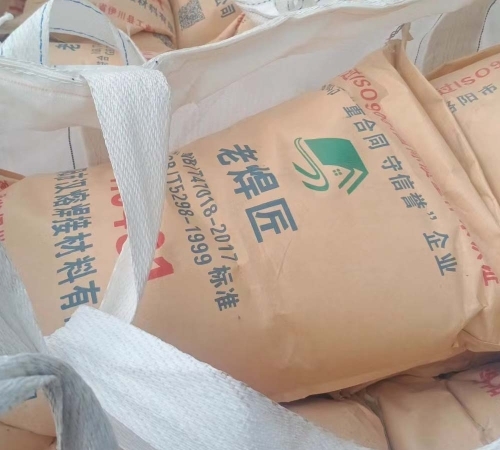
Our commitment to quality is unwavering, underscored by our ISO 9001 certification. This internationally recognized standard assures you that our production processes and quality management systems are rigorously controlled to deliver consistent product excellence. Our robust production capabilities are a testament to our capacity to meet global demand; our plant covers an area of 1000 square meters and features six production lines, capable of supplying 100 tons of product a day. This extensive capacity ensures a steady and reliable supply for your operations, minimizing lead times and inventory concerns.
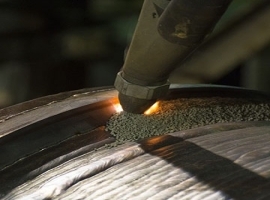
The quality of our products stems directly from the excellence of our raw materials. For our flux products, we utilize superior dolomite, bauxite, cryolite, silica, fluorine ore, and other carefully selected ores, which are then melted at an extremely high temperature of 2000 °C. This meticulous process results in welding fluxes that contribute to stable arc performance, excellent slag detachability, and superior weld metal properties, directly impacting your labor and rework costs.
Oldwelders serves a diverse global clientele, with established markets in Brazil, Thailand, Australia, and Malaysia. Our experience in these demanding industrial landscapes ensures we understand and can meet the specific requirements of various applications. We also offer flexible sourcing with a minimum order quantity (MOQ) of just 1 ton, making our high-quality products accessible for a wide range of B2B operations.
Beyond electrodes, we offer a comprehensive range of welding solutions, including advanced welding machines and other essential welding materials. Partnering with Oldwelders means choosing a supplier dedicated to your long-term success, helping you optimize your total weld costs and enhance operational efficiency.
Optimizing Your Electrode Selection for Long-Term Value
Choosing the right welding consumable is not merely a transactional decision; it is a strategic investment that impacts your company's profitability and reputation for years to come. By adopting a five-year cost analysis approach, purchasing managers can move beyond superficial unit price comparisons and delve into the true economic impact of their choices.
To optimize your selection:
- Assess Application Needs: Match electrode characteristics (e.g., tensile strength, impact toughness, positional capabilities) precisely to your specific welding applications.
- Demand Performance Data: Request technical data sheets and, if possible, performance reports for different electrode options to compare deposition efficiency, spatter levels, and mechanical properties.
- Conduct Trials: Small-scale trials with different electrodes can provide invaluable real-world data on operator preference, welding speed, and post-weld cleanup requirements.
- Partner with Experts: Collaborate with knowledgeable suppliers like Oldwelders who can offer technical advice and support in selecting the most cost-effective solution for your long-term goals.
By focusing on total cost of ownership, businesses can unlock significant savings, improve quality, and enhance productivity. Oldwelders is ready to assist you in making these strategic decisions, providing high-quality welding materials that deliver exceptional value over their entire lifecycle.