
Calculate Flux Recovery Unit Payback from Flux Savings
Optimizing Operations: Calculate the Payback of a Flux Recovery Unit from Flux Savings
In the demanding world of industrial fabrication, efficiency and cost-effectiveness are paramount. Submerged Arc Welding (SAW) is a highly productive process, but it inherently involves the consumption of significant volumes of welding flux. A substantial portion of this flux, while unused in the weld pool, can often be recovered and reused, leading to considerable material savings. For plant managers and procurement professionals, understanding the economic benefits of implementing a welding machine accessory like a Flux Recovery Unit is crucial for justifying the investment.
This article will guide you through the process of calculating the payback period for a Flux Recovery Unit, focusing specifically on the tangible savings derived from reduced flux consumption. We will explore the key variables, provide a structured approach to estimation, and highlight the broader advantages that extend beyond immediate material costs.
The Strategic Advantage of a Flux Recovery Unit
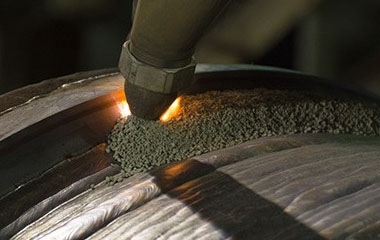
Submerged Arc Welding relies on a granular flux to shield the arc and create a protective slag. During the welding process, only a fraction of this flux melts and becomes part of the weld. The remaining unmelted flux, often contaminated with slag particles, scale, or dust, can be collected. Without a dedicated recovery system, this material is frequently discarded, representing a significant waste of resources.
A Flux Recovery Unit is designed to collect, separate, and clean this unused flux, making it suitable for reuse. This not only reduces the need to purchase new welding fluxes but also contributes to a cleaner work environment and potentially improved weld quality by removing contaminants. For businesses operating in competitive global markets, including Brazil, Thailand, Australia, and Malaysia, such operational efficiencies can provide a critical competitive edge.
Key Factors Influencing Flux Recovery Unit Payback
To accurately calculate the payback period for a Flux Recovery Unit, several critical factors must be considered. These variables directly impact both the initial investment and the ongoing savings. A thorough assessment of each factor will provide a realistic projection of financial returns.
1. Initial Investment Cost
- Equipment Purchase Price: This includes the cost of the Flux Recovery Unit itself, encompassing the vacuum system, separation mechanism, and storage hoppers.
- Installation Costs: Factor in labor, materials, and any modifications required to integrate the unit into your existing SAW setup.
- Ancillary Equipment: Consider any additional hoses, connectors, or power requirements.
- Training: Costs associated with training operators on proper use and maintenance.
2. Current Flux Consumption and Cost
- Annual Flux Purchase Volume: Determine the total tonnage or weight of welding materials, specifically flux, purchased annually.
- Average Flux Price: Calculate the average cost per unit (e.g., per kilogram or ton) for your specific type of welding flux.
- Current Disposal Costs: If you incur costs for disposing of unused flux, include these in your current operational expenses.
3. Expected Recovery Rate
The recovery rate is perhaps the most significant variable in determining savings. It represents the percentage of unused flux that can be successfully recovered and reused after processing through the unit. This rate varies based on:
- Type of Flux: Fused fluxes generally have higher recovery rates than agglomerated fluxes, as they are less prone to breaking down.
- Welding Parameters: Higher amperage or voltage can sometimes lead to more flux degradation.
- Unit Efficiency: The design and capability of the Flux Recovery Unit itself play a major role. Quality units, such as those that might be considered alongside Oldwelders' ISO 9001 certified offerings, are engineered for optimal separation and cleaning.
- Contamination Levels: The degree of slag, spatter, and dust contamination in the collected flux.
A conservative estimate for recovery rates typically ranges from 50% to 80% of the *unmelted* flux. It's important to distinguish this from the total flux purchased, as some flux is always consumed in the weld.
4. Operational Costs of the Unit
- Energy Consumption: The power required to operate the vacuum and separation motors.
- Maintenance: Regular cleaning, filter replacement, and occasional repairs.
- Labor: Time spent by operators on unit supervision, emptying collection bins, and basic maintenance.
Calculating Your Flux Recovery Unit Payback Period
The payback period is the time it takes for the cumulative cash inflows from savings to equal the initial investment. Here's a structured approach to calculate it:
Step 1: Calculate Annual Flux Savings
- Determine Annual Unused Flux:
- Start with your total annual flux purchases.
- Estimate the percentage of flux consumed in the weld (e.g., 20-30% for typical SAW processes). The remainder is unused.
- Example: If you buy 10 tons/year and 25% is consumed, 7.5 tons/year is unused.
- Calculate Recoverable Flux:
- Multiply the annual unused flux by the estimated recovery rate of the Flux Recovery Unit.
- Example: 7.5 tons unused * 70% recovery rate = 5.25 tons of recoverable flux per year.
- Calculate Monetary Flux Savings:
- Multiply the recoverable flux by the average cost per ton of new flux.
- Example: 5.25 tons * $1,500/ton = $7,875 in annual flux material savings.
- Add Disposal Cost Savings (if applicable):
- If you pay for disposing of unused flux, calculate the annual savings from reducing this waste stream.
Total Annual Flux Savings = (Monetary Flux Savings) + (Disposal Cost Savings)
Step 2: Calculate Annual Net Operational Savings
- Identify Annual Operating Costs of the Unit: Sum up energy, maintenance, and labor costs associated with the Flux Recovery Unit.
- Calculate Net Annual Savings: Subtract the unit's annual operating costs from the total annual flux savings.
Net Annual Operational Savings = (Total Annual Flux Savings) - (Annual Operating Costs of Unit)
Step 3: Calculate the Payback Period
Payback Period (Years) = (Initial Investment Cost) / (Net Annual Operational Savings)
For example, if the initial investment for a Flux Recovery Unit is $25,000 and your Net Annual Operational Savings are $10,000, the payback period would be 2.5 years.
Beyond Savings: Additional Benefits of Flux Recovery
While the primary driver for investing in a Flux Recovery Unit is typically the material cost savings, several other benefits contribute to overall operational improvement and justify the investment:
- Improved Weld Quality: By removing contaminants, the reused flux can lead to more consistent and higher-quality welds, reducing rework and scrap rates.
- Reduced Housekeeping: Less discarded flux means a cleaner workshop and reduced labor for cleanup.
- Environmental Responsibility: Reusing materials reduces waste sent to landfills, aligning with corporate sustainability goals and potentially improving your company's public image.
- Extended Equipment Life: A cleaner welding environment can reduce wear and tear on other arc welding machine components.
- Enhanced Operator Safety: Less dust and airborne particles contribute to a healthier working environment.
Why Choose Oldwelders for Your Welding Solution Needs
When considering an investment like a Flux Recovery Unit, partnering with a reliable and experienced supplier is paramount. Oldwelders stands as a professional and knowledgeable B2B provider of comprehensive welding solutions, including various welding machines, welding wires, welding rods, and, critically, high-quality welding fluxes.
Our commitment to excellence is underscored by our ISO 9001 certification, ensuring that our products and processes meet stringent international quality standards. We understand the importance of consistent performance and material integrity in applications requiring a Flux Recovery Unit.
Our capabilities are robust: our plant covers an area of 1000 square meters and is equipped with six production lines, capable of supplying up to 100 tons of welding products a day. We meticulously source excellent raw materials for our flux products, including dolomite, bauxite, cryolite, silica, and fluorine ore, which are melted at 2000 °C to achieve superior consistency and performance. This dedication to quality ensures that when you recover and reuse Oldwelders' fluxes, you maintain the high standards required for critical applications.
Oldwelders serves a diverse global clientele, with target markets spanning Brazil, Thailand, Australia, and Malaysia, among others. This international presence reflects our understanding of varied industrial demands and our capability to deliver reliable solutions worldwide. We are dedicated to helping our clients achieve optimal efficiency and cost savings through intelligent investments in their welding operations.
Conclusion
Investing in a Flux Recovery Unit represents a strategic decision that can yield substantial financial returns through direct flux savings and numerous operational benefits. By meticulously calculating the payback period based on initial investment, current flux consumption, expected recovery rates, and operational costs, plant managers can build a compelling business case for this valuable equipment.
The efficiency gained from implementing a Flux Recovery Unit not only reduces material costs but also enhances weld quality, improves workplace safety, and supports environmental sustainability. Partnering with a trusted provider like Oldwelders ensures access to the high-quality submerged arc welding flux hj431 and expertise needed to maximize the return on your investment in flux recovery technology.