
A Guide to Selecting the Right Hardfacing Electrode
Selecting the Right Hardfacing Electrode for Crusher Component Repair
In the demanding environments of quarrying, mining, and aggregate production, crusher components are subjected to relentless wear. Jaw plates, cone mantles, and impactor blow bars face a constant barrage of impact and abrasion that degrades their performance and leads to costly downtime. Proactive maintenance through weld overlaying is a critical strategy for extending the service life of these high-value parts. However, the success of this process hinges on choosing the correct consumable. Selecting the right hardfacing electrode is not just about replacing lost metal; it's a calculated engineering decision that balances hardness, toughness, and cost to maximize operational efficiency and protect your investment.
This comprehensive guide will explore the nuances of crusher wear mechanisms, detail the essential properties of wear-resistant electrodes, and provide a clear framework for matching the ideal consumable to your specific application. By understanding these principles, maintenance teams can move from simple repairs to strategic life-extension programs, significantly reducing operational costs and improving plant availability.
Understanding the Primary Crusher Wear Mechanisms
Before an electrode can be selected, one must first diagnose the precise nature of the wear. Crusher components rarely fail from a single, isolated force. Instead, they are typically subjected to a combination of wear mechanisms, with one or two being dominant. Identifying the primary cause of material loss is the first step in specifying an effective hardfacing solution.
Abrasive Wear
Abrasion is the most common wear type in crushing operations. It occurs when hard particles in the feed material slide across and cut into the surface of a component. There are two main sub-types:
- Gouging Abrasion: This is caused by large, angular rocks that exert high pressure on the surface, plowing or "gouging" out significant amounts of material. It is a common problem for primary jaw crusher plates and gyratory mantles handling large feed sizes.
- Grinding or High-Stress Abrasion: This occurs when rock is crushed between two surfaces, such as in a cone crusher or the lower sections of a jaw crusher. The fine, hard particles are ground against the wear parts under immense pressure, causing rapid material loss.
Components primarily subject to abrasion require a hardfacing deposit with a high concentration of hard phases, such as chromium carbides or tungsten carbides, to resist being cut and scratched.
Impact Wear
Impact wear results from the repeated, forceful striking of material against a component. This is most prevalent in impact crushers, where blow bars accelerate and shatter rock, but it is also a significant factor in primary jaw and gyratory crushers where large feed material is dropped into the crushing chamber. The primary failure mode from impact is not material loss from cutting, but rather cracking, spalling, or plastic deformation of the surface. A material might be extremely hard and abrasion-resistant, but if it is brittle, it will chip and fail quickly under high impact.
To combat impact, the hardfacing deposit must possess sufficient toughness—the ability to absorb energy and deform without fracturing. Austenitic manganese steels are a classic choice for buildup layers due to their exceptional work-hardening properties under impact.
Corrosion and Heat
While less dominant than abrasion and impact, corrosion and heat can accelerate wear. Some ores contain sulphides or other chemicals that, when mixed with moisture, create a corrosive environment. Furthermore, the immense friction and pressure in crushing can generate significant heat, which can soften the wear parts and make them more susceptible to abrasion. When these factors are present, the selected electrode's alloy composition must also provide resistance to chemical attack and retain its hardness at elevated temperatures.
Key Properties of a Hardfacing Electrode
A hardfacing electrode is a complex consumable engineered with a specific blend of alloys in its flux coating or core. These alloys are transferred into the weld pool to create a deposit with desired characteristics. Understanding these properties is crucial for making an informed selection.
Hardness (HRC)
Hardness, often measured on the Rockwell C scale (HRC), is the most commonly cited property. It represents a material's resistance to indentation and is a good indicator of its resistance to grinding abrasion. However, higher hardness is not always better. Extremely hard deposits (above 60 HRC) can be brittle and may fail under impact. The goal is to select a hardness level appropriate for the wear type.
Toughness and Ductility
Toughness is a material's ability to resist fracture under impact. It is a critical property for components like blow bars and primary jaw plates. A tough weld deposit can deform slightly under a heavy blow without cracking. Ductility is related, representing the ability to deform without breaking. Deposits based on austenitic manganese are renowned for their toughness.
Alloy Composition
The alloy content dictates the final properties of the weld deposit. Common alloy families in hardfacing include:
- Manganese Steels: Typically containing 12-14% manganese, these alloys are relatively soft in the as-welded state but work-harden under repeated impact to over 50 HRC. They are ideal for buildup layers on manganese base metals to restore dimensions before applying a harder cap layer.
- Chromium Carbides: These are the workhorses for abrasion resistance. The deposit consists of extremely hard chromium carbide particles embedded in a tougher matrix. They offer excellent resistance to grinding and gouging abrasion but have moderate impact resistance. Different grades offer varying balances of abrasion and impact resistance.
- Tungsten Carbides: These provide the ultimate resistance to severe grinding abrasion. The deposit consists of tungsten carbide particles in a steel matrix. They are very expensive and are typically used for highly localized protection on parts like bucket teeth or screen plates, but less often on large crusher components.
As an ISO 9001 certified manufacturer, we ensure precise control over the raw materials—such as high-quality dolomite, bauxite, and fluorine ore—that form the basis of our electrode coatings and welding fluxes. This guarantees consistent alloy transfer and predictable performance from every batch.
Matching the Hardfacing Electrode to the Application
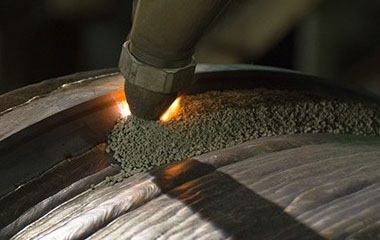
The optimal strategy often involves a multi-layer approach: a tough, crack-resistant buildup layer to restore the part to its near-original dimensions, followed by one or more hard cap layers to provide the primary wear resistance.
Jaw and Gyratory Crusher Components (Jaws, Mantles, Cones)
These components experience a severe combination of high-impact crushing and high-stress grinding abrasion.
- Buildup Layers: For a manganese steel base metal, an austenitic manganese electrode is the ideal choice. It provides a compatible, tough, and work-hardening foundation that is highly resistant to cracking and spalling.
- Cap Layers: A chromium carbide hardfacing electrode is the standard choice for the final one or two layers. Select a grade that balances toughness and abrasion resistance. An electrode that produces a deposit of 55-59 HRC is often a good compromise, providing excellent wear life without being excessively brittle.
Impact Crusher Components (Blow Bars, Impeller Bars)
Here, extreme impact is the dominant wear mechanism, combined with significant abrasion as the material shatters.
- Buildup Layers: Similar to jaw crushers, a manganese steel electrode is used on manganese base metals to restore geometry and provide a tough base.
- Cap Layers: The ideal hardfacing electrode for this application is a modified high-chromium type that is specifically alloyed for improved impact resistance. These are often referred to as "impact-resistant carbides." A standard high-abrasion chromium carbide electrode may chip and spall prematurely on a blow bar.
Chutes, Hoppers, and Grizzly Bars
These components primarily face sliding or gouging abrasion with low to moderate impact.
- Solution: A direct application of a high-chromium carbide electrode is usually sufficient. Since impact is not the primary concern, a very hard deposit (60+ HRC) can be used to maximize resistance to sliding wear. There is often no need for a manganese buildup layer unless significant metal loss needs to be restored first.
Best Practices for Hardfacing Application
Proper procedure is just as important as selecting the right consumable. A poor application technique can lead to premature failure of even the best electrode deposit.
1. Surface Preparation: The surface must be clean and free of all contaminants, grease, and fatigued or cracked metal. Use grinding or air-arc gouging to remove any damaged material before welding.
2. Pre-heating: This is critical, especially for carbon and alloy steel components (not typically for manganese steel). Pre-heating slows the cooling rate, which reduces the risk of cracking in both the base metal and the weld deposit. Consult the base metal specifications and the electrode manufacturer's recommendations for proper pre-heat temperatures.
3. Welding Parameters: Always use the parameters recommended by the electrode manufacturer. Using the correct amperage and polarity with a compatible arc welding machine ensures proper fusion and alloy transfer. Overheating the part can damage the base metal's properties.
4. Weld Bead Placement: Use stringer beads and avoid wide weaving, as excessive heat input can be detrimental. A checkerboard or skip-welding pattern is often used to distribute heat and minimize distortion and stress.
5. Post-Weld Cooling: Allow the component to cool slowly. Cover it with an insulating blanket to prevent rapid cooling, which can induce stress and cracking.
Choosing a Reliable Supplier for Welding Consumables
Your choice of supplier is an integral part of a successful hardfacing program. Consistency, availability, and technical support are paramount. When evaluating a supplier, consider their manufacturing capabilities and quality control systems. Our 1000-square-meter facility, equipped with six production lines, has a capacity of 100 tons per day, ensuring we can meet the demands of large-scale industrial projects and supply chains for our partners in markets like Brazil, Thailand, and Australia.
A reliable supplier provides more than just a product; they provide a partnership. Look for a manufacturer with stringent quality certifications, such as ISO 9001, which demonstrates a commitment to consistent product quality. Clear communication regarding logistics, such as a standard 1 ton minimum order quantity and a 30-day lead time, allows your maintenance and procurement teams to plan effectively. By partnering with a knowledgeable and capable manufacturer, you ensure that the high-quality electrode you specified is the one you receive, every single time.