
A Guide to Preventing Porosity with a Submerged Arc Welder
How to Prevent Porosity When Using a Submerged Arc Welder
Porosity is one of the most persistent and problematic defects in high-volume production welding. These small gas pockets, trapped within the solidified weld metal, can significantly compromise the structural integrity and mechanical properties of a joint. For quality teams and production managers overseeing submerged arc welding (SAW) operations, recurring porosity issues lead to costly rework, missed deadlines, and questions about process control. While the SAW process is renowned for its high deposition rates and deep penetration, it is not immune to this defect. Understanding the fundamental causes and implementing a systematic prevention strategy is crucial for maintaining quality and efficiency. This guide provides a detailed approach for troubleshooting and eliminating porosity, focusing on the three critical pillars of success: consumables, process parameters, and material preparation.
Understanding the Root Causes of Porosity in Submerged Arc Welding
At its core, porosity is the result of gas becoming trapped in the molten weld pool as it cools and solidifies. The gas simply doesn't have enough time to escape before the metal freezes around it. The primary culprits are hydrogen, nitrogen, and to a lesser extent, oxygen. The challenge is identifying how these gases are introduced into the shielded environment of the SAW process.
The main sources of contamination include:
- Moisture: This is the most common source of hydrogen. Water (H₂O) in any form—on the workpiece, in the flux, on the wire, or even in compressed air lines—dissociates in the high heat of the arc, releasing hydrogen directly into the weld pool.
- Hydrocarbons: Contaminants like oil, grease, cutting fluids, and paint are rich in hydrogen and carbon. When subjected to the arc, they break down and introduce gas into the molten metal.
- Atmospheric Contamination: While the granular flux provides a protective shield, an insufficient flux burden, high winds in field applications, or an unstable arc can allow atmospheric nitrogen and oxygen to be drawn into the weld zone.
- Base Material and Consumables: Rust (hydrated iron oxide), mill scale, and dirt on the surface of the base metal or welding wire can all introduce unwanted gases. The composition of the steel itself can also play a role.
Identifying the type of porosity can offer clues to its origin. Uniformly scattered porosity often points to a systemic issue like contaminated gas or improperly stored consumables. Linear or "wormhole" porosity, which follows the path of solidification, frequently indicates a more severe contamination problem or excessively fast cooling rates. By understanding these fundamental causes, you can begin to build a targeted strategy for prevention.
The Critical Role of Consumables in Porosity Prevention
In the SAW process, the welding flux and wire are not just materials; they are active components of the metallurgical system. Their quality and condition are paramount to achieving a sound, porosity-free weld. The flux, in particular, serves multiple functions: it shields the arc and weld pool from the atmosphere, cleanses the molten metal by reacting with impurities, and influences the final chemical composition and mechanical properties of the weld.
Selecting and Handling Welding Flux
The choice of flux is the first critical decision. Different fluxes (e.g., fused, bonded, agglomerated) have different characteristics regarding moisture absorption and cleaning action. However, even the highest quality flux will fail if handled improperly. Moisture is the primary enemy.
At Oldwelders, we understand that consistent flux quality starts at the source. Our ISO 9001 certified manufacturing process ensures that every batch meets stringent standards. Our plant, covering 1000 square meters with six dedicated production lines, has the capacity to supply 100 tons of high-purity flux per day. We begin with excellent raw materials like dolomite, bauxite, and cryolite, which are melted at 2000°C to drive off impurities and create a stable, glass-like structure that is less susceptible to moisture absorption. This commitment to quality provides a reliable foundation for your welding operations.
To maintain this quality on your production floor, follow these best practices:
- Storage: Store all welding flux in a dry, temperature-controlled environment, keeping bags sealed until ready for use. Opened bags should be stored in holding ovens at the manufacturer's recommended temperature.
- Drying and Re-baking: If flux is suspected of moisture contamination, it must be re-baked according to the manufacturer’s specifications. Never guess the temperature or time, as overheating can damage the flux.
- Flux Recovery Systems: If you use a flux recovery system, ensure it includes effective filtration to remove slag fines and contaminants. Periodically test the recycled flux for moisture and contamination.
For demanding applications, consider a specialized product like our submerged arc welding flux hj431, which is formulated for excellent weldability and slag removal, helping to create a clean weld environment.
Welding Wire Condition
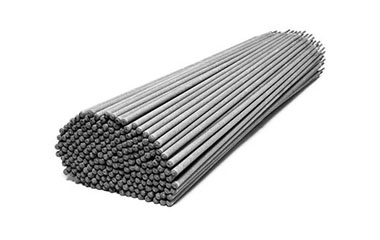
The welding wire is the other half of the consumable equation. While less prone to moisture absorption than flux, it can still be a source of contamination. Ensure that the wire is free from rust, drawing compounds, or any shop grime. Store wire in a clean, dry area and keep it covered when loaded on the machine to prevent dust and debris from settling on it.
Optimizing Your SAW Parameters and Technique
Even with perfect consumables and clean materials, incorrect process parameters can create conditions that promote porosity. The goal is to establish a stable arc and a fluid weld pool that allows sufficient time for gases to escape before solidification. Fine-tuning your welding parameters is essential.
- Voltage: Arc voltage controls the arc length. A voltage that is too high can create an excessively long, unstable arc, which may lead to atmospheric contamination. It can also increase flux consumption unnecessarily. Conversely, a voltage that is too low can result in a stubby arc and poor slag fluidity, potentially trapping impurities.
- Current: Amperage primarily controls the deposition rate and depth of penetration. While higher currents are desirable for productivity, excessively high current can cause arc blow or turbulence in the weld pool, trapping gases.
- Travel Speed: This is a critical variable. A travel speed that is too fast does not allow the weld pool to remain molten long enough for gases to escape, leading to solidification "freezing" the bubbles in place. A speed that is too slow can lead to excessive heat input, potentially causing burn-through or undesirable metallurgical changes.
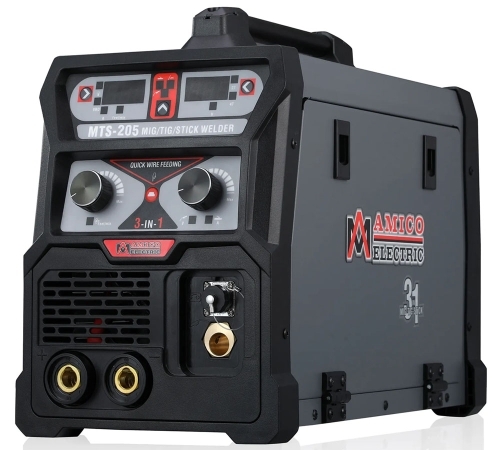
- Electrode Stick-out: The contact-tip-to-work distance (stick-out) influences the electrical resistance and preheats the wire. An inconsistent stick-out leads to an unstable arc and fluctuating current, which can disrupt the gas-slag-metal equilibrium and promote porosity. Utilizing an automatic welding machine can help maintain a consistent stick-out.
Beyond these electrical parameters, proper technique in managing the flux is crucial. The "flux burden," or the depth of the flux layer covering the arc, must be correct. Too shallow a burden will result in flashing and an inadequately shielded arc, allowing nitrogen and oxygen to enter the weld. Too deep a burden can suppress the arc and trap welding gases, preventing them from escaping. The ideal burden is just deep enough to completely cover the arc glow without being excessive.
Pre-Weld Preparation: The First Line of Defense Against Porosity
The simplest and most effective way to prevent porosity is to eliminate the source of contaminants before welding begins. No amount of parameter adjustment or flux technology can reliably compensate for a dirty workpiece. A rigorous pre-weld cleaning protocol is non-negotiable for high-quality welding.
The joint and surrounding base metal must be completely free of:
- Moisture: The workpiece should be dry and, in humid conditions or when bringing cold steel into a warm shop, preheated slightly (e.g., to 50°C) to drive off any surface condensation.
- Rust and Mill Scale: These are oxides that can break down in the arc and release oxygen. They must be removed mechanically through grinding, shot blasting, or aggressive wire brushing.
- Oils, Grease, and Paint: These hydrocarbon-based contaminants are a primary source of hydrogen. They must be removed using appropriate degreasers or solvents. Ensure the solvent has fully evaporated before starting the arc.
This commitment to process control is a core principle of quality management systems like ISO 9001. By treating pre-weld cleaning as a critical control point, you establish a robust foundation for preventing defects downstream. This proactive approach is far more cost-effective than reactive repairs and rework.
Advanced Troubleshooting and Supplier Partnership
When porosity issues persist despite addressing the fundamentals, a more in-depth investigation is required. This involves examining the entire welding ecosystem, from material sourcing to post-weld inspection. Partnering with a knowledgeable supplier who understands these complexities is a significant advantage.
At Oldwelders, we have experience supporting clients in diverse global markets, from Brazil to Thailand and Australia. We understand how different environmental conditions, steel chemistries, and production demands can impact weld quality. This experience allows us to provide not just high-quality welding materials, but also the technical support to help you solve tough challenges. Our minimum order quantity of 1 ton and standard 30-day lead time are designed to support industrial-scale operations and ensure you have the certified materials you need to maintain production schedules.
Consider these advanced steps:
- Analyze the Gas Supply: If using compressed air for a flux recovery system, check for oil and water in the lines by blowing air against a clean cloth. Install and maintain proper filters and dryers.
- Evaluate Base Material Chemistry: Certain elements in steel, like sulfur, can increase the risk of porosity. If you consistently have problems with a particular batch of steel, a material analysis may be warranted.
- Implement Regular Audits: Periodically audit your entire SAW process, from material receiving and storage to pre-weld cleaning and parameter settings. This helps catch procedural drift before it becomes a quality issue.
Ultimately, preventing porosity with a submerged arc welder is not about a single magic bullet. It is about a disciplined, systematic approach that addresses every variable: the cleanliness of the material, the quality and condition of the consumables, and the precision of the process parameters. By controlling these factors, you can leverage the full productivity of the SAW process while ensuring the highest level of weld integrity.