
A Guide to Choosing an Automatic SAW Machine for Pipe
How to Select the Ideal Automatic SAW Machine for Your Pipe Fabrication Needs
Selecting the right equipment is a critical decision for any pipe fabrication facility aiming to enhance productivity, ensure weld quality, and maintain a competitive edge. Submerged Arc Welding (SAW) is a high-deposition process renowned for its efficiency and ability to produce consistent, high-quality welds, making it a cornerstone of modern pipe manufacturing and construction. An Automatic SAW Machine automates this process, delivering unparalleled precision and speed for both longitudinal and circumferential seams. However, with numerous configurations and specifications available, choosing the optimal system requires a thorough evaluation of your specific application requirements, production goals, and operational environment.
This comprehensive guide is designed for fabrication managers, welding engineers, and procurement specialists. It will walk you through the essential factors to consider when investing in an automated SAW system for pipe welding, from core components and technical specifications to supplier capabilities. By understanding these key elements, you can make an informed decision that aligns with your long-term production strategy and ensures a significant return on investment.
Understanding the Core Components of a Pipe SAW System
An automated SAW system is more than just a power source; it's an integrated solution comprising several critical components that must work in harmony. Understanding the function of each part is the first step in specifying a machine that fits your workflow.
Power Source and Control System
The power source is the heart of the welding system. For SAW, constant voltage (CV) or constant current (CC) power sources are used, with modern inverter-based units offering superior arc control, energy efficiency, and a smaller footprint. The control system is the brain, integrating the power source with the mechanical components. Advanced controllers provide precise regulation of welding parameters such as voltage, amperage, and travel speed. Look for systems with user-friendly interfaces, programmable weld procedures, and data-logging capabilities to ensure process repeatability and quality control.
Welding Head and Wire Feeder
The welding head holds the welding torch and delivers the electrode wire to the weld joint. Its design determines the system's versatility. Key features to evaluate include the ability to adjust the torch angle and stick-out. The wire feeding system must be robust and reliable, capable of consistently feeding large-diameter wires without slipping or kinking. For high-productivity applications, consider systems that support tandem or multi-wire configurations, which can dramatically increase deposition rates.
Flux Handling and Recovery System
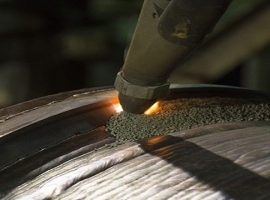
The granular flux is what shields the arc and molten weld pool in the SAW process. An efficient flux handling system is crucial for continuous operation and cost management. This typically includes a flux hopper mounted on the welding head and a delivery system to deposit a continuous layer of flux over the joint. More importantly, a flux recovery system—often vacuum-based—is essential. It collects unfused flux, separates it from slag, and returns it to the hopper for reuse. This not only reduces consumable costs but also improves the workshop environment by minimizing dust.
Pipe Rotation and Positioning Equipment
For circumferential welds, the pipe itself must be rotated with precision. This is accomplished using turning rolls or positioners. These devices must be sized correctly to handle the maximum diameter and weight of your pipes. The rotation speed must be precisely controlled and synchronized with the welding parameters to achieve a consistent travel speed. For longitudinal seams, the welding head typically moves along a beam or gantry system while the pipe remains stationary. The choice between these systems depends entirely on the primary type of welds you will be performing.
Key Technical Specifications to Evaluate for Pipe Welding
Once you understand the basic components, the next step is to dive into the technical specifications. These numbers will determine the machine's capability and suitability for your specific pipe dimensions and materials.
Pipe Diameter and Wall Thickness Range
This is the most fundamental consideration. The machine's physical structure, including the boom reach, column height, and the capacity of the pipe rotators, must accommodate the full range of pipe diameters your facility handles. Similarly, the power source's amperage rating and the system's overall design must be capable of penetrating the thickest wall sections you work with. A system designed for 12-inch diameter, 0.5-inch wall pipe will be inadequate for 48-inch diameter, 2-inch wall pipe. Define your current and future needs clearly before evaluating any equipment.
Welding Speed and Deposition Rate
Productivity is often measured by welding speed (inches per minute) and deposition rate (pounds per hour). These figures are influenced by welding current, wire diameter, and the number of welding arcs (single-wire vs. tandem-wire). An Automatic SAW Machine is chosen for its ability to deposit large amounts of filler metal quickly. Request deposition rate charts from potential suppliers for the materials and wire sizes you plan to use. This data will help you accurately forecast production output and project cycle times.
Duty Cycle and Power Requirements
The duty cycle is the percentage of a 10-minute period that a machine can operate at its rated output without overheating. For automated, long-seam applications, a high duty cycle (80-100%) is non-negotiable. A lower duty cycle will lead to forced downtime and reduced productivity. Also, confirm the machine's input power requirements (voltage, phase, and amperage) to ensure your facility's electrical infrastructure can support it without costly upgrades.
Matching the Machine Configuration to Your Application
Automated SAW systems are not one-size-fits-all. The configuration must be tailored to the specific type of pipe and welding joint. This is where a partnership with a knowledgeable supplier becomes invaluable.
Longitudinal vs. Circumferential Seams
The primary orientation of your welds dictates the machine's overall design.
- For longitudinal seams (common in pipe manufacturing), a "seamer" or a column-and-boom manipulator with a long travel car is typically used. The welding head moves linearly along the pipe.
- For circumferential seams (joining pipe sections), a column-and-boom manipulator paired with turning rolls is the standard configuration. The welding head remains stationary while the pipe rotates beneath it.
Single-Wire vs. Multi-Wire Setups
The number of electrodes used simultaneously has a massive impact on productivity.
- Single-Wire SAW: The simplest configuration, suitable for a wide range of thicknesses and applications. It offers excellent control and is easier to set up.
- Tandem SAW (Two-Wire): Uses two separate wires and power sources with the arcs in close proximity. This can increase deposition rates by 50-100% over a single-wire setup, making it ideal for thick-walled pipes.
- Multi-Wire SAW (Three or more wires): Used for extremely high-productivity environments like large-diameter pipe mills. These are highly specialized systems requiring significant investment and expertise.
Evaluating Supplier Capability and Support
The machine itself is only part of the equation. The manufacturer or supplier you choose will be your partner for the life of the equipment. Their expertise, reliability, and support are just as important as the hardware.
Quality Certifications and Manufacturing Standards
A supplier's commitment to quality is a strong indicator of the equipment's reliability. Look for manufacturers with internationally recognized certifications. For instance, at Oldwelders, our operations are ISO 9001 certified, ensuring that every component and system we produce adheres to strict, documented quality management standards. This commitment extends from our advanced arc welding machine technology to our consumables, providing you with confidence in the performance and longevity of your investment.
Consumables Supply and Compatibility
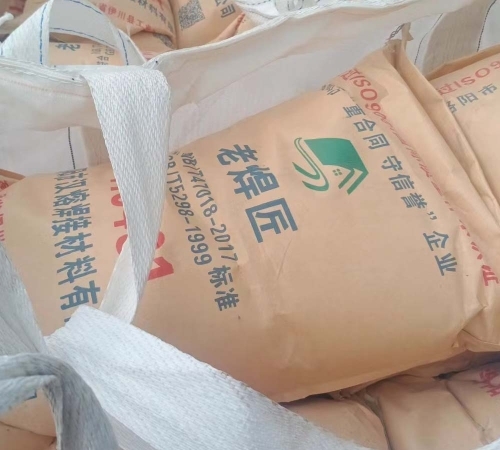
An automated system consumes large quantities of welding wire and flux. Your supplier should be able to provide a consistent, high-quality supply of these materials. At Oldwelders, we not only manufacture welding equipment but also operate a 1000 square meter plant dedicated to producing premium welding fluxes. With six production lines capable of supplying 100 tons per day, we ensure our partners never face a production bottleneck due to a lack of compatible, high-performance consumables like our submerged arc welding flux hj431. A reliable supply chain for these critical materials is essential for maintaining your production schedule.
Lead Time, Installation, and After-Sales Service
Understand the supplier's standard lead times and how they align with your project timeline. At Oldwelders, we maintain a standard lead time of 30 days for many of our systems, allowing for efficient project planning. Inquire about their installation support, operator training programs, and the availability of technical support and spare parts. A strong after-sales support network is crucial for minimizing downtime. We have extensive experience supporting industrial clients in diverse markets, including Brazil, Thailand, Australia, and Malaysia, demonstrating our capability to deliver and support equipment globally.
Choosing the right Automatic SAW Machine is a strategic investment that can transform your pipe fabrication capabilities. By carefully analyzing your application needs, evaluating technical specifications, and selecting a knowledgeable and reliable supplier, you can acquire a system that delivers consistent quality, boosts productivity, and provides a strong foundation for future growth.