
Which Welding Flux Exporter Fits Your Import Route?
How to Select a Welding Flux Exporter for Your Global Supply Chain
For procurement managers in heavy industry, construction, and manufacturing, sourcing welding consumables is a critical task. The integrity of every weld depends on the quality of the materials used. When sourcing internationally, the challenge multiplies. Finding the right welding flux exporter is not merely a matter of comparing prices; it involves a deep evaluation of production capacity, quality assurance, and logistical expertise. An ideal partner understands the nuances of your specific import route and can deliver consistently, ensuring your production lines never falter.
This guide outlines the essential criteria for shortlisting and selecting an export-ready flux manufacturer. We will explore how to assess a supplier's capabilities beyond their product specifications, focusing on the operational strengths that ensure a smooth and reliable cross-border partnership. From factory floor to final port, every step matters in building a resilient supply chain.
Evaluating Production Capacity and Scalability
Before committing to an international supplier, you must have complete confidence in their ability to meet your demand, both now and in the future. A supplier's production capacity is a direct indicator of their reliability, especially for large-scale projects or ongoing industrial needs. A low-capacity manufacturer may offer an attractive initial price but can become a bottleneck, causing costly delays if they cannot scale with your orders.
Key metrics to investigate include:
- Factory Infrastructure: Look for concrete details about the supplier's plant. What is the total area of their facility? How many production lines are operational? At Oldwelders, our plant covers an area of 1000 square meters and is equipped with six dedicated production lines. This infrastructure is designed for high-volume, continuous manufacturing.
- Daily Output: Ask for specific figures on production volume. A transparent supplier will be able to provide this data. Our facility, for example, can supply up to 100 tons of welding flux per day, a capacity that provides a significant buffer for even the largest international orders. This ensures that we can maintain our standard 30-day lead time without compromising quality.
- Minimum Order Quantity (MOQ): While high capacity is crucial, flexibility is also important. A reasonable MOQ indicates that the exporter is willing to build a relationship and can service a range of clients. Our MOQ is set at 1 ton, allowing new partners to place initial orders for testing and qualification without a massive upfront commitment.
An exporter with a robust and transparent production system demonstrates a serious commitment to the global market. They have invested in the infrastructure necessary to be a dependable link in your supply chain, capable of handling fluctuating demand and complex order schedules.
Quality Assurance from Raw Material to Final Product
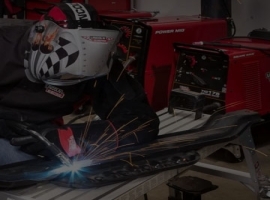
The performance of welding flux is directly tied to its chemical composition and physical properties. In submerged arc welding (SAW), the flux's role is multifaceted: it stabilizes the arc, shapes the weld bead, and protects the molten weld pool from atmospheric contamination. Inconsistencies in flux quality can lead to weld defects such as porosity, cracking, and poor mechanical properties, compromising the structural integrity of the final product.
A premier welding flux exporter will have a multi-layered quality assurance program. This begins long before the manufacturing process itself.
Raw Material Purity
The foundation of high-performance flux is the quality of its raw materials. Inquire about the source and grade of the minerals used. Our flux products are formulated from excellent-quality raw materials, including dolomite, bauxite, cryolite, silica, and fluorine ore. These carefully selected ores are melted at extremely high temperatures of 2000 °C to ensure homogeneity and purity, removing volatile impurities and creating a stable, glassy structure. This meticulous process is essential for producing fluxes that deliver consistent metallurgical performance.
Certifications and Compliance
International certifications are a non-negotiable proof of a manufacturer's commitment to quality. ISO 9001 certification, for instance, demonstrates that the supplier has implemented a rigorous quality management system covering all aspects of their operations, from documentation to production and delivery. As an ISO 9001 certified company, Oldwelders adheres to globally recognized standards, providing our clients with documented assurance of product consistency and reliability. When you source from a certified partner, you are mitigating risk and ensuring that every batch of welding fluxes meets a defined quality benchmark.
Beyond general certifications, ask if their products, such as a specific submerged arc welding flux hj431, meet industry-specific standards like those from the American Welding Society (AWS).
Logistics and Packaging for International Shipping Routes
A product is only as good as its condition upon arrival. Welding flux is hygroscopic, meaning it readily absorbs moisture from the atmosphere. Moisture in the flux is a primary cause of hydrogen-induced cracking in welds, a critical and often undetectable defect. Therefore, the exporter's packaging and logistical capabilities are as important as their manufacturing process, especially for long sea voyages.
When assessing a potential welding flux exporter, consider their experience with your specific region. Different trade routes present unique challenges, from climate variations to customs procedures. A supplier with a proven track record of shipping to your area will have already navigated these complexities.
Key logistical considerations include:
- Moisture-Proof Packaging: Standard packaging may not be sufficient for sea freight, where containers can be exposed to high humidity for weeks. Inquire about multi-layer, waterproof packaging options designed to protect the product's integrity from the factory to your warehouse.
- Durable and Secure Transport: Palletizing, shrink-wrapping, and proper container loading are essential to prevent damage during transit. An experienced exporter will ensure that goods are packed securely to withstand the rigors of handling at multiple ports.
- Documentation and Customs Expertise: Every country has its own import regulations. A competent exporter will manage all necessary documentation, including the Bill of Lading, Certificate of Origin, packing lists, and commercial invoices, ensuring a smooth customs clearance process.
Our experience in serving diverse markets—including Brazil, Thailand, Australia, and Malaysia—has equipped us with the logistical knowledge to manage these variables effectively. We understand the specific packaging and documentation requirements for these routes, minimizing the risk of delays and ensuring your order arrives in perfect condition.
Technical Support and Product Range Compatibility
Your relationship with a supplier shouldn't end once the invoice is paid. A true partner provides ongoing technical support and offers a comprehensive product range that supports all your welding operations. The ideal welding flux exporter functions as an extension of your own technical team, offering expertise to help you optimize your processes and troubleshoot any challenges.
Before finalizing a supplier, ask about their technical support capabilities. Do they have engineers or welding specialists on staff who can answer questions about flux-wire combinations, parameter settings, or application-specific problems? A knowledgeable supplier can provide invaluable guidance that enhances your operational efficiency and weld quality.
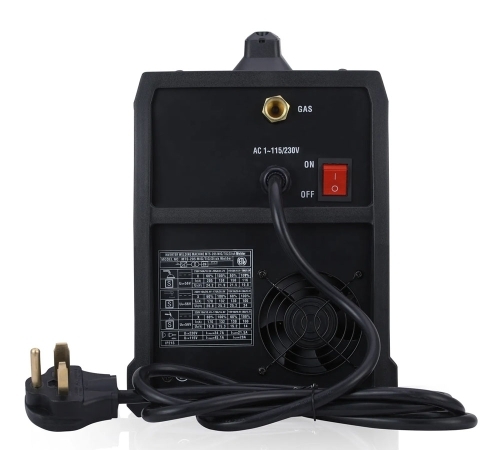
Furthermore, consider the breadth of their product portfolio. Sourcing multiple consumables from a single, trusted supplier can streamline your procurement process significantly. A manufacturer that offers a complete ecosystem of products—from flux and wires to a full range of welding machine models—demonstrates a deep understanding of the entire welding system. This allows you to source a complete, compatible package of welding materials and equipment, ensuring that all components work together seamlessly for optimal performance.
Partnering with a Reliable Global Supplier
Choosing the right welding flux exporter is a strategic decision that impacts your production quality, operational efficiency, and bottom line. It requires looking beyond the product and assessing the manufacturer's core strengths in production, quality control, and logistics.
By focusing on verified production capacity, demanding proof of quality through certifications like ISO 9001, scrutinizing their logistical experience for your specific import route, and confirming the availability of technical support, you can build a resilient and reliable international supply chain. An established partner with a high-capacity facility, a commitment to pure raw materials, and proven experience in global markets like Brazil, Thailand, Australia, and Malaysia is positioned to deliver not just a product, but a complete and dependable solution for your most critical welding applications.