
Welding Flux Exporter: Total Import Cost Insights
Navigating Global Welding Flux Export: Understanding Your Total Import Costs
For businesses engaged in manufacturing and fabrication, securing a reliable supply of high-quality welding fluxes is paramount. When considering international procurement, the process extends far beyond the quoted ex-works price. Understanding the complete cost structure—including duties, freight, and minimum order quantities (MOQs)—is critical for accurate budgeting and strategic purchasing. As a leading global welding flux exporter, Oldwelders is dedicated to providing transparency and value, ensuring our partners receive not only superior products but also a clear understanding of their total landed costs.
Oldwelders operates as an ISO 9001 certified manufacturer, a testament to our commitment to stringent quality management and consistent product excellence. Our extensive facility, covering an area of 1000 square meters, houses six advanced production lines. This robust infrastructure enables us to supply up to 100 tons of high-grade welding flux daily, meeting the demands of large-scale industrial operations across diverse markets, including Brazil, Thailand, Australia, and Malaysia.
The Essential Role of a Qualified Welding Flux Exporter
Choosing the right welding flux exporter is more than just selecting a supplier; it’s about establishing a partnership that ensures quality, reliability, and cost-effectiveness. A reputable exporter acts as a crucial link in your supply chain, guaranteeing that the materials you receive meet international standards and arrive efficiently. For Oldwelders, this commitment begins with our raw materials. We utilize excellent dolomite, bauxite, cryolite, silica, fluorine ore, and other carefully selected ores, which are melted at precise temperatures of 2000 °C to produce fluxes of exceptional purity and performance.
Our expertise as a welding materials specialist extends beyond just the product. We understand the complexities of international trade, including customs regulations, shipping logistics, and varying market requirements. This comprehensive knowledge allows us to streamline the export process, minimizing potential delays and unexpected costs for our clients. Whether you require standard formulations like submerged arc welding flux hj431 or specific grades for specialized applications, our production capabilities are designed to cater to a broad spectrum of industrial needs.
Understanding Ex-Works vs. Total Landed Cost for Welding Flux
When comparing quotes from various welding flux exporters, it is vital to differentiate between the ex-works price and the total landed cost. The ex-works (EXW) price represents the cost of the product at the seller's factory gate, excluding any transportation or additional charges. While this might appear to be the lowest initial figure, it rarely reflects the final expenditure for the buyer. The total landed cost, on the other hand, encompasses all expenses incurred to bring the product from the exporter’s facility to your designated receiving point. This includes the product cost, transportation, insurance, customs duties, taxes, and any other associated fees.
Many businesses overlook these additional costs, leading to budget overruns and procurement inefficiencies. A transparent welding flux exporter will help you calculate these figures accurately, providing a comprehensive quote that details each component. At Oldwelders, we believe in full disclosure, empowering our clients to make informed decisions. Our minimum order quantity (MOQ) of 1 ton for welding fluxes is designed to be accessible for industrial buyers while still allowing for efficient bulk shipping, optimizing the cost-per-unit when factoring in freight and duties.
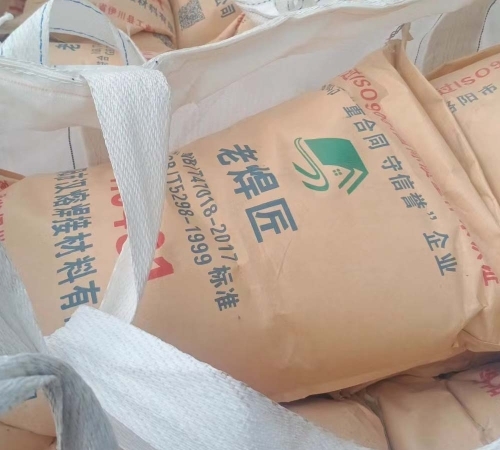
Key Cost Drivers: Freight, Duties, and Logistics for Bulk Welding Flux Imports
Several factors significantly influence the total landed cost of imported welding fluxes. Understanding these key cost drivers is essential for any business planning to purchase in bulk from a global welding flux exporter.
Freight Charges: Shipping Your Welding Flux Efficiently
Freight costs are often the most substantial addition to the ex-works price. These charges depend on various elements:
- Mode of Transport: Sea freight is typically the most economical option for bulk welding flux, especially for heavy and non-perishable goods. Air freight is faster but considerably more expensive and generally reserved for urgent, smaller shipments.
- Distance and Route: The geographical distance between the exporter's facility and your destination, along with the specific shipping lanes and potential transit points, will impact costs.
- Volume and Weight: Freight charges are calculated based on either the volumetric weight or the actual weight of the cargo, whichever is greater. Our production capacity of 100 tons per day allows for flexible order sizes, helping optimize container utilization for cost-effective bulk shipments.
- Fuel Surcharges: These fluctuating charges are added by carriers to account for changes in fuel prices.
- Port Charges: These include terminal handling charges, documentation fees, and other costs associated with loading and unloading at both the origin and destination ports.
Working with an experienced welding flux exporter like Oldwelders means partnering with a company that has established relationships with global logistics providers, allowing us to negotiate competitive freight rates and manage complex shipping schedules.
Customs Duties and Taxes: Navigating International Trade Regulations
Import duties and taxes are mandatory levies imposed by the destination country's government on imported goods. These vary significantly based on:
- Harmonized System (HS) Code: Every product has a specific HS code that determines its duty rate. Welding fluxes fall under specific classifications, and accurately identifying this code is crucial for calculating the correct duty.
- Country of Origin and Destination: Bilateral trade agreements or preferential tariffs between the exporting and importing countries can influence duty rates. For instance, an importer in Malaysia or Brazil might benefit from different tariff structures compared to one in Australia or Thailand.
- Valuation Method: Duties are typically calculated as a percentage of the declared value of the goods, which might be the EXW price, FOB (Free On Board) value, or CIF (Cost, Insurance, and Freight) value.
- Local Taxes: Beyond import duties, local taxes such as Value Added Tax (VAT) or Goods and Services Tax (GST) may apply upon entry into the country.
A knowledgeable welding flux exporter will provide assistance in understanding these regulations, ensuring all necessary documentation is prepared correctly to avoid delays and financial penalties at customs.
Logistics and Ancillary Costs: The Hidden Expenses
Beyond freight and duties, several other logistical costs contribute to the total landed price:
- Insurance: Cargo insurance protects your investment against loss or damage during transit. While optional, it is highly recommended for bulk international shipments.
- Documentation Fees: Various certificates, permits, and declarations are often required for international shipping, each incurring a fee.
- Warehousing and Storage: If goods are not immediately picked up from the port, storage fees may apply.
- Inland Transportation: The cost of transporting the goods from the destination port to your final facility.
- Banking and Payment Fees: International wire transfers and currency conversion can incur additional charges.
Optimizing Your Procurement with a Reliable Welding Flux Exporter
To effectively manage procurement costs and ensure a steady supply of quality welding fluxes, partnering with a reliable and transparent welding flux exporter is indispensable. Oldwelders offers several advantages designed to optimize your import budget and operational efficiency:
- Consistent Quality: Our ISO 9001 certification and rigorous manufacturing processes, from the careful selection of dolomite and bauxite to melting at 2000 °C, guarantee that every batch of welding flux meets the highest performance standards. This consistency reduces rework and ensures predictable results in your welding applications, whether you use a welding machine or need specific mig-mag-tig welding machine compatibility.
- Scalable Production: With six production lines capable of supplying 100 tons daily from our 1000 square meter plant, we can handle substantial orders, ensuring that your bulk requirements are met without compromising lead times. Our 1-ton MOQ also provides flexibility for various project scales.
- Global Reach and Experience: Our established presence in markets like Brazil, Thailand, Australia, and Malaysia demonstrates our capability to manage diverse international logistics and regulatory landscapes. We understand the nuances of exporting to these regions, facilitating smoother transactions for our partners.
- Technical Support: Beyond supplying products, we offer technical expertise to help you select the most appropriate welding flux for your specific applications, ensuring optimal performance and cost-efficiency. This includes guidance on our range of electrode and solid wire products.
- Transparent Pricing: We provide detailed quotations that break down all relevant costs, allowing you to accurately calculate your total landed cost and avoid unforeseen expenses. This transparency is crucial for building long-term, trust-based relationships.
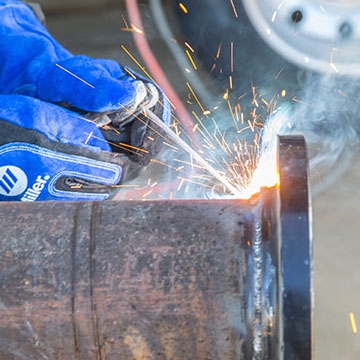
Oldwelders: Your Trusted Source for High-Quality Welding Fluxes
In the competitive global market, choosing a welding flux exporter that combines manufacturing prowess with logistical expertise is key to successful international procurement. Oldwelders stands out as a partner committed to delivering not just a product, but a complete solution tailored to your importing needs. Our adherence to ISO 9001 standards, robust production capabilities, and deep understanding of global trade dynamics position us as an ideal supplier for businesses seeking to optimize their bulk welding flux purchases.
By focusing on quality raw materials melted at 2000 °C, offering a manageable 1-ton MOQ, and consistently producing up to 100 tons per day from our state-of-the-art facility, we empower our clients to secure their supply chain with confidence. We invite you to experience the Oldwelders difference—a partnership built on quality, transparency, and efficiency—for all your welding flux requirements.