
Optimize SAW: Proper Flux Recovery Unit Sizing
Optimizing Submerged Arc Welding: Why Proper Vacuum Sizing for Your Flux Recovery Unit is Essential
Submerged Arc Welding (SAW) is a highly efficient process renowned for its speed, deep penetration, and high-quality welds. However, the success and cost-effectiveness of SAW operations heavily depend on managing one crucial consumable: welding flux. A significant amount of unused or spent flux is generated during the welding process, often leading to considerable waste if not properly handled. For process engineers and SAW operators looking to enhance operational efficiency and reduce material costs, investing in a high-quality Flux Recovery Unit is not just an option, but a strategic necessity.
At Oldwelders, we understand the intricacies of welding operations and the importance of maximizing resource utilization. Our commitment, evidenced by our ISO 9001 certification, ensures that our equipment and materials meet stringent quality standards, providing reliable solutions for your industrial needs.
The Role of a Flux Recovery Unit in SAW Efficiency
A Flux Recovery Unit is designed to collect, separate, and return reusable flux to the welding hopper, drastically minimizing waste and lowering operational expenses. This system typically consists of a vacuum generator, a collection hopper, and a filtration mechanism. As the welding operation progresses, the unit vacuums up the excess flux, separating it from slag, dust, and other contaminants. The cleaned, reusable flux is then returned to the welding process, while impurities are discarded.
The benefits of integrating a well-chosen Flux Recovery Unit significantly impact not only cost savings but also weld quality and environmental performance. By ensuring a consistent supply of clean flux, the unit helps maintain stable arc conditions, preventing porosity and other weld defects that can arise from contaminated flux. This leads to fewer reworks, higher productivity, and ultimately, a more profitable operation.
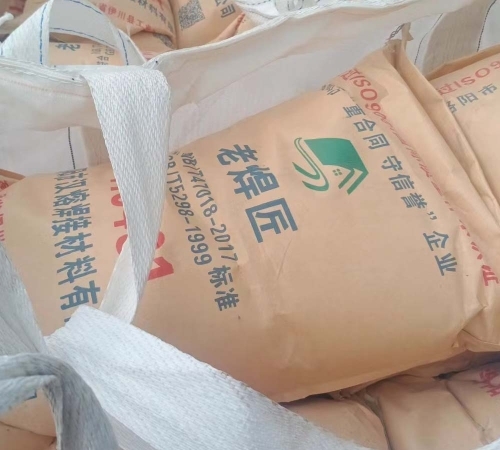
Moreover, the use of a recovery system aligns with sustainable manufacturing practices by reducing the consumption of raw materials and minimizing industrial waste. Our own production of welding fluxes, for instance, emphasizes quality, crafted from excellent dolomite, bauxite, cryolite, silica, and fluorine ore, melted at 2000 °C. Recovering these valuable materials makes economic and ecological sense for any serious welding facility.
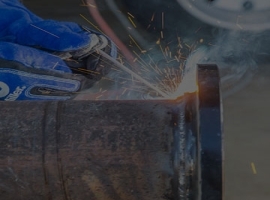
Understanding Vacuum Sizing for Your Flux Recovery Unit
The effectiveness of a Flux Recovery Unit hinges critically on its vacuum sizing. "Sizing" refers to matching the unit's capacity and specifications to the specific demands of your welding application. An improperly sized unit can lead to inefficient flux recovery, frequent maintenance, or even damage to the equipment, negating the very benefits it's supposed to provide.
Why Proper Sizing Matters
- Too Small: A unit with insufficient vacuum power or collection capacity will struggle to keep up with the rate of flux deposition. This results in incomplete recovery, leaving valuable flux on the workpiece or shop floor, and potentially contaminating the welding area. It can also lead to premature wear of the unit's components due to continuous overexertion.
- Too Large: While seemingly harmless, an oversized unit can be an unnecessary capital expenditure. It consumes more power than required, leading to higher operational costs without providing additional tangible benefits in recovery efficiency. Furthermore, an excessively powerful vacuum might inadvertently pick up finer, desirable particles along with impurities, impacting the flux consistency if not properly filtered.
Key Factors Influencing Sizing
To determine the optimal sizing for your unit, several operational parameters must be carefully evaluated:
- Welding Current and Amperage: Higher welding currents typically generate more slag and require a faster rate of flux recovery. The vacuum system must have adequate airflow (CFM or m³/h) and static pressure (inches of water or kPa) to effectively lift and transport this volume of material.
- Workpiece Size and Configuration: The geometry and size of the component being welded influence how flux is spread and collected. Larger or more complex workpieces might require a unit with greater reach or specialized nozzles to ensure comprehensive recovery.
- Production Volume and Duty Cycle: Facilities with continuous, high-volume production will need a robust unit capable of sustained operation without overheating or loss of suction. Consider the hopper capacity and the frequency with which it needs to be emptied or returned to the welding process.
- Type of Flux: Different types of welding fluxes have varying densities and particle sizes. Granular fluxes might require different vacuum characteristics than finer, powdered fluxes to ensure efficient separation and transport.
- Distance and Vertical Lift: If the recovery unit is situated far from the welding station or requires lifting flux over significant vertical distances, a more powerful vacuum motor and a well-designed hose system will be essential to overcome frictional losses.
Proper vacuum sizing ensures that the unit can efficiently handle the specific demands of your SAW process, leading to maximum flux recovery, extended equipment lifespan, and consistent weld quality. For a comprehensive range of welding machine options that integrate seamlessly with recovery systems, explore our offerings that cater to various industrial requirements.
Technical Considerations for Selecting Your Flux Recovery Unit
Beyond basic sizing, a deeper dive into the technical specifications of a Flux Recovery Unit is crucial for optimizing its performance and ensuring longevity. Understanding these elements will help you make an informed decision tailored to your specific operational environment.
Vacuum Pressure and Flow Rate
These are the two most critical metrics. Flow rate (often measured in Cubic Feet per Minute - CFM or cubic meters per hour - m³/h) determines the volume of air the unit can move, directly impacting how quickly it can collect flux. Vacuum pressure (measured in inches of water – "H₂O or kilopascals – kPa) indicates the suction strength, essential for lifting heavier flux particles and overcoming resistance in hoses and filters. A balanced combination, appropriate for the flux type and volume, is key.
Filtration Systems
Effective filtration is paramount for separating reusable flux from contaminants. Common systems include:
- Cyclone Separators: These use centrifugal force to separate larger, heavier particles from the air stream before they reach finer filters, protecting subsequent stages and extending filter life.
- Bag Filters (Cartridge Filters): These provide a finer level of filtration, capturing dust, fine particles, and other impurities. The material and surface area of these filters are critical for maintaining airflow and preventing clogging. Many modern units incorporate automatic filter cleaning mechanisms (e.g., reverse pulse jet) to ensure continuous operation.
Hopper Capacity and Collection Methods
The capacity of the collection hopper dictates how much recovered flux can be stored before it needs to be returned to the welding process. For high-volume operations, a larger hopper minimizes interruptions. Consider units with easy-to-empty hoppers or those that can automatically feed recovered flux back into the welding head, streamlining your workflow. Our plant, covering an area of 1000 square meters and featuring six production lines, emphasizes efficient material handling, reflecting our understanding of industrial scale operations.
Material Compatibility and Durability
Welding fluxes are often abrasive. The internal components of the recovery unit, including hoses, nozzles, and the vacuum impeller, must be constructed from durable, wear-resistant materials to withstand constant exposure to abrasive particles. Look for units with robust construction and easily replaceable wear parts to ensure a long operational life. With a daily capacity of 100 tons, our production facility is built for robust, continuous output, mirroring the durability we expect from our equipment.
Power Requirements and Control Systems
Ensure the unit's power requirements align with your facility's electrical infrastructure. Modern units often come with sophisticated control systems, including variable speed drives, pressure sensors, and automated sequences, which can further optimize energy consumption and recovery efficiency.
Maximizing ROI and Sustainability with the Right Unit
Investing in the correct Flux Recovery Unit is a decision that pays dividends in both immediate financial returns and long-term sustainability. By significantly reducing flux consumption, businesses can achieve substantial savings on material costs, which are a major component of SAW operational expenses. Beyond the direct savings, improved weld quality from clean, recycled flux reduces rework, increasing overall productivity and profitability.
The environmental advantages are equally compelling. Less flux waste means a smaller ecological footprint, aligning your operations with global sustainability goals. This not only enhances your company's reputation but can also lead to compliance with environmental regulations and potentially lower waste disposal costs.
Oldwelders is proud to support industries across various target markets, including Brazil, Thailand, Australia, and Malaysia, with high-quality welding solutions. We understand that every operation is unique, and our expertise helps clients select the optimal equipment for their specific needs. Our flexible ordering options, including accommodating orders as small as 1 ton for certain products, combined with typical lead times around 30 days, ensure that businesses of all sizes can access the technology they need to thrive. From welding accessories to complete systems, we provide comprehensive solutions.
In conclusion, the proper vacuum sizing of a flux recovery unit is not merely a technical detail; it is a fundamental aspect of optimizing your Submerged Arc Welding process. By carefully considering your operational parameters and selecting a unit that matches these requirements, you unlock significant cost savings, improve weld quality, and contribute to a more sustainable manufacturing future. Partner with a knowledgeable provider like Oldwelders to ensure your investment in a flux recovery system yields the maximum possible return.