
Match Cryolite Powder Grade to Abrasive Wheel Bonds
How to Match Cryolite Powder Grade to Your Abrasive Wheel Bonds
For formulation teams and procurement managers in the abrasives industry, selecting the right active filler is a critical decision that directly impacts wheel performance, lifespan, and the quality of the finished workpiece. Among the most effective active fillers, cryolite stands out for its unique thermochemical properties. However, not all cryolite is created equal. The success of your abrasive product hinges on meticulously matching the specific grade of Cryolite Powder to the bond system you employ. This guide provides the technical insights needed to navigate these specifications for superior abrasive wheel production.
Understanding the nuances between grades—from particle size and purity to molecular ratio—empowers you to move beyond a generic specification. It allows you to source a material that enhances, rather than compromises, your bond's integrity and the wheel's grinding efficiency. Whether you are working with resinoid, vitrified, or other bonding agents, the right cryolite selection is a cornerstone of high-performance abrasives.
Understanding the Role of Cryolite in Abrasive Performance
Cryolite, a sodium aluminum fluoride compound (Na₃AlF₆), serves as a highly effective active filler in both bonded and coated abrasives. Its primary function is to improve the grinding process by acting as a lubricant and coolant directly at the point of contact between the abrasive grain and the workpiece. This is not a passive role; it is an active, temperature-dependent chemical reaction that fundamentally enhances cutting efficiency.
During the intense friction of grinding, temperatures can spike, leading to thermal damage, workpiece burn, and rapid dulling of the abrasive grains. When the grinding zone temperature reaches cryolite's decomposition point, it melts and releases its constituent elements. These elements, particularly fluorine, react with the metal surface of the workpiece to form a thin, lubricating layer of metallic fluorides. This layer has several benefits:
- Reduced Friction: The lubricating film lowers the coefficient of friction, allowing the abrasive grains to cut more freely and efficiently.
- Cooling Effect: The endothermic (heat-absorbing) nature of the decomposition process, coupled with reduced friction, helps dissipate heat from the grinding zone. This prevents thermal damage and maintains the integrity of both the workpiece and the abrasive wheel.
- Chip Flushing: The molten cryolite helps to carry away metal chips (swarf) from the cutting face, preventing the wheel from becoming "loaded" or clogged. This ensures a consistently sharp cutting surface.
- Extended Wheel Life: By keeping the grains cooler and sharper, cryolite reduces the rate of abrasive wear and bond degradation, leading to a longer operational life for the grinding wheel.
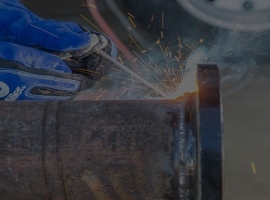
This mechanism's effectiveness is similar to the role cryolite plays in advanced welding fluxes, where it helps clean, protect, and stabilize the process at extreme temperatures. By understanding these fundamental functions, it becomes clear why the physical and chemical properties of the Cryolite Powder must be precisely controlled.
Key Parameters for Selecting Cryolite Powder Grades
When evaluating a specification sheet for Cryolite Powder, several key parameters determine its suitability for a given abrasive application. Procurement managers and formulators should scrutinize these details to ensure consistency and performance.
Particle Size Distribution (PSD)
Often expressed in mesh size (e.g., -200 mesh, -325 mesh), the particle size is one of the most critical factors. It influences how well the filler disperses within the bond matrix and affects the final porosity and density of the abrasive wheel.
- Fine Powders (e.g., -325 mesh): These smaller particles offer a larger surface area, promoting more uniform distribution within resinoid bonds. This leads to a dense, homogeneous wheel structure, which is often desirable for finishing applications that require a smooth surface.
- Coarse Powders (e.g., -100 mesh): Larger particles may be specified for vitrified wheels where a certain degree of controlled porosity is needed for aggressive material removal and improved cooling.
Purity and Impurities
The purity of the cryolite is paramount. Common impurities like silica (SiO₂), iron oxide (Fe₂O₃), and excess moisture can have detrimental effects on the final product. High-purity cryolite ensures predictable, repeatable performance. Impurities can cause issues such as reacting with the bond during curing or firing, creating structural defects, causing discoloration, or altering the melting point and reactivity of the filler.
Molecular Ratio (NaF/AlF₃)
The molecular ratio of sodium fluoride to aluminum fluoride affects the melting point and thermal stability of the cryolite. A high-ratio cryolite has a lower melting point and is more reactive, making it suitable for lower-temperature grinding applications. A low-ratio cryolite is more refractory (thermally stable) and is preferred for high-temperature processes like vitrification, where the filler must survive the firing cycle without premature decomposition.
Moisture Content
Moisture is an enemy, particularly in resin-bonded abrasives. During the heat-curing cycle of a resinoid wheel, any trapped moisture will turn to steam, creating voids or pinholes in the bond structure. This compromises the wheel's integrity, strength, and safety. A low, controlled moisture content in the raw Cryolite Powder is a non-negotiable quality attribute.
Matching Cryolite Grades to Resinoid Bonded Wheels
Resinoid bonded wheels, which use phenolic or other synthetic resins as the bonding agent, are workhorses in the industry, widely used for applications from portable cut-off wheels to heavy-duty snagging wheels. The relatively low curing temperatures of these bonds (typically 150-200°C) place specific demands on the cryolite filler.
For resinoid systems, the ideal Cryolite Powder grade generally features:
- Fine Particle Size: A -200 or -325 mesh powder is typically preferred. The fine particles are easier to disperse evenly throughout the viscous resin mixture, preventing clumping and ensuring a homogeneous blend with the abrasive grains. This uniformity is crucial for consistent wear and performance across the entire wheel.
- Very Low Moisture: As mentioned, moisture is highly detrimental to the resin curing process. A specification of <0.1% moisture is common and necessary to prevent porosity and ensure maximum bond strength.
- High Purity: Impurities can interfere with the polymerization of the resin, leading to incomplete curing and a weakened bond. Iron oxides, for instance, can cause discoloration and create weak points in the wheel structure.
At Oldwelders, our manufacturing process for flux components provides deep insight into material science. By melting premium raw materials like bauxite and cryolite ore at 2000°C, we achieve a refined product with minimal impurities and tightly controlled physical properties. This same commitment to purity and control is essential when sourcing cryolite for sensitive resinoid formulations, ensuring the filler performs its function at the grinding interface without compromising the bond that holds the wheel together.
Selecting Cryolite for Vitrified and Other Bond Systems
While resinoid bonds are common, other systems like vitrified and rubber bonds have their own unique requirements for cryolite fillers.
Vitrified Bonded Wheels
Vitrified bonds are essentially a glassy or ceramic matrix that holds the abrasive grains. They are created by firing the wheel at very high temperatures (often over 1200°C). This process makes them rigid, strong, and porous, ideal for precision grinding applications where form-holding is critical.
The primary challenge for a filler in a vitrified system is surviving this intense firing cycle. The selected Cryolite Powder must have high thermal stability. Key selection criteria include:
- Thermal Stability: A low molecular ratio cryolite is often necessary to ensure it does not melt or decompose during the kiln firing process. It must remain intact until it is needed at the grinding interface.
- Controlled Particle Size: The PSD can be manipulated to help engineer the desired porosity in the final wheel. Both fine and coarse grades may be used depending on the specific formulation goal.
- Purity: High purity is essential to prevent unwanted chemical reactions with the glassy bond at high temperatures, which could lead to bloating, structural instability, or defects.
Rubber and Shellac Bonds
Rubber and shellac bonded wheels are used for more specialized applications, such as producing very fine finishes or for regulating wheels in centerless grinding. For these systems, the cryolite must be compatible with the vulcanization (for rubber) or melting process. Generally, a very fine, high-purity powder is required to ensure it can be evenly dispersed without disrupting the bond's unique flexible or thermoplastic properties.
Sourcing and Quality Assurance for Industrial Cryolite
For procurement managers in Brazil, Thailand, Australia, and Malaysia, securing a reliable supply of high-quality industrial minerals is crucial for maintaining production schedules and product quality. When sourcing Cryolite Powder, vetting your supplier is as important as vetting the material itself.
Look for a partner who can provide:
- Verifiable Quality Systems: A supplier's commitment to quality should be backed by internationally recognized certifications. As an ISO 9001 certified manufacturer, Oldwelders demonstrates adherence to stringent quality control protocols, from raw material inspection to final product analysis, ensuring lot-to-lot consistency.
- Production Capacity and Reliable Lead Times: Your production line cannot afford delays. A supplier should have the capacity to meet your volume requirements. With a 1000-square-meter plant and six production lines capable of supplying 100 tons a day, we can manage large-volume orders and maintain a consistent 30-day lead time.
- Flexible Order Quantities: Whether you are a large-scale manufacturer or working on a specialized project, your supplier should be able to accommodate your needs. We offer a minimum order quantity of 1 ton, providing flexibility for diverse operational scales.
- Comprehensive Technical Documentation: A professional supplier will readily provide a detailed Technical Data Sheet (TDS) for each grade of Cryolite Powder, along with a Certificate of Analysis (COA) for each shipment, verifying that it meets the agreed-upon specifications.
Partnering with a manufacturer who understands the full spectrum of industrial welding materials and their components provides an extra layer of expertise. This knowledge base ensures that the materials you procure are optimized for high-temperature, high-stress industrial applications, from a complex welding machine to the finest abrasive wheel.
Ultimately, selecting the correct Cryolite Powder is a technical decision that balances chemistry, physics, and economics. By aligning the material's grade with the specific demands of your bond system, you can unlock significant improvements in abrasive performance, efficiency, and product value. Contact our technical team today to discuss your formulation needs and request a sample for evaluation.