
Low Alloy Electrodes: When Preheat Is Not Optional
Understanding When Preheat is Mandatory for Low Alloy Electrodes
For project engineers and welding supervisors, ensuring the structural integrity of a weld is paramount. When working with high-strength, low-alloy (HSLA) steels, the choice of welding consumable is only one part of a complex equation. The procedures surrounding the weld, particularly thermal management, are equally critical. Using a low alloy electrode introduces specific metallurgical challenges that, if ignored, can lead to catastrophic failures. The most crucial of these procedures is preheating, a step that is not merely a recommendation but an absolute necessity in many applications to prevent hydrogen-induced cracking and guarantee a sound, reliable joint.
This guide delves into the science behind preheating, outlining the factors that determine its necessity and the severe consequences of neglecting it. Understanding these principles is essential for developing robust welding procedure specifications (WPS) that stand up to the rigorous demands of structural and industrial fabrication, particularly for clients in demanding markets from Brazil to Thailand.
What Defines a Low Alloy Electrode?
Before we can understand why preheating is so critical, we must first define what sets a low alloy electrode apart from a standard mild steel consumable. While mild steel electrodes, such as the common AWS E6013 welding electrodes, are designed to deposit weld metal with a chemical composition similar to the base material, low alloy consumables are engineered with specific additions of alloying elements.
These elements, typically including chromium (Cr), molybdenum (Mo), nickel (Ni), manganese (Mn), and vanadium (V), are added in controlled quantities to impart specific mechanical properties to the finished weld. These properties often include:
- Increased Tensile Strength: The primary reason for using these electrodes is to match or exceed the strength of the high-strength base materials they are designed to join.
- Improved Toughness: Especially at low temperatures, certain alloys like nickel enhance the weld's ability to resist fracture.
- Enhanced Creep Resistance: Chromium and molybdenum are crucial for applications involving high temperatures, such as in power generation and petrochemical industries, as they help the steel resist deformation under long-term stress.
- Greater Hardenability: The alloying elements make the weld metal more susceptible to hardening during the rapid cooling that follows welding.
This last point—hardenability—is the key to understanding the preheating requirement. While increased hardness contributes to strength, it also creates a weld and heat-affected zone (HAZ) that is brittle and highly susceptible to cracking if not managed correctly. The very elements that give the weld its desirable strength also create the conditions where hydrogen can cause catastrophic failure.
The Critical Role of Preheat in Preventing Hydrogen-Induced Cracking
The primary adversary when welding with a low alloy electrode on hardenable steels is hydrogen. Hydrogen-induced cracking (HIC), also known as delayed cracking or cold cracking, is a failure mechanism that can occur hours or even days after the weld has been completed. It requires the simultaneous presence of three factors:
- Hydrogen Source: Hydrogen is readily available from moisture in the electrode coating, on the base metal surface, or in the surrounding atmosphere. Low-hydrogen electrodes (e.g., E7018, E8018-X series) are designed to minimize this, but improper storage or handling can reintroduce moisture.
- Susceptible Microstructure: As the weld cools, the high hardenability of the alloyed weld metal and the adjacent HAZ can lead to the formation of martensite—a very hard, brittle, and low-ductility crystal structure.
- Tensile Stress: Residual stresses from the welding process, combined with any external loads, place the brittle microstructure under tension.
When these three conditions are met, atomic hydrogen trapped in the steel during welding diffuses to areas of high stress within the brittle martensitic structure. It then combines to form molecular hydrogen gas, creating immense internal pressure that forces the steel grains apart, initiating a crack. Preheating directly combats this mechanism in several crucial ways.
Slowing the Cooling Rate
The most important function of preheating is to reduce the thermal gradient between the weld and the surrounding base metal. By elevating the starting temperature of the material, the cooling rate after welding is significantly slowed. This slower cooling process is metallurgically vital because it:
- Prevents Martensite Formation: A slower cooling rate allows the steel's microstructure to transform into softer, more ductile structures like ferrite and pearlite, rather than brittle martensite. This eliminates the "susceptible microstructure" condition for HIC.
- Promotes Hydrogen Diffusion: At elevated temperatures, hydrogen is much more mobile within the steel lattice. A slow cooling rate provides a longer window of time for dissolved hydrogen to safely diffuse out of the weld and HAZ before the material cools to a temperature where it becomes trapped and can cause damage.
Reducing Thermal Stresses
A secondary but still important benefit of preheating is the reduction of residual stresses. By lowering the temperature difference across the weld joint, preheating minimizes the expansion and contraction forces that contribute to the overall stress state of the finished weld, further reducing the risk of cracking.
Factors Determining Preheat and Interpass Temperature
Determining the correct preheat and interpass temperatures is not a matter of guesswork; it is a calculated engineering decision based on several interacting variables. Welding codes like AWS D1.1 provide detailed tables and guidelines, but understanding the underlying factors is essential for any project engineer.
1. Base Metal Chemistry (Carbon Equivalent)
The single most important factor is the chemical composition of the steel being welded. Hardenability is primarily determined by carbon content and the presence of other alloying elements. The "Carbon Equivalent" (CE) formula is a tool used to quantify the combined effect of these elements on hardenability. A higher CE value indicates a greater tendency to form brittle martensite and thus requires a higher preheat temperature.
2. Material Thickness
Thicker materials act as a more effective heat sink, drawing heat away from the weld zone much faster than thinner sections. This accelerated cooling rate increases the risk of martensite formation. As a result, required preheat temperatures increase significantly with material thickness. A 1-inch thick plate will require a much higher preheat than a ¼-inch plate of the same material.
3. Joint Design and Restraint
The degree of restraint in a weld joint directly affects the level of residual stress. Highly restrained joints, such as those in complex assemblies or thick-section corner joints, will develop higher internal stresses upon cooling. This increased stress necessitates higher preheat temperatures to mitigate the risk of cracking.
4. Hydrogen Potential
The type of welding process and the condition of the consumables determine the amount of diffusible hydrogen introduced into the weld. Using properly stored, low-hydrogen consumables is the first line of defense. Processes like shielded metal arc welding (SMAW) with a low alloy electrode require strict adherence to electrode storage and handling procedures (e.g., baking in a rod oven) to minimize moisture absorption and keep hydrogen levels low.
5. Ambient Conditions
Welding in cold or damp environments increases the cooling rate and introduces a surface moisture risk. Welding codes often specify a minimum base metal temperature (e.g., 50°F or 10°C) even for materials that might not otherwise require preheating, simply to ensure the surface is free of condensation.
Partnering with a Reliable Consumables Manufacturer
Successfully executing critical welds on high-strength steels depends not only on procedure but also on the quality and consistency of the welding materials themselves. A variance in electrode coating chemistry or moisture resistance can undermine even the most carefully planned welding procedure. This is why partnering with a proven, certified manufacturer is a critical risk mitigation strategy for any engineering project.
As an ISO 9001 certified company, Oldwelders is committed to the highest standards of quality control. Our state-of-the-art plant, covering 1000 square meters with six production lines, has the capacity to supply 100 tons of welding consumables per day. This scale allows us to serve major industrial clients in markets from Australia to Malaysia, ensuring a reliable supply chain for large-scale projects. Our process begins with excellent raw materials—dolomite, bauxite, fluorine ore, and silica—which are meticulously processed to create products with consistent, reliable performance.
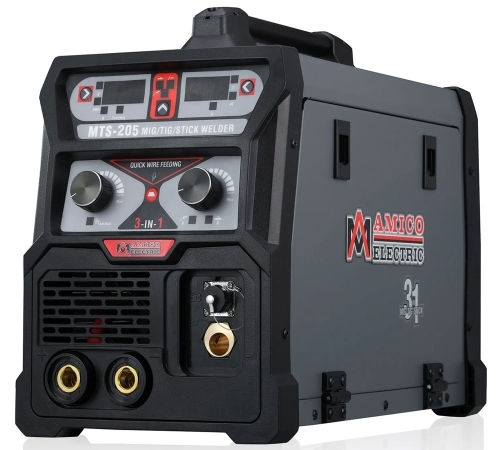
Whether your project requires a specialized low alloy electrode, a robust arc welding machine capable of precise thermal control, or high-purity submerged arc welding flux hj431 for automated applications, sourcing from a manufacturer with transparent and rigorous quality systems is essential. It ensures that the consumables you specify will perform as expected, providing the low-hydrogen characteristics and chemical composition necessary for crack-free welds. With a minimum order quantity of just 1 ton and a typical lead time of 30 days, we are equipped to support your project's specific needs and timelines, delivering the quality and consistency that critical applications demand.