
How to Stop a Welding Electrode from Sticking on Arc Starts
How to Prevent Your Welding Electrode from Sticking on Arc Initiation
In Shielded Metal Arc Welding (SMAW), a smooth, consistent arc start is the foundation of a quality weld. Yet, one of the most common and disruptive problems welders face is the welding electrode sticking to the workpiece upon initiation. This abrupt "freeze" breaks the welder's rhythm, can damage the flux coating at the tip of the rod, and leaves an undesirable mark on the base material. For production managers and supervisors, this seemingly minor issue translates into lost time, wasted consumables, and potential rework, impacting overall operational efficiency.
Understanding the reasons behind a sticking rod is the first step toward eliminating it. The issue is rarely due to a single cause; more often, it is a combination of improper technique, incorrect machine settings, or compromised consumables. This comprehensive guide provides a systematic approach to diagnosing the root causes of electrode sticking and implementing practical, effective solutions to ensure clean, reliable arc starts every time.
Understanding the Root Causes of Electrode Sticking
At its core, a welding electrode sticks when a stable electric arc fails to establish and maintain itself between the electrode tip and the workpiece. Instead of creating a plasma channel for the current to flow through, the electrode makes direct contact with the base metal, causing a short circuit. The welding current then rapidly fuses the molten tip of the core wire to the workpiece before the welder has a chance to pull away.
Several factors contribute to this failure to initiate a proper arc:
- Insufficient Heat: If the amperage is too low, there isn't enough electrical energy to instantly melt the electrode tip and create the superheated plasma needed for the arc. The tip simply makes contact and welds itself to the colder base metal.
- Poor Electrical Circuit: Any impedance in the welding circuit—such as a weak ground connection, contaminants on the workpiece surface, or damaged cables—can cause a voltage drop that prevents a strong arc from forming.
- Compromised Flux Coating: The flux coating on a welding electrode is not just a shield; it contains arc stabilizers that are essential for easy arc initiation. If this coating is damp, damaged, or of poor quality, it cannot perform its function effectively.
- Incorrect Operator Technique: The physical manipulation of the electrode holder—the speed, angle, and motion—is a delicate skill. An incorrect movement can either extinguish a fledgling arc or push the electrode into the workpiece too forcefully, causing it to stick.
By systematically addressing each of these potential problem areas, welders can move from frustrating, inconsistent starts to a smooth and predictable welding process.
Mastering Your Arc Starting Technique
While machine settings and material condition are critical, the operator's technique is the most immediate factor in preventing a sticking welding electrode. Two primary methods are used for striking an arc in SMAW, and mastering both can help you adapt to different situations and electrode types.
The "Tapping" or "Pecking" Method
This technique is akin to tapping a hammer lightly. The welder brings the electrode tip down to the workpiece in a swift, direct motion and immediately pulls it back up the instant it makes contact. The goal is to create a momentary short circuit that ignites the arc, then quickly establish the proper arc length (typically equal to the diameter of the core wire).
- Best For: This method is excellent for welding in tight spaces or for starting a weld at a precise point.
- Common Mistakes: Leaving the electrode on the workpiece for a fraction of a second too long will cause it to stick. Pulling back too far or too slowly will extinguish the newly formed arc. The motion must be crisp and decisive.
The "Scratching" or "Matchstick" Method
As the name implies, this technique involves dragging the electrode tip across the workpiece at an angle, much like striking a match. The scratching motion helps heat the tip and the base metal as it moves, establishing the arc more gradually. Once the arc ignites, the welder moves the electrode to the starting point of the weld bead.
- Best For: This method is often easier for beginners and is very effective for electrodes that can be difficult to start, such as some low-hydrogen types.
- Common Mistakes: A common error is to strike the arc far outside the weld joint, leaving unsightly "arc strike" marks that can be metallurgical stress points. Always aim to strike the arc just ahead of the intended weld path, so the start mark is consumed as you begin welding.
Regardless of the method used, controlling the arc length immediately after ignition is paramount. Establishing and holding a tight, consistent arc length prevents the arc from extinguishing or the rod from being driven into the molten weld pool, which is another common cause of sticking during the welding process.
Optimizing Your Welder Settings and Equipment
Your welding machine is the heart of the operation. If it is not set correctly or if your equipment is in poor condition, even the best technique will fail. Pay close attention to these key areas.
Incorrect Amperage: The Primary Culprit
Setting the amperage too low is the most frequent cause of a sticking welding electrode. There simply isn't enough electrical power to overcome the resistance of the circuit and sustain the arc. The electrode tip will "freeze" to the relatively cold workpiece on contact. Conversely, an excessively high amperage can cause a violent, explosive start that may startle the welder into pushing the rod into the metal. Always start with the manufacturer's recommended amperage range for the specific electrode diameter and type you are using. Make small adjustments on a scrap piece of metal until the arc starts smoothly and burns with a steady, crackling sound.
Using Arc Force / Dig Control
Many modern power sources, including a professional arc welding machine, feature a setting called "Arc Force" or "Dig." This function intelligently detects when the arc voltage drops, which happens when the arc length gets very short. In response, it provides a temporary boost in current to prevent the electrode from sticking and extinguishing the arc. For arc starting, a higher Arc Force setting can be particularly beneficial, as it provides that extra burst of energy needed to power through the initial short circuit and establish the arc cleanly.
Leveraging the Hot Start Feature
The "Hot Start" function is designed specifically to combat sticking on initiation. When enabled, it provides an automatic, brief increase in welding current the moment the arc is struck. This additional heat helps establish the molten pool and arc plasma more rapidly, ensuring a smooth and reliable start. Once the arc is stable, the current returns to the level set by the operator. If your machine has this feature, ensure it is activated and set appropriately, especially when working with difficult-to-start electrodes or on thick, cold material.
Inspect Your Entire Welding Circuit
A stable current requires a clean, secure electrical circuit. Any weakness in this circuit can lead to arc instability and sticking. Routinely check the following:
- Ground Clamp: Ensure the clamp has a strong spring and clean contact points. Attach it to a clean, bare metal spot on the workpiece or welding table as close to the weld as practical.
- Cables: Inspect welding cables for cracks, cuts, or frayed sections that could impede current flow.
- Connections: Make sure the connections at the machine terminals and the electrode holder (stinger) are tight and free of corrosion.
The Critical Role of Consumable and Material Condition
The final piece of the puzzle is the condition of your consumables and the base material. No amount of technique or machine tuning can compensate for poor-quality or improperly handled materials.
Moisture: The Enemy of a Stable Arc
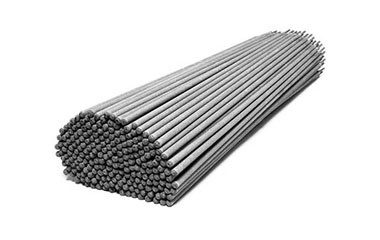
The flux coating on a welding electrode is hygroscopic, meaning it readily absorbs moisture from the air. Low-hydrogen electrodes, such as aws e6013 welding electrodes, are particularly susceptible. When you attempt to strike an arc with a damp electrode, the intense heat instantly turns the moisture into steam. This steam expansion disrupts the arc plasma, making it erratic and difficult to start and maintain. Always store electrodes in a dry, temperature-controlled environment. For critical applications, use a rod oven to keep low-hydrogen electrodes at their recommended holding temperature.
The Importance of a High-Quality Welding Electrode
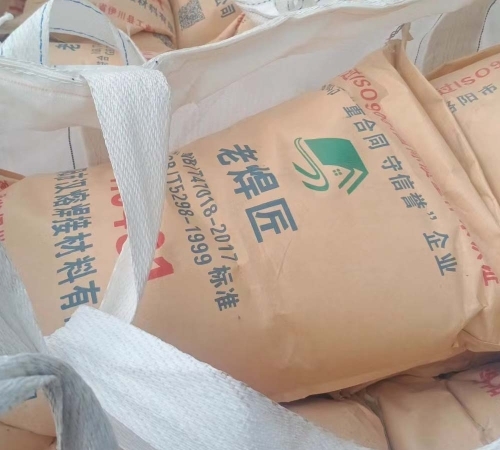
Consistency in manufacturing is key to predictable performance. Partnering with an ISO 9001 certified manufacturer like Oldwelders ensures that each welding electrode is produced with a uniform, concentric flux coating composed of premium raw materials. Our state-of-the-art facility utilizes excellent ores like dolomite, bauxite, and silica, which are melted at 2000 °C to create high-performance welding fluxes. This commitment to quality control results in consumables that provide superior arc stabilization, easy starts, and minimal sticking.
Workpiece Surface Preparation
The arc needs a clean path to the base metal. Rust, mill scale, paint, oil, and other surface contaminants act as insulators, hindering the flow of electricity. This resistance can prevent the arc from initiating, causing the rod to stick. Before welding, always use a grinder or wire brush to clean the area where you will strike the arc and along the entire weld joint.
Sourcing and Supply Chain for Consistent Performance
For large-scale industrial operations and fabrication shops, weld quality is directly tied to the reliability of the supply chain. Inconsistent consumable quality can introduce variables that lead to problems like electrode sticking, porosity, and other defects, slowing down production and increasing costs.
For businesses in demanding international markets such as Brazil, Thailand, Australia, and Malaysia, maintaining project timelines is paramount. A dependable supply of high-quality welding materials is not a luxury—it's a necessity. Oldwelders supports these operational demands with a robust production capacity. Our 1000-square-meter plant, equipped with six production lines, can supply up to 100 tons of flux products per day. This scale, combined with our commitment to ISO 9001 standards, ensures that every batch of consumables performs to the same high standard. With a standard lead time of 30 days and a minimum order quantity of 1 ton, procurement managers can confidently plan their inventory to avoid disruptions and maintain peak productivity.
Conclusion: A Systematic Approach to Flawless Arc Starts
Eliminating the frustration of a sticking welding electrode is an achievable goal that pays dividends in productivity and weld quality. It requires a holistic approach that begins with the welder's technique and extends through machine settings, equipment maintenance, and consumable management. By systematically checking each of these areas—perfecting the scratch or tap, dialing in the amperage and arc force, ensuring clean connections, and using high-quality, dry electrodes—operators can transform arc starting from a challenge into a seamless, reliable action. By focusing on these fundamentals, you can ensure every weld begins perfectly, setting the stage for a superior finished product.