
How to Source Stainless Steel Rod by Grade and Finish
How to Source the Right Stainless Steel Rod by Grade and Finish
For procurement managers, fabricators, and distributors, sourcing welding consumables is a critical task where precision matters. The performance, longevity, and safety of a final welded product are directly linked to the quality of the materials used. Among these, the stainless steel rod is a cornerstone of modern fabrication, prized for its corrosion resistance and strength. However, the vast array of grades and finishes can make the procurement process complex. A well-crafted Request for Quotation (RFQ) that clearly specifies your requirements is the first step toward securing a reliable supply chain and achieving optimal welding results.
This guide provides a comprehensive framework for sourcing the correct welding consumables for your projects. We will delve into the nuances of stainless steel grades, the impact of surface finishes, and the essential criteria for vetting a potential supplier. By understanding these key elements, you can ensure you procure materials that meet your precise engineering specifications and budget, while building partnerships with suppliers who can support your operational needs.
Understanding Stainless Steel Grades for Welding Applications
The term "stainless steel" encompasses a wide family of iron-based alloys containing at least 10.5% chromium. This chromium content creates a passive, self-repairing oxide layer that gives the material its characteristic "stainless" quality. However, different grades contain varying amounts of chromium, nickel, molybdenum, and other elements, which dictate their mechanical properties, corrosion resistance, and, crucially, their weldability. Selecting the wrong grade can lead to weld cracking, reduced corrosion resistance, and premature failure.
The Main Families of Stainless Steel
For welding purposes, stainless steel is typically categorized into four main families. Understanding their core differences is essential for proper selection.
- Austenitic (300 Series): This is the most common family, known for its excellent corrosion resistance and formability. Grades like 304 (the workhorse of the industry) and 316 (with added molybdenum for superior corrosion resistance, especially against chlorides) are frequently used. When welding these base metals, you will typically use a filler metal with slightly higher alloy content. For example, ER308L is a common choice for welding 304, while ER316L is used for 316. The "L" designation signifies low carbon content, which is vital for preventing chromium carbide precipitation at the grain boundaries during welding, thereby preserving corrosion resistance.
- Ferritic (400 Series): These magnetic steels have a lower nickel content and offer good corrosion resistance, particularly against stress corrosion cracking. They are often used in automotive exhaust systems and industrial equipment. Welding ferritic steels requires careful heat input control to avoid grain growth, which can reduce toughness. Filler metals like ER430 are commonly specified.
- Martensitic (400 Series): Known for their high strength and hardness, martensitic steels are heat-treatable. They are used in applications requiring high wear resistance, such as turbine blades and cutlery. Welding these grades is challenging and often requires pre-heating and post-weld heat treatment (PWHT) to prevent cracking.
- Duplex: As the name suggests, duplex stainless steels have a mixed microstructure of austenite and ferrite. This combination provides both high strength and excellent resistance to stress corrosion cracking. They are widely used in the oil and gas, chemical processing, and marine industries. Welding duplex requires specific filler metals (e.g., ER2209) and strict control over heat input to maintain the correct phase balance in the weld metal.
When preparing an RFQ, specifying the exact grade of the base material being welded is paramount. This allows a knowledgeable supplier to recommend the most appropriate welding consumable to ensure a sound, durable joint.
Decoding Surface Finishes and Their Impact on Performance
While the chemical composition (grade) of a stainless steel rod is fundamental, its surface finish also plays a significant role in welding performance and the quality of the final product. The finish can affect arc stability, feedability in automated systems, and the final aesthetic of the weld bead.
Common Finishes and Their Applications
- Matte or Pickled Finish: This is a common finish for many welding rods. After manufacturing, the rod undergoes an acid pickling process to remove surface oxides and scale. This results in a clean, uniform, non-reflective surface that promotes good electrical contact and a stable arc. It is a suitable general-purpose finish for most industrial applications.
- Bright Finish: A bright, smooth, and often shiny finish is achieved through processes like bright annealing or fine-die drawing. This clean surface can improve feedability in MIG or TIG welding systems, reducing friction and preventing wire shaving that can clog liners and contact tips. This is often preferred for high-precision or automated welding processes where consistency is key. A comprehensive range of welding materials includes options with various finishes to suit specific equipment needs.
- Ground Finish: For applications demanding extremely tight diameter tolerances, a centerless ground finish may be specified. This process produces a highly precise and uniform rod, which is critical for orbital welding or other specialized automated applications.
Your RFQ should specify any finish requirements beyond the standard. If your application is for architectural or food-grade products where the final weld appearance is critical, or if you are using a high-speed automated welding machine, noting a preference for a bright finish is an important detail to include.
Key Supplier Vetting Criteria for Your RFQ
Choosing the right supplier is as important as choosing the right material. A reliable partner provides not just a product, but also quality assurance, technical support, and a dependable supply chain. As you evaluate potential suppliers, consider the following criteria.
1. Quality Management and Certifications
Consistent quality is non-negotiable. A supplier's commitment to quality can be verified through their certifications. Look for suppliers who are ISO 9001 certified, as this demonstrates a robust quality management system is in place for all processes, from raw material sourcing to final inspection. At Oldwelders, our ISO 9001 certification is a cornerstone of our commitment to delivering welding consumables that meet the highest international standards.
2. Production Capacity and Scalability
Can the supplier meet your volume demands, both now and in the future? Inquire about their manufacturing capabilities. A supplier with significant capacity can better handle large-volume orders and respond more flexibly to urgent requests. For instance, Oldwelders operates a 1000-square-meter plant with six production lines, capable of supplying up to 100 tons per day. This level of capacity ensures we can reliably serve industrial-scale clients in markets from Brazil and Thailand to Australia and Malaysia.
3. Minimum Order Quantity (MOQ) and Lead Time
Understand the supplier's commercial terms. MOQs and lead times directly impact your inventory management and project scheduling. A supplier with a reasonable MOQ provides flexibility for smaller projects or for initial trial orders. Oldwelders offers a standard Minimum Order Quantity of 1 ton, making our high-quality products accessible for a range of project sizes. Our typical lead time is 30 days, allowing for reliable planning in your production cycle.
4. Technical Expertise and Support
A good supplier acts as a partner. They should have the technical expertise to understand your application and guide you toward the best material solution. Can they provide material test reports (MTRs), certificates of conformity, and technical data sheets? Access to knowledgeable support staff can be invaluable when facing a challenging welding application or when troubleshooting an issue.
Building a Comprehensive RFQ for Stainless Steel Welding Rods
An effective RFQ is detailed and unambiguous. The more specific your request, the more accurate and comparable the quotes you receive will be. Use the following checklist to ensure you include all necessary information.
- Product Specification: Clearly state the required grade (e.g., ER308L, E316L-16).
- Dimensions: Specify the diameter and length (for cut lengths) or spool weight (for continuous wire).
- Surface Finish: Note if a specific finish (e.g., bright) is required.
- Quantity: Provide the total weight required (e.g., in kilograms or tons).
- Packaging Requirements: Specify your preference, such as individually sealed tubes, vacuum-sealed foil bags, or bulk spools. This is important for protecting the rods from moisture and contamination.
- Required Documentation: Request necessary certifications, such as an ISO 9001 certificate, material test reports, or a certificate of conformity with each shipment.
- Delivery Information: Include the final delivery address (Incoterms) and your desired delivery date or timeframe.
- Application Details (Optional but Recommended): Briefly describing the base metal and application can help the supplier confirm your choice of consumable is appropriate.
A well-prepared RFQ not only streamlines your procurement process but also establishes a professional and clear line of communication with potential suppliers from the very beginning.
Oldwelders: Your Partner in High-Performance Welding Consumables
At Oldwelders, we understand the critical role that high-quality consumables play in the success of your projects. Our manufacturing process is built on a foundation of quality, starting with the selection of excellent raw materials like dolomite, bauxite, and cryolite, which are melted at 2000 °C to ensure purity and optimal composition. This meticulous process allows us to produce a wide range of reliable welding products.
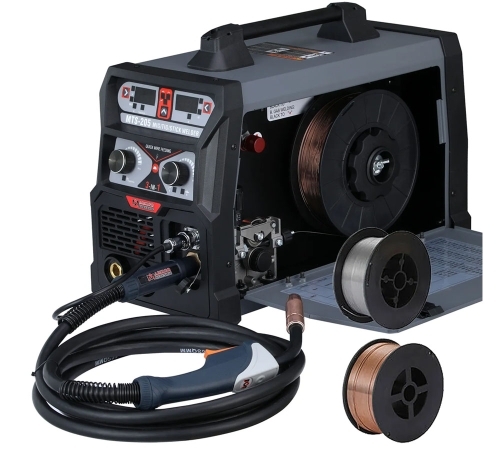
Beyond the superior stainless steel rod options, our portfolio includes a complete suite of solutions to meet your needs. We manufacture advanced welding equipment, from versatile mig-mag-tig welding machine models to specialized systems. Our range of consumables also extends to high-performance welding fluxes and a variety of welding wires and electrodes. This comprehensive offering makes us a single-source partner for fabrication shops and industrial operations worldwide.
By combining certified quality, substantial production capacity, and a deep understanding of welding metallurgy, we are equipped to be more than just a supplier—we are a partner in your success. Contact us today to discuss your requirements and request a quote for your next project.