
How to Audit an Electrode Factory Before Bulk Sourcing
How to Effectively Audit an Electrode Factory for Bulk Sourcing
For procurement managers and industrial buyers, the journey from a successful sample test to a full-scale bulk order is a critical transition. The approved sample represents a promise of quality, but ensuring that the ten-thousandth unit is identical to the first is the true test of a supplier's capability. This is particularly true in the welding industry, where the consistency of consumables like electrodes directly impacts weld integrity, project timelines, and operator safety. Before committing to a significant investment, conducting a thorough audit of your potential electrode factory partner is not just a recommendation; it is an essential step in safeguarding your operations and supply chain.
An audit provides a transparent view into a manufacturer's processes, from raw material intake to final packaging. It allows you to verify claims, assess production capacity, and gain confidence in their ability to deliver consistent quality at scale. This guide outlines the key criteria to evaluate when auditing a welding electrode supplier, ensuring you partner with a manufacturer that can meet your stringent requirements for every order.
Key Areas to Scrutinize in a Welding Electrode Factory
A comprehensive audit goes beyond a simple facility tour. It involves a systematic review of the core systems that govern quality and production. When evaluating a potential supplier, focus your attention on their management systems, raw material controls, and overall commitment to quality assurance.
Quality Management Systems (QMS)
The foundation of any reliable manufacturing operation is a robust Quality Management System. This is the framework of policies, processes, and procedures that dictates how an organization ensures its products consistently meet customer and regulatory requirements. An effective QMS is a strong indicator of a supplier's commitment to quality.
- Certifications: The most crucial indicator is internationally recognized certification. Look for suppliers who are ISO 9001 certified. This certification is not merely a piece of paper; it confirms that an independent body has audited the factory's processes against a global standard for quality management. It demonstrates a commitment to continuous improvement, customer satisfaction, and procedural discipline.
- Documentation and Traceability: Ask to see their quality control documentation. A reputable factory will have clear records for each production batch, tracing it from raw materials to the final packaged product. Can they quickly pull up inspection reports, material certificates, and test results for a specific lot number? This traceability is vital for quality control and for resolving any issues that may arise post-delivery.
- Corrective Action Process: No manufacturing process is perfect. What separates great suppliers from mediocre ones is how they handle deviations. Inquire about their process for identifying non-conformities, investigating the root cause, and implementing corrective and preventive actions (CAPA). A mature CAPA process shows the factory is proactive about quality, not just reactive.
Raw Material Sourcing and Handling
The old adage "garbage in, garbage out" is profoundly true in electrode manufacturing. The chemical composition and purity of the raw materials in the flux coating determine the electrode's performance, including arc stability, slag detachability, and the mechanical properties of the finished weld. A premier electrode factory will exercise stringent control over its inputs.
At Oldwelders, we understand that superior welding consumables begin with superior raw materials. Our process relies on excellent ores such as dolomite, bauxite, cryolite, silica, and fluorine ore. These materials undergo a high-temperature melting process at 2000°C to ensure purity and create the precise chemical properties required for high-performance welding fluxes. When auditing a potential supplier, investigate:
- Supplier Verification: How do they qualify their raw material suppliers? Do they require material test certificates for every shipment they receive?
- Incoming Inspection: What tests are performed on raw materials upon arrival? This should include chemical analysis and physical property checks to ensure the materials meet specifications before they ever enter the production line.
- Storage and Handling: How are materials stored to prevent contamination or degradation? Flux components, in particular, can be sensitive to moisture. Proper climate-controlled storage is a sign of a detail-oriented and professional operation.
Assessing Production Capacity and Scalability
Once you've verified a supplier's commitment to quality, the next step is to confirm they have the physical capacity and operational efficiency to meet your volume and delivery requirements. A supplier who is overstretched or lacks a scalable infrastructure can quickly become a bottleneck in your supply chain.
Look for concrete evidence of their production capabilities. For example, a well-equipped facility might cover an area of 1000 square meters and operate multiple production lines. A high-capacity plant can often supply upwards of 100 tons per day, providing a significant buffer to handle large or urgent orders. When evaluating capacity, consider:
- Plant and Equipment: Assess the condition and age of their manufacturing equipment. Are the machines well-maintained? Do they have redundancies in place for critical equipment to prevent production stoppages? A modern, well-maintained plant is less prone to unexpected downtime.
- Production Volume: Ask for their stated daily, weekly, and monthly production capacity. How does this compare to their current workload? A factory running at 100% capacity may have little flexibility to accommodate your orders or handle unforeseen spikes in demand. A healthy capacity buffer is ideal.
- Lead Times and MOQs: A transparent supplier will have clear business terms. Inquire about their standard lead time from order confirmation to shipment; a typical timeframe might be around 30 days. Also, clarify their Minimum Order Quantity (MOQ), which could be around 1 ton for bulk orders. These figures help you plan your procurement cycle effectively. Our range of welding materials is designed to support diverse project scales.
Evaluating the Manufacturing Process for Consistency
Lot-to-lot consistency is the hallmark of a world-class electrode factory. This is achieved through tightly controlled processes at every stage of production. During your audit, pay close attention to the key manufacturing steps to understand how they ensure uniformity.
Key Production Stages to Review:
- Core Wire Preparation: The process starts with steel wire, which must be drawn to a precise diameter, straightened, and cut to length. Verify the tolerances they maintain for wire diameter and check their quality control for surface cleanliness, as any contaminants can affect weld quality.
- Flux Mixing: This is one of the most critical steps. The dry ingredients for the flux coating are precisely weighed and blended. Ask about their mixing process. Do they use automated systems for weighing to minimize human error? How do they ensure the homogeneity of the blend?
- Coating Application (Extrusion): The flux is extruded onto the core wire under immense pressure. The key parameters to control here are coating concentricity (is it evenly applied around the wire?) and thickness. An uneven coating can lead to an unstable arc. Modern factories use laser micrometers for real-time monitoring of this process.
- Baking and Curing: After coating, the electrodes are baked in industrial ovens to remove moisture and cure the coating. The temperature and time in the oven are critical. Improper baking can result in hydrogen-induced cracking in the final weld. Check their oven calibration records and process control charts. High-quality products like our AWS E6013 welding electrodes depend on this precision.
- Final Inspection and Testing: Before packaging, finished electrodes should undergo a final round of inspection. This includes visual checks for defects, dimensional verification, and performance testing from each batch. Ask to see their in-house lab and inquire about the tests they perform (e.g., weldability tests, moisture tests, and mechanical property tests of the weld metal).
Logistics, Packaging, and Global Supply Chain Capabilities
A high-quality product can be rendered useless if it is damaged during transit or storage. This is especially true for welding electrodes, which are highly susceptible to moisture absorption. A supplier's expertise in packaging and logistics is the final, crucial piece of the puzzle.
Packaging should be designed to protect the product from both physical damage and environmental factors. Look for hermetically sealed packaging, often plastic-wrapped cartons or vacuum-sealed foil bags, which provide a robust barrier against moisture. The outer cartons should be sturdy enough to withstand the rigors of international shipping.
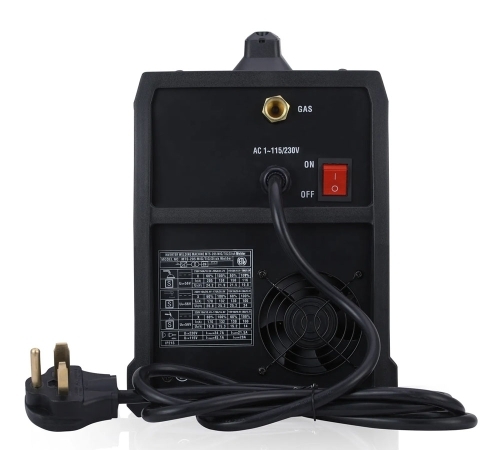
Furthermore, evaluate the supplier's experience in exporting to your region. A manufacturer with an established track record of shipping to diverse markets—such as Brazil, Thailand, Australia, and Malaysia—will already be familiar with the relevant customs procedures, documentation requirements, and logistical challenges. This experience can prevent costly delays and ensure a smooth delivery process. They should be able to provide clear shipping terms, estimated transit times, and robust tracking information. This global reach often extends to a comprehensive product line, including not just consumables but also the necessary equipment, such as a reliable welding machine to power your operations.
By systematically evaluating these critical areas—from quality systems and raw materials to production capacity and logistics—you can move beyond the sample and make an informed decision about your bulk sourcing partner. A truly capable electrode factory will not only welcome this scrutiny but will also be proud to demonstrate the processes and systems that enable them to deliver consistent quality, order after order.