
How Do Low Alloy Electrodes Meet AWS A5.5? A Guide
How Low Alloy Electrodes Are Classified Under the AWS A5.5 Standard
For welding engineers, fabricators, and technical buyers, selecting the correct consumable is a critical decision that directly impacts the integrity, safety, and service life of a welded structure. When working with low-alloy steels—materials engineered for higher strength, toughness, and corrosion resistance than carbon steel—this decision becomes even more crucial. The American Welding Society (AWS) provides a clear framework for this through its A5.5/A5.5M specification, "Specification for Low-Alloy Steel Electrodes for Shielded Metal Arc Welding (SMAW)."
Understanding this specification is not merely an academic exercise; it is a fundamental requirement for ensuring that the deposited weld metal meets the stringent chemical and mechanical properties demanded by the application. This guide will break down the AWS A5.5 classification system, explore the testing required for compliance, and provide insights into selecting the appropriate consumable for your needs. A proper understanding ensures you can confidently source materials that deliver predictable, high-quality results, whether for pressure vessels, industrial piping, or heavy machinery.
An Introduction to the AWS A5.5 Specification
The AWS is the leading authority in developing codes, standards, and specifications for welding. These documents create a common language for manufacturers, engineers, and end-users, ensuring consistency and quality across the industry. The AWS A5.5 specification is the definitive standard for covered electrodes used in the SMAW process on low-alloy steels. Its primary purpose is to classify electrodes based on a series of controlled factors, including the mechanical properties of the weld metal, the type of flux coating, usable welding positions, and, most importantly, the specific chemical composition of the deposited weld.
This standardization is vital for several reasons:
- Predictability: Engineers can design structures with confidence, knowing that an electrode with a specific classification from any reputable manufacturer will provide a predictable set of mechanical properties.
- Quality Control: It provides a clear benchmark for quality. As an ISO 9001 certified manufacturer, we adhere to these rigorous standards to ensure every electrode performs as specified. Conformance to AWS A5.5 is a non-negotiable aspect of our production process.
- Safety: By matching the electrode to the base material and service conditions, the standard helps prevent weld failures that could have catastrophic consequences in critical applications.
- Procurement: It simplifies the purchasing process, allowing buyers to specify their exact requirements using a universally understood designation, such as "E8018-B2."
The specification covers a wide range of electrodes designed to weld various low-alloy steels, including chromium-molybdenum (Cr-Mo) steels for high-temperature service, nickel steels for low-temperature toughness, and high-strength, low-alloy (HSLA) steels for structural applications.
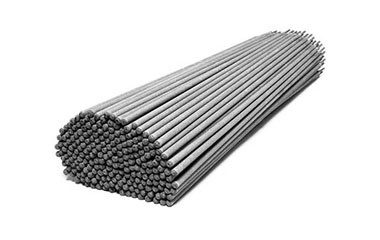
Decoding the AWS A5.5 Classification System
The classification for a low alloy electrode under AWS A5.5 follows a clear, alphanumeric system: EXXXX-XX. Each character or group of characters provides specific information about the electrode's capabilities and composition. Let's break down this designator.
The "E" Prefix
The "E" at the beginning simply stands for "Electrode." This indicates that the product is a consumable electrode intended for use in an electric arc welding process, such as SMAW. It distinguishes it from filler metal rods used in TIG (EW) or bare wire for MIG/Sub-Arc (ER).
The First Two or Three Digits: Minimum Tensile Strength
Immediately following the "E" are two or three digits (e.g., 70, 80, 90, 100, 110, 120). This number represents the minimum required tensile strength of the deposited weld metal, measured in thousands of pounds per square inch (ksi). For example:
- E70XX-X: The weld metal has a minimum tensile strength of 70,000 psi (70 ksi).
- E90XX-X: The weld metal has a minimum tensile strength of 90,000 psi (90 ksi).
- E120XX-X: The weld metal has a minimum tensile strength of 120,000 psi (120 ksi).
This value is determined from an all-weld-metal tension test performed under specific conditions outlined in the AWS A5.5 standard. The choice of tensile strength must be compatible with the base material being welded.
The Next Digit: Usable Welding Positions
The second-to-last digit in the initial numeric group indicates the welding positions in which the electrode is designed to be used. The most common designators are:
- 1 (e.g., E8018-B2): All-position. The electrode can be used in flat, horizontal, vertical (uphill), and overhead positions.
- 2 (e.g., E7028-A1): Flat and horizontal positions only. These electrodes typically have higher iron powder content in their coatings, allowing for higher deposition rates but are limited by a more fluid slag.
- 4 (e.g., E9045-P1): All-position, but specifically designed for vertical-down progression.
The Suffix: Chemical Composition Designator
This is the most critical part of the classification for a low alloy electrode. The suffix, a letter and number combination (e.g., -A1, -B2, -C3, -D1), specifies the chemical composition of the deposited weld metal. This is what gives the weld its unique properties, such as creep resistance, low-temperature toughness, or enhanced strength.
The chemical composition is what truly defines the electrode's purpose. Here are some of the common suffixes and the primary alloying elements they indicate:
- -A1: Carbon-Molybdenum (approx. 0.5% Mo). Used for increased strength at elevated temperatures.
- -B series (e.g., -B1, -B2, -B3, -B6, -B8): Chromium-Molybdenum. This series is essential for high-temperature and high-pressure applications like power plants and refineries. The chromium content provides corrosion and oxidation resistance, while molybdenum provides creep resistance. For example, an E8018-B2 electrode is designed for welding 1.25% Cr - 0.5% Mo steels.
- -C series (e.g., -C1, -C2, -C3): Nickel steel. These electrodes deposit weld metal with varying levels of nickel (1% to 3.5%) to provide excellent Charpy V-notch impact toughness at low temperatures, making them suitable for cryogenic applications.
- -D series (e.g., -D1, -D2): Manganese-Molybdenum. These electrodes provide higher strength weld deposits, often used for welding high-tensile steels.
- -G: General, low-alloy classification. This suffix is used for electrodes that meet specific chemical and mechanical properties but do not fit into any of the other defined classifications. The requirements for a -G electrode must be agreed upon between the supplier and the purchaser.
- -M: Military-type electrode with enhanced toughness and moisture resistance, similar to an E7018-1 but for higher strength levels (e.g., E11018-M).
- -P1: Specifically designed for welding high-strength pipeline steels (e.g., E9045-P1).
Key Testing Requirements for AWS A5.5 Compliance
For an electrode to carry an AWS A5.5 classification, it must undergo a rigorous series of tests to verify its properties. These tests are performed on weld pads created under controlled conditions as specified by the standard. This ensures that the classification is reliable and repeatable.
Chemical Analysis
The most fundamental test is the chemical analysis of the deposited weld metal. Samples are taken from a test weldment and analyzed to ensure the percentages of carbon, manganese, silicon, chromium, molybdenum, nickel, and other relevant elements fall within the narrow ranges specified for that classification's suffix. At Oldwelders, our quality control begins with the raw materials. We use excellent ores like dolomite, bauxite, and cryolite, which are melted at 2000 °C to create our high-purity welding fluxes. This strict control over input materials is a key part of ensuring our finished electrodes consistently meet AWS chemical composition requirements.
Mechanical Property Testing
Beyond chemistry, the weld metal must prove its mechanical integrity. Key tests include:
- Tension Test: An all-weld-metal test specimen is machined from the test weldment and pulled to failure in a tensile testing machine. This test determines the ultimate tensile strength, yield strength, and elongation, ensuring it meets the values required by the classification (e.g., 80 ksi minimum tensile strength for an E8018-B2).
- Impact Test: For classifications requiring low-temperature toughness (common for -C, -M, and some -B series), a Charpy V-notch impact test is performed. Small, notched specimens are cooled to a specific temperature (e.g., -20°F or -50°F) and then struck by a swinging pendulum. The energy absorbed before fracture is measured, indicating the material's resistance to brittle fracture at low temperatures.
- Fillet Weld Test: This test evaluates the usability of the electrode in a fillet weld configuration. It assesses factors like arc stability, slag removal, and the overall appearance of the finished weld bead to ensure it meets operational standards.
Choosing the Right Electrode and Supplier for Your Project
Selecting the correct low alloy electrode is a technical decision that requires careful consideration of the base material, service environment, and design requirements. The primary goal is to produce a weld that is "matching" or "undermatching" in strength and has a chemical composition compatible with the base metal to prevent issues like cracking or premature failure.
Key considerations include:
- Base Material Compatibility: The primary rule is to match the electrode's chemical composition (suffix) to the alloy group of the steel being welded. For example, use a -B2 electrode for 1.25% Cr - 0.5% Mo steel.
- Service Temperature: For high-temperature applications requiring creep resistance, Cr-Mo electrodes (-B series) are necessary. For low-temperature applications requiring toughness, Nickel-based electrodes (-C series) are the standard choice.
- Strength Requirements: The tensile strength of the electrode should be appropriate for the base material. Using an excessively strong electrode can create a brittle heat-affected zone (HAZ) and increase the risk of cracking.
- Preheat and Post-Weld Heat Treatment (PWHT): Low-alloy steels often require controlled heating and cooling cycles to prevent hydrogen-induced cracking and to temper the weldment for optimal properties. The chosen electrode must be compatible with these required thermal treatments.
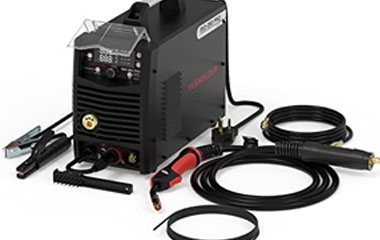
Beyond the technical specifications, partnering with a reliable supplier is equally important. You need a manufacturer with the capacity and quality systems to deliver consistent, high-performance products. With six production lines capable of producing 100 tons per day, Oldwelders is equipped to handle large-scale orders for demanding projects in markets such as Brazil, Australia, and Thailand. We offer a standard lead time of 30 days and a minimum order quantity of 1 ton, providing clear and dependable service for our B2B partners. Whether you need a standard aws e6013 welding electrodes or a specialized high-strength consumable, a reliable supply chain is critical. The right welding machine and consumables are the foundation of any successful welding operation.
By understanding the details of the AWS A5.5 specification, you can make informed decisions, ensuring the integrity and longevity of your critical welded components.