
High-Integrity Flux Container Solutions for Welding
The Right Flux Container is Critical for Weld Integrity
In the world of industrial fabrication and heavy manufacturing, the quality of a weld is paramount. It determines the structural integrity, safety, and longevity of everything from pipelines and pressure vessels to bridges and naval ships. While skilled welders and advanced machinery are crucial components, a seemingly simple element is often overlooked: the storage and handling of welding flux. The integrity of your welding flux is directly tied to the vessel it is stored in. A high-quality, properly sealed flux container is not just packaging; it is a critical tool in your quality assurance process, protecting your investment and ensuring every weld meets stringent specifications.
Failure to maintain the condition of welding flux can lead to catastrophic failures, costly rework, and significant project delays. The primary culprits are moisture and contamination, both of which can be introduced through improper storage. This guide will explore the essential role of the flux container in preserving material quality, detail best practices for handling and storage, and demonstrate how a commitment to quality, from raw material sourcing to final packaging, sets the foundation for superior welding outcomes.
Understanding the Role of Welding Flux in Modern Fabrication
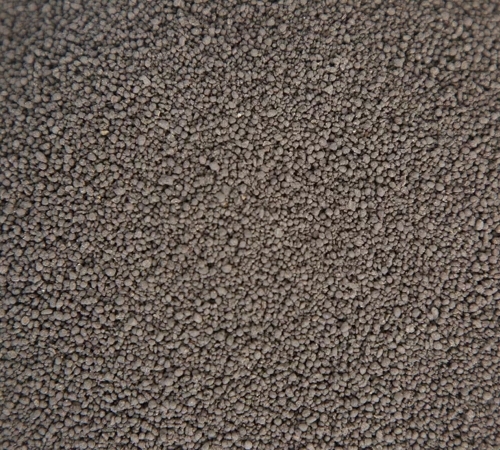
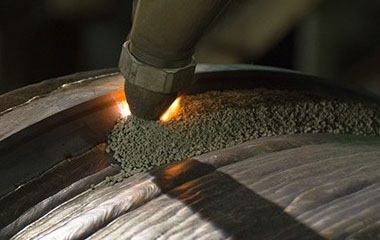
Before delving into storage specifics, it's important to understand why welding flux is so vital. In processes like Submerged Arc Welding (SAW), flux is a granular, fusible material that plays several roles simultaneously as it is consumed during the weld. It is not merely a passive bystander but an active chemical agent that defines the final properties of the weldment.
Key Functions of Welding Flux
- Arc Shielding: As the flux melts under the heat of the arc, it forms a protective blanket of molten slag over the weld pool. This shield prevents atmospheric contamination from oxygen and nitrogen, which can cause porosity and embrittlement in the finished weld.
- Deoxidation and Cleaning: The molten slag reacts with impurities in the weld pool, such as oxides and sulfides, drawing them out of the metal and into the slag. This cleaning action results in a purer, stronger, and more metallurgically sound weld.
- Alloying: Many fluxes are formulated with specific alloying elements. As the flux melts, these elements are transferred to the weld metal, modifying its chemical composition to achieve desired mechanical properties like strength, toughness, and corrosion resistance.
- Arc Stabilization: The chemical composition of the flux helps to stabilize the electric arc, ensuring a smooth, consistent burn-off of the electrode and a uniform bead profile.
- Weld Bead Shaping: The viscosity and surface tension of the molten slag help shape the final weld bead, ensuring a smooth and well-formed contour.
At Oldwelders, we understand that the performance of our flux begins with exceptional raw materials. Our products are produced from carefully selected dolomite, bauxite, cryolite, silica, and fluorine ore. These materials are melted at an intense 2000 °C in our 1000 square meter, ISO 9001 certified facility, a process that ensures the highest purity and chemical consistency. This meticulous manufacturing process would be wasted if the final product was not protected on its journey to your facility. This is why the packaging and the flux container are integral parts of our quality control system.
Why Proper Flux Storage is Non-Negotiable
The primary enemy of most welding fluxes, particularly for high-strength steel applications, is moisture. Welding fluxes are hygroscopic, meaning they readily absorb moisture from the surrounding atmosphere. When this moisture-contaminated flux is used, the intense heat of the arc breaks down the water (H2O) into its components, hydrogen and oxygen.
The Dangers of Hydrogen Embrittlement
The liberated hydrogen is easily absorbed into the molten weld pool and becomes trapped in the steel as it cools and solidifies. This trapped atomic hydrogen can lead to a condition known as hydrogen-induced cracking (HIC) or delayed cracking. These cracks may not appear immediately but can form hours or even days after the weld has been completed, often during inspection or, worse, when the component is in service. This poses a significant safety risk and is a primary cause of weld failure in critical applications.
Beyond moisture, other contaminants like dust, oil, grease, or debris from the workshop floor can also compromise the flux. These foreign materials can introduce unwanted elements into the weld pool, leading to porosity, inclusions, and a reduction in mechanical properties. A secure, sealed flux container is the first and most effective line of defense against both moisture and physical contamination.
Characteristics of a High-Quality Flux Container
Not all packaging is created equal. When sourcing welding consumables, it's crucial to evaluate the packaging with the same scrutiny as the product itself. A robust flux container solution is designed to protect the material from the factory to the point of use, even across long and challenging supply chains like those we serve in Brazil, Thailand, and Australia.
Essential Features to Look For:
- Moisture-Proof Barrier: The most critical feature. High-quality packaging typically involves multi-wall paper or poly-woven bags with an integrated plastic or foil liner. This liner acts as a hermetic seal, preventing moisture vapor from permeating the bag and reaching the flux. For bulk quantities, rigid steel drums with sealed lids are often used.
- Durability and Puncture Resistance: The packaging must be tough enough to withstand the rigors of shipping, handling, and storage on a busy job site. It should resist tearing, puncturing, and crushing, which could breach the moisture barrier.
- Secure Sealing: A simple fold-over top is insufficient. The container must be securely sealed, often through heat-sealing or stitching, to ensure the integrity of the internal barrier. Lids on drums should be fitted with gaskets and secured with a locking ring.
- Clear and Comprehensive Labeling: Proper labeling is essential for safety and quality control. Each flux container should be clearly marked with the product type, classification (e.g., AWS/ASME), batch number, and recommended storage conditions. This traceability is a key component of our ISO 9001 quality management system.
When you receive our welding fluxes, you can be confident that the packaging has been designed and tested to protect the product's integrity, ensuring you get the performance you expect from a premium consumable.
Best Practices for Handling and Storing Your Welding Flux
Receiving flux in a high-quality container is the first step. Maintaining that quality until the moment of use requires a disciplined approach to storage and handling within your own facility. Implementing these best practices will help prevent costly material waste and ensure consistent weld quality.
1. Receiving and Inspection
Upon delivery, immediately inspect all pallets. Look for any signs of damage to the packaging, such as tears, punctures, or water stains. Segregate any damaged bags or drums immediately and quarantine them for inspection or rebaking. Do not introduce potentially compromised flux into your general stock.
2. Designated Storage Area
Store welding flux in a dedicated, clean, and dry area. The ideal storage location is an indoor, climate-controlled room.
- Keep bags off concrete floors, which can transmit moisture. Store them on pallets or shelves.
- Maintain a stable temperature and keep humidity low.
- Ensure the area is free from oil, grease, and other potential contaminants.
3. First-In, First-Out (FIFO)
Organize your stock so that the oldest material is used first. This FIFO system prevents flux from sitting in storage for extended periods, minimizing the long-term risk of moisture absorption even in ideal conditions. The batch numbers on each flux container are essential for managing this process effectively.
4. Handling at the Workstation
Once a bag or drum is opened, the flux is immediately exposed to the ambient atmosphere.
- Only issue as much flux as is needed for a single shift.
- Use heated holding ovens or flux hoppers at the welding station to keep the flux at a recommended elevated temperature (typically 120-150 °C), which prevents moisture absorption.
- At the end of a shift, any unused flux from open hoppers should not be returned to the primary sealed container. It should be stored in a holding oven or sent for rebaking. Returning it can contaminate the entire new batch. An example of a product that benefits from this careful handling is our submerged arc welding flux hj431.
5. Rebaking (Reconditioning)
If flux has been exposed to moisture or if the packaging has been compromised, it can often be reconditioned by baking it in a calibrated oven. Always follow the manufacturer's specific recommendations for rebaking temperature and time, as these vary by flux type. Over-baking or using the wrong temperature can damage the flux. Proper rebaking can restore the flux to its original low-hydrogen condition, salvaging valuable material.
Oldwelders: Your Partner in Welding Quality
At Oldwelders, our commitment to quality extends through every phase of our operation. Our six advanced production lines have the capacity to supply 100 tons of premium welding flux per day, enabling us to handle large-scale orders for major projects, with a standard minimum order quantity of 1 ton. We understand that delivering this volume to our partners in Malaysia, Brazil, and worldwide requires a logistics and packaging strategy that is second to none.
Every batch of flux we produce is packaged in carefully selected, high-performance containers designed to provide maximum protection. We know that the quality of your final weld depends on the quality of the consumables you start with. By providing a superior product in a secure flux container, we help you eliminate variables and focus on what you do best: building with strength and precision. For all your welding needs, from flux to welding accessories, trust Oldwelders to be your reliable, quality-focused partner.