
Electrode Flux Coating Explained: A Guide for Fabricators
The Role and Composition of an Electrode Flux Coating Explained
In the world of shielded metal arc welding (SMAW), the humble welding rod is more than just a metal wire. The outer layer, a carefully formulated covering, is critical to the success of every weld. This covering, known as the electrode flux coating, performs a multitude of complex functions that transform a basic electric arc into a controlled, high-quality joining process. For fabricators, procurement managers, and welders, understanding the science behind this component is key to optimizing operations, ensuring weld integrity, and making informed purchasing decisions.
This guide answers the most common questions about the flux covering on welding electrodes. We will explore its primary functions, delve into its chemical composition, explain how different types affect performance, and provide guidance on selecting the right product for your specific industrial application. As an ISO 9001 certified manufacturer, we are committed to providing not only superior welding consumables but also the technical knowledge our partners need to excel.
What Are the Primary Functions of an Electrode Flux Coating?
The flux covering is an engineered material that performs several simultaneous tasks during the welding process. Without it, creating a strong, clean, and durable weld would be nearly impossible. Its functions are both chemical and physical, working in concert to protect and refine the molten weld pool.
Gas Shielding
As the electrode melts, certain components within the flux covering decompose under the intense heat of the arc. This decomposition releases a shield of inert and reducing gases, such as carbon dioxide and carbon monoxide. This gaseous shield displaces the atmospheric air—primarily nitrogen and oxygen—from the immediate vicinity of the molten weld pool. Shielding is crucial because:
- Oxygen readily combines with molten metal, creating oxides that cause porosity and reduce the strength and ductility of the weld.
- Nitrogen can dissolve in molten steel and, upon cooling, form brittle nitrides that lead to cracking and embrittlement.
By creating a protective atmosphere, the flux ensures the molten metal is not contaminated, resulting in a sound and reliable weld deposit.
Slag Formation
While some flux components vaporize to form the gas shield, others melt to create a liquid blanket of molten slag. This slag is less dense than the molten steel, so it floats on top of the weld pool. This layer serves multiple purposes:
- Additional Protection: The slag provides a secondary barrier against atmospheric contamination, complementing the gas shield.
- Deoxidation and Cleaning: The slag contains deoxidizers and fluxing agents that react with impurities and oxides in the molten metal, effectively cleaning the weld pool. These impurities are then absorbed into the slag layer.
- Controlled Cooling: By insulating the hot weld bead, the slag layer slows down the cooling rate. This controlled cooling helps prevent the formation of brittle microstructures and reduces the risk of quench cracking, especially in higher-carbon and alloy steels.
- Weld Bead Shaping: The viscosity and surface tension of the slag help to shape the final weld bead, contributing to a smooth, uniform appearance. After the weld cools, this slag solidifies into a glassy, brittle layer that can be easily chipped away.
Arc Stabilization
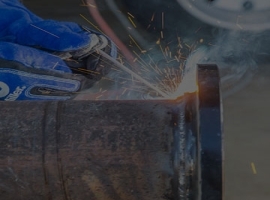
A stable, consistent electric arc is essential for a smooth welding operation. The flux coating contains arc stabilizers, typically easily ionized compounds like potassium and sodium silicates. These elements create a path of low electrical resistance in the arc gap, making it easier to initiate and maintain the arc. A stable arc results in less spatter, better control over the weld pool, and a more consistent transfer of molten metal from the electrode to the workpiece.
Alloying and Mechanical Properties
The flux is a sophisticated delivery system for adding specific metallic elements to the weld metal. By including powdered metals and ferro-alloys (e.g., ferromanganese, ferrosilicon) in the coating mixture, manufacturers can precisely control the final chemical composition of the weld deposit. This allows for:
- Strengthening: Adding elements like manganese and silicon enhances the strength and toughness of the weld.
- Corrosion Resistance: Incorporating chromium and nickel can produce a stainless steel deposit.
- Compensation for Loss: The process can compensate for alloying elements that might be burned off in the high heat of the arc.
This function ensures that the mechanical properties of the finished weld (such as tensile strength and impact resistance) meet or exceed those of the base metal being joined.
Understanding the Composition of Flux Coatings
The precise formulation of a flux coating is a proprietary science, but the general categories of ingredients are well-established. Each component is chosen for its specific contribution to the welding process. At our 1000 square meter production facility, we source excellent raw materials like dolomite, bauxite, and cryolite, which are melted at temperatures up to 2000 °C to create the foundational components for our high-performance welding fluxes and coatings.
Common Ingredients and Their Roles
- Cellulose (C₆H₁₀O₅)n: Typically in the form of wood pulp or flour. When heated, it decomposes to produce a large volume of hydrogen and carbon monoxide, creating a powerful gas shield. This results in a forceful, deeply penetrating arc, ideal for all-position welding, particularly for root passes in pipes. Electrodes with high cellulose content are designated as E6010 or E6011.
- Rutile (Titanium Dioxide, TiO₂): A primary ingredient in the most common types of electrodes, such as the versatile aws e6013 welding electrodes. Rutile promotes a very smooth, stable arc, low spatter, and an easily detachable slag. It is excellent for general-purpose fabrication and produces a fine-rippled, aesthetically pleasing weld bead.
- Calcium Carbonate (CaCO₃) and Calcium Fluoride (CaF₂): These are the key ingredients in low-hydrogen (or basic) coatings, like those on E7018 electrodes. They produce a gas shield low in hydrogen content and a basic slag that is highly effective at cleaning the weld metal. This is critical for welding high-strength steels, thick sections, and materials susceptible to hydrogen-induced cracking.
- Silicates (Potassium Silicate, Sodium Silicate): These act as binders to hold the other powdered ingredients together and adhere them to the core wire. They also melt to form the slag and contribute to arc stabilization.
- Deoxidizers (Ferromanganese, Ferrosilicon): These are essential for removing oxygen from the molten weld pool, preventing porosity and ensuring a sound metallurgical structure.
- Alloying Elements: As mentioned, powdered metals are added to achieve specific mechanical properties in the final weld deposit.
How Does Flux Type Impact Welding Performance?
The choice of flux directly dictates how an electrode will perform and what applications it is suited for. A fabricator in Brazil working on structural steel will have different requirements than a maintenance team in Australia repairing heavy machinery. Understanding these differences is vital for efficiency and quality.
| Coating Type (AWS Class Example) | Primary Characteristic | Arc Penetration | Slag Type | Best For |
|---|---|---|---|---|
| Cellulosic (E6010) | Forceful, digging arc | Deep | Thin, friable | Pipe welding (root pass), dirty or rusty materials, all-position welding. |
| Rutile (E6013) | Smooth, soft arc | Light to Medium | Thick, easy to remove | General fabrication, sheet metal, aesthetically critical welds. |
| Low-Hydrogen (E7018) | Moderate arc, high deposition | Medium | Heavy, controlled | High-strength steels, thick sections, critical structural applications. |
| Iron Powder (E7024) | High deposition rate | Shallow | Very heavy, easy to remove | Flat and horizontal fillet welds, high-volume production. |
Common Issues Related to Flux Coatings and How to Prevent Them
The performance of a coated electrode is highly dependent on the condition of its flux. Improper handling or storage can compromise its integrity and lead to significant weld defects.
Moisture Absorption
This is the most critical issue, especially for low-hydrogen electrodes (E7018). The basic coatings are hygroscopic, meaning they readily absorb moisture from the atmosphere. When welding with a damp electrode, this moisture breaks down in the arc, releasing hydrogen into the weld pool. This can cause hydrogen-induced cracking, a dangerous defect that may not be visible until hours or days after welding.
Prevention:
- Store low-hydrogen electrodes in hermetically sealed containers until use.
- Once opened, store them in a heated electrode oven at the manufacturer's recommended temperature.
- If electrodes have been exposed to moisture, they may be re-baked according to specific time and temperature guidelines. Always consult the manufacturer's data sheet.
Coating Damage
Cracks, chips, or flaking of the flux coating can lead to serious problems. A damaged section of the coating will result in a loss of shielding, an unstable arc, and potential contamination of the weld at that point. This can create porosity and slag inclusions, weakening the joint.
Prevention:
- Handle electrodes with care. Do not bend them excessively or drop the carton.
- Inspect each electrode before use. Discard any with significant damage to the coating.
Selecting the Right Coated Electrode for Your Application
Choosing the correct electrode involves considering several factors related to the job at hand. Making the right choice upfront saves time, reduces rework, and ensures the finished product meets engineering specifications.
- Base Metal Properties: The primary rule is to match the mechanical properties (especially tensile strength) of the electrode to the base metal. For example, use an E70xx electrode for steel with a 70,000 psi tensile strength.
- Welding Position: Not all electrodes are suitable for all positions. The third digit in the AWS classification indicates the usable positions (e.g., '1' in E7018 means all positions; '2' in E7024 means flat and horizontal only).
- Power Source: Check if the electrode is designed for AC, DC positive (DCEP), or DC negative (DCEN) polarity. Using the wrong polarity will result in poor arc characteristics and weld quality. This information is directly tied to the capabilities of your welding machine.
- Joint Design and Fit-Up: For tight-fitting joints that require deep penetration, a cellulosic electrode like E6010 is ideal. For joints with poor fit-up, a higher-fill electrode might be a better choice.
- Service Conditions: Consider the environment the final product will be in. Will it be subject to low temperatures, high stress, or dynamic loading? For critical applications, a low-hydrogen electrode is almost always the required choice.
By carefully evaluating these factors, you can confidently select the optimal consumable for any project. For businesses in our key markets like Thailand and Malaysia, sourcing the right high-quality welding materials is a critical step in maintaining a competitive edge in fabrication.
As a manufacturer with a production capacity of 100 tons a day and a low minimum order quantity of just 1 ton, we are equipped to supply industrial partners with the consistent, high-performance electrodes they need to succeed. The integrity of your structure begins with the quality of the weld, and the quality of the weld begins with the right electrode and its meticulously engineered flux coating.