
Electrode Flux Coating: A Guide to Arc Stability Ingredients
Understanding How Electrode Flux Coating Ingredients Influence Arc Stability
In Shielded Metal Arc Welding (SMAW), the quality and consistency of the final weld are not determined by the core wire alone. The often-overlooked coating on the electrode is a complex, engineered system responsible for a multitude of critical functions. For welding engineers and fabrication managers, a deep understanding of the electrode flux coating is paramount for diagnosing performance issues, optimizing procedures, and ensuring the mechanical integrity of welded joints. The stability of the welding arc, in particular, is directly governed by the chemical composition of this coating. A stable arc translates to a smoother bead, reduced spatter, consistent penetration, and ultimately, a more efficient and reliable welding operation.
This technical guide delves into the specific ingredients within the flux and explains how each component contributes to—or detracts from—arc stability. By understanding this intricate chemical balance, technical teams can make more informed decisions when selecting consumables for demanding applications. This knowledge is crucial for ensuring that the chosen electrode performs predictably and effectively, from the first spark to the final pass. As a manufacturer committed to quality, we recognize that consistent performance starts with premium raw materials and a meticulously controlled production process.
The Fundamental Functions of a Flux Coating in SMAW
Before examining individual ingredients, it's essential to appreciate the multifaceted role of the flux coating. When the arc is initiated, the intense heat causes the coating to decompose, performing several simultaneous actions that are vital for creating a sound weld. Without these functions, arc welding as we know it would be impossible, resulting in porous, brittle, and heavily oxidized welds.
Gas Shielding
The primary function is to shield the molten weld pool from atmospheric contamination. The intense heat of the arc (upwards of 6,000°C) makes the molten metal highly reactive with oxygen and nitrogen in the air. This reaction, known as oxidation and nitriding, leads to severe porosity and embrittlement, catastrophically compromising the weld's strength. Ingredients in the flux, such as cellulose and carbonates, decompose to generate a protective cloud of gases (e.g., carbon dioxide, carbon monoxide, hydrogen) that displaces the ambient air, creating a localized inert atmosphere around the arc and weld pool.
Slag Formation
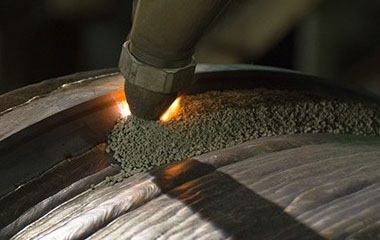
As the flux melts, it forms a liquid slag that is less dense than the molten steel, allowing it to float on top of the weld pool. This slag layer serves multiple purposes. It continues to protect the cooling metal from the atmosphere after the arc has moved on. It also helps to shape the weld bead, influencing its contour and final appearance. Furthermore, the slag acts as a fluxing agent, reacting with and absorbing impurities like oxides and sulfides from the molten metal, effectively cleaning the weld. The slag's cooling rate also influences the metallurgical properties of the weld metal, and its ease of removal (detachability) is a key factor in welder productivity.
Deoxidation
Even with gas shielding, some oxygen can enter the weld pool. Deoxidizing elements, primarily ferro-alloys like ferromanganese and ferrosilicon, are included in the coating. These elements have a higher affinity for oxygen than iron does. They react with dissolved oxygen to form stable oxides that are then absorbed into the slag, preventing the formation of porosity (wormholes) and ensuring the mechanical toughness of the weld deposit.
Arc Ionization
Perhaps most critical to the topic of arc stability, the flux contains ionizing agents. For an electric arc to be sustained, the gap between the electrode and the workpiece must be electrically conductive. This is achieved by creating a plasma of ionized gas. Certain mineral compounds in the flux have a low ionization potential, meaning they readily release electrons when heated. These compounds create a stable, conductive path for the welding current, ensuring the arc remains smooth and consistent, preventing it from extinguishing or wandering erratically.
Key Ingredient Categories and Their Direct Impact on Arc Performance
The specific blend of minerals, metals, and binders in an electrode flux coating is a carefully guarded formulation, tailored to achieve specific performance characteristics. These ingredients can be grouped into several functional categories, each playing a distinct role in controlling the arc.
Arc Stabilizers (Ionizers)
These are the primary drivers of arc stability. They are alkaline earth metals or alkali metal compounds that readily ionize in the heat of the arc.
- Potassium Compounds (e.g., Potassium Silicate): These are powerful arc stabilizers essential for electrodes designed to operate on AC power. AC current passes through zero 100 or 120 times per second, effectively extinguishing and re-igniting the arc with each cycle. Potassium's low ionization energy ensures the arc gap remains conductive enough to re-establish the arc smoothly after each zero crossing, preventing "arc-outages."
- Sodium Compounds (e.g., Sodium Silicate): Similar to potassium, sodium is an effective ionizer. It is more commonly found in electrodes designed for DC operation, where the current polarity is constant. It helps maintain a smooth, steady arc but is less effective than potassium for AC applications.
- Titanium Dioxide (Rutile): While primarily a slag former, rutile (TiO₂) has excellent arc-stabilizing properties. It produces a soft, quiet, and easily controlled arc, which is why rutile-based electrodes like the popular aws e6013 welding electrodes are favored for general-purpose fabrication. They are easy for less experienced welders to use and produce a fine spatter pattern.
Gas Formers
These organic and inorganic materials decompose to create the shielding gas envelope. The type of gas produced significantly affects arc characteristics.
- Cellulose (C₆H₁₀O₅)n: This organic compound (essentially wood pulp) decomposes to produce a significant volume of hydrogen and carbon monoxide. The forceful expulsion of these gases creates a digging, deeply penetrating arc. This makes cellulosic electrodes (e.g., E6010, E6011) ideal for applications like pipeline welding, where complete root penetration is critical. However, the hydrogen produced makes these electrodes unsuitable for welding high-strength, crack-sensitive steels unless proper procedures are followed. The arc is also notoriously harsh and produces a high level of spatter.
- Carbonates (e.g., Calcium Carbonate CaCO₃, Dolomite): These compounds break down to produce carbon dioxide (CO₂). This creates a protective shield with a less forceful action than cellulose, resulting in a smoother arc with lower spatter and more moderate penetration. Carbonates are a key ingredient in low-hydrogen electrodes (e.g., E7018), providing shielding without introducing hydrogen into the weld pool.
Slag Formers and Fluidity Modifiers
These minerals form the protective slag blanket and control its properties, which indirectly affects the arc.
- Silica (Silicon Dioxide, SiO₂) and Manganese Oxide (MnO): These are acidic slag formers. They combine to form manganese silicate, a slag with good fluidity and impurity-scavenging capabilities. They help produce a clean weld metal.
- Fluorspar (Calcium Fluoride, CaF₂): This is a powerful fluxing agent and a key ingredient in basic, low-hydrogen electrode coatings. It increases the fluidity of the slag, allowing gases to escape more easily from the weld pool, which helps prevent porosity. It also produces a basic slag that is highly effective at removing sulfur and phosphorus impurities. However, it can lead to a less stable arc compared to rutile, requiring more skill from the operator.
- Titanium Dioxide (Rutile, TiO₂): As mentioned, rutile is an excellent arc stabilizer. It also produces a viscous, fast-freezing slag. This is highly beneficial for welding in vertical or overhead positions, as the slag helps to hold the molten metal in the joint against gravity.
Balancing the Formulation for Specific Applications
No single ingredient works in isolation. The art of creating a high-performance electrode flux coating lies in balancing these components to achieve a desired outcome. The AWS classification system provides a clear roadmap of these formulations.
- F1 Group (e.g., E6010): High cellulose, deep penetration, forceful arc. Designed for DC+ operation.
- F2 Group (e.g., E6013): High rutile, soft arc, moderate penetration, all-position capability. Excellent for AC and DC operation on general fabrication tasks.
- F3 Group (e.g., E7014): Rutile with iron powder. Similar to F2 but with higher deposition rates due to the iron powder in the coating, which becomes part of the weld deposit.
- F4 Group (e.g., E7018): Low-hydrogen, high iron powder, basic coating with limestone and fluorspar. Requires more operator skill but produces high-quality, crack-resistant welds on structural steels.
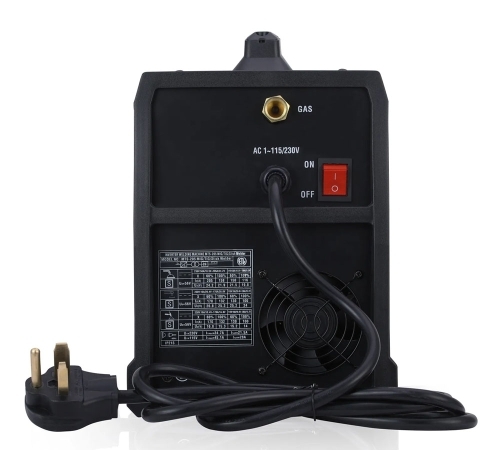
Choosing the correct electrode requires matching the flux system to the base material, joint design, welding position, and available power source, such as a dedicated arc welding machine. An incorrect choice, like using a cellulosic electrode on a quench-and-tempered steel, can lead to hydrogen-induced cracking and catastrophic failure.
Quality Control: From Raw Ore to Final Electrode
The consistent performance of an electrode is wholly dependent on the quality and precise proportioning of its flux ingredients. Inconsistent raw materials or variations in the manufacturing process can lead to unstable arcs, porosity, slag inclusions, and unpredictable mechanical properties. This is why a robust quality management system is non-negotiable for any serious manufacturer of welding materials.
At Oldwelders, our commitment to quality begins with sourcing excellent raw materials, including dolomite, bauxite, cryolite, silica, and fluorine ore. These ores are processed and melted at temperatures reaching 2000°C to ensure purity and create the foundational components for our flux systems. Our entire manufacturing process is governed by an ISO 9001 certified quality management system, ensuring every batch meets stringent specifications. With six production lines in our 1000-square-meter facility, we have the capacity to supply up to 100 tons of product per day, meeting the large-volume needs of industrial clients in markets from Brazil and Malaysia to Australia and Thailand.
For large-scale projects, consistency is key. Our minimum order quantity of 1 ton and standard 30-day lead time allow fabrication managers to plan their consumable supply chain with confidence, knowing that the 100th box of electrodes will perform identically to the first. This reliability, rooted in a deep understanding of the chemistry of the electrode flux coating, is what separates a premium consumable from a standard one, directly impacting the productivity and quality of your welding operations.