
Electrode Factory: Understanding Cost Drivers Per Ton
How a Professional Electrode Factory Determines Cost Per Ton
For procurement managers and operations directors, understanding the cost structure of welding consumables is crucial for accurate budgeting and effective supplier evaluation. When you receive a quotation for welding electrodes, the price per ton is not an arbitrary figure. It is the result of a complex calculation involving raw materials, manufacturing efficiency, quality assurance, and logistics. As an experienced electrode factory serving global markets, we believe in transparency. This guide breaks down the key factors that influence the final cost, helping you make more informed purchasing decisions.
Choosing a supplier is about more than just finding the lowest price; it's about securing a reliable partner who can consistently deliver a quality product that meets your specifications. A price that seems too good to be true often comes with hidden compromises in material quality or process control, which can lead to costly weld failures and rework down the line.
The Foundation of Performance: Raw Material Quality and Cost
The single largest driver of welding electrode cost is the raw materials. The quality and composition of these materials directly impact the electrode's performance, including arc stability, slag detachability, and the mechanical properties of the finished weld. A reputable supplier will never compromise on this fundamental aspect.
Core Wire and Flux Coating Composition
An electrode consists of a metal core wire and a flux coating. The cost of the core wire fluctuates with the global steel market. However, the real complexity and cost variation lie in the flux coating. This carefully formulated mixture is what defines the electrode's characteristics.
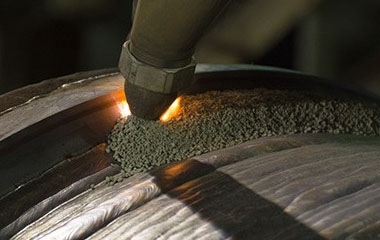
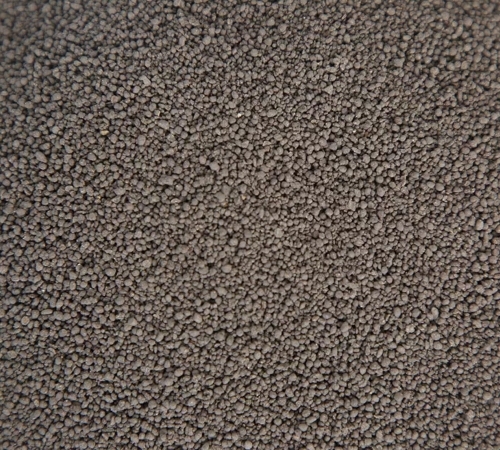
At Oldwelders, our flux products are produced from a blend of premium raw materials, including dolomite, bauxite, cryolite, silica, and fluorine ore. Each component is selected for its specific properties. For example:
- Dolomite and Bauxite: These act as slag formers, protecting the molten weld pool from atmospheric contamination.
- Cryolite and Fluorine Ore: These elements help in arc stabilization and influence the viscosity of the slag.
- Silica: A primary glass-former that contributes to the slag's protective qualities and final appearance.
These high-quality ores are melted at extremely high temperatures of 2000°C to ensure purity and create a homogenous, high-performance fused flux. The sourcing, processing, and refining of these specific minerals are significant cost factors. Global supply chain dynamics, mining costs, and mineral purity all play a role in the final price you see on a quotation.
Manufacturing Efficiency and Economies of Scale
Once the raw materials are sourced, the manufacturing process itself introduces another set of cost variables. The efficiency, technology, and scale of an electrode factory play a pivotal role in determining the final cost per ton. An operation with modern equipment and optimized processes can produce higher quality electrodes at a more competitive price.
Production Capacity and Technology
A larger, more automated facility benefits from economies of scale. At Oldwelders, our plant covers an area of 1000 square meters and is equipped with six modern production lines. This infrastructure allows us to achieve a significant daily output, with the capacity to supply up to 100 tons a day. This high volume spreads fixed costs—such as facility maintenance, energy, and administrative overhead—over a larger number of units, reducing the cost per ton.
The technology used in processes like wire drawing, flux mixing, extrusion, and baking is also critical. Advanced machinery leads to better consistency, tighter tolerances, and less material waste, all of which contribute to cost control. The high-temperature melting process, for instance, is energy-intensive and requires specialized furnaces, representing a substantial operational cost that is factored into the product price.
Labor and Automation
Skilled labor is essential for quality control and machine operation. The cost of labor varies by region, but a well-run electrode factory balances skilled human oversight with automation. Automation in material handling, extrusion, and packaging can significantly improve efficiency and reduce the potential for human error, leading to both cost savings and a more consistent product.
The Price of Reliability: Quality Assurance and Certifications
A reliable weld is a safe weld. The costs associated with a comprehensive quality management system are a necessary investment that separates premium suppliers from the rest. While these measures add to the production cost, they provide an invaluable return by preventing catastrophic failures and ensuring product consistency.
ISO 9001 and Other Certifications
Certifications are a clear indicator of a manufacturer's commitment to quality. Oldwelders is an ISO 9001 certified company, which means our processes are subject to rigorous, internationally recognized standards for quality management. Maintaining this certification involves regular audits, process documentation, and continuous improvement initiatives. These activities have an associated cost, but they guarantee that every batch of electrodes we produce, such as our popular aws e6013 welding electrodes, adheres to the same high standards.
Rigorous Testing Protocols
From raw material intake to final product packaging, multiple testing stages are essential. This includes:
- Chemical Analysis: Verifying the composition of the core wire and flux to ensure they meet specifications.
- Mechanical Testing: Performing tensile, impact, and hardness tests on weld deposits to confirm they meet required strength and durability standards.
- Moisture Content Testing: Ensuring electrodes are properly baked and packaged to prevent moisture absorption, which can cause porosity and hydrogen-induced cracking.
Each test requires specialized equipment and trained technicians, contributing to the overall cost. However, this investment in quality control is non-negotiable for any serious electrode factory aiming to serve industrial clients in demanding sectors.
Logistics, Packaging, and Commercial Terms
The final piece of the cost puzzle involves getting the finished product from the factory floor to your facility. These logistical and commercial factors can significantly impact the total landed cost per ton.
Packaging for Protection
Welding electrodes are sensitive to moisture. Inadequate packaging can render an entire shipment useless. Proper packaging involves vacuum-sealing electrodes in plastic, placing them in sturdy cardboard boxes, and then shrink-wrapping them onto pallets. This multi-layer approach protects against humidity and physical damage during transit, but the materials and machinery involved add to the cost. For international clients in markets like Brazil, Thailand, Australia, and Malaysia, robust packaging is even more critical to withstand long sea voyages.
Order Volume and Lead Time
Commercial terms directly influence pricing. At Oldwelders, we have a Minimum Order Quantity (MOQ) of 1 ton. This allows us to optimize production runs and offer more competitive pricing. Larger orders often benefit from lower per-ton costs due to efficiencies in scheduling, raw material purchasing, and logistics. Our standard lead time is 30 days, which enables us to plan production efficiently. While rush orders may sometimes be accommodated, they can disrupt scheduling and may incur additional costs.
Freight and Shipping
For international buyers, freight is a major component of the final cost. The price of container shipping, fuel surcharges, tariffs, and customs clearance fees all contribute to the landed cost. An experienced exporter can help navigate these complexities and optimize shipping routes to manage costs effectively, but these external market forces will always be a significant factor in your final price per ton.
Choosing a Transparent Electrode Factory Partner
When you evaluate a quotation, look beyond the bottom-line number. A transparent quote from a knowledgeable electrode factory partner should reflect the value built into the product—from the high-grade raw materials to the certified manufacturing processes and protective packaging. The initial cost of a premium electrode is an investment in weld integrity, operational efficiency, and peace of mind.
At Oldwelders, we provide a full spectrum of welding solutions, from a diverse range of welding materials to the advanced equipment needed to apply them, including our robust welding machine lineup. We are committed to providing our clients with not only superior products but also the knowledge to understand their value. Contact us today to discuss your requirements and receive a detailed, transparent quotation for your next project.