
Choosing a Flux Recovery Unit for SAW
How to Choose a Flux Recovery Unit for SAW?
For any professional involved in Submerged Arc Welding (SAW), optimizing efficiency, ensuring weld quality, and managing operational costs are paramount. A critical component in achieving these goals is the selection of an appropriate welding fluxes recovery system. This guide will walk you through the essential considerations for choosing the right Flux Recovery Unit for your SAW operations, helping production managers make informed decisions before requesting supplier quotations.
Understanding the Role of a Flux Recovery Unit in SAW
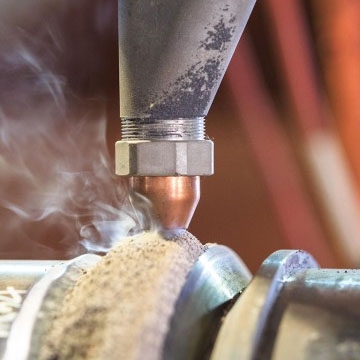
Submerged Arc Welding is renowned for its high deposition rates and deep penetration, making it ideal for heavy fabrication across various industries. During the SAW process, a granular flux covers the arc, protecting the weld pool from atmospheric contamination. However, only a fraction of this flux is consumed, leaving a significant amount of unused, un-fused flux mixed with slag, dust, and fines.
This is where a Flux Recovery Unit becomes indispensable. Its primary function is to collect the unused flux, separate it from impurities, and return the clean, reusable flux to the hopper for future use. The benefits of implementing such a system are multi-faceted:
- Cost Reduction: By recycling up to 80-90% of the unused flux, businesses can significantly cut down on material expenses. Given that flux can be a substantial operational cost, this translates to considerable savings.
- Improved Weld Quality: Contaminated flux can lead to porosity, inclusions, and other weld defects. A robust recovery unit ensures that only clean, high-quality flux is reused, maintaining consistent weld integrity.
- Enhanced Productivity: Automated flux recovery systems reduce manual handling, minimizing downtime associated with cleaning and refilling flux hoppers.
- Environmental Responsibility: Reducing flux waste aligns with sustainable manufacturing practices, lowering the environmental footprint of welding operations.
- Cleaner Work Environment: Effective dust collection integrated into recovery units improves air quality and worker safety.
Key Factors for Selecting a Flux Recovery Unit
Choosing the optimal Flux Recovery Unit requires careful consideration of several technical and operational factors. Evaluating these aspects will ensure the unit integrates seamlessly with your existing setup and delivers maximum value.
Production Volume and System Capacity
The scale of your welding operations directly influences the required capacity of your recovery unit. High-volume production lines operating continuously will demand a more robust system with a larger collection capacity and higher processing rates. Conversely, smaller workshops with intermittent welding might find a more compact, less powerful unit sufficient.
- Consider your peak flux consumption rate per hour or shift.
- Evaluate the storage capacity needed for recovered flux to avoid frequent emptying or refilling.
- Assess the conveying distance and height from the welding station to the recovery unit.
Oldwelders understands the diverse needs of industrial clients. Our commitment to supporting efficient operations is reflected in our robust manufacturing capabilities. Our plant, covering an area of 1000 square meters, houses six production lines, enabling us to supply up to 100 tons of high-quality welding materials daily. This scale allows us to meet substantial demands, including for essential consumables like flux.
Flux Type and Characteristics
Not all welding fluxes are created equal, and their characteristics profoundly impact recovery system design. Fluxes vary in particle size, density, and friability (tendency to break down). Fused fluxes, for instance, are generally more robust and easier to recover than agglomerated or bonded fluxes, which can be more prone to breaking down into fines.
- Particle Size Distribution: Systems must be capable of effectively separating fines from reusable granular flux.
- Density: Affects pneumatic conveying efficiency and filter loading.
- Moisture Sensitivity: Some fluxes are hygroscopic; the recovery unit should prevent moisture absorption.
At Oldwelders, we pride ourselves on the quality of our welding fluxes. The raw materials used in our flux products are meticulously selected, including excellent dolomite, bauxite, cryolite, silica, and fluorine ore. These are melted at an extreme temperature of 2000 °C to create fluxes that offer superior performance and consistent quality, which in turn contributes to more effective flux recovery.
Filtration Efficiency and Contaminant Removal
The core function of a Flux Recovery Unit is to deliver clean flux. The efficiency of its filtration system in removing slag particles, metal fines, dust, and very fine flux particles is critical for maintaining weld quality. Poor filtration can lead to a build-up of impurities in the recycled flux, compromising subsequent welds.
- Screening Mechanisms: Vibrating screens or sieves are common for removing larger slag particles.
- Magnetic Separation: Essential for removing ferrous metal particles that can cause inclusions.
- Dust Collectors/Cyclones: To separate fine dust and very small flux particles that, if reused, could cause porosity.
Ease of Operation and Maintenance
A recovery unit should be designed for user-friendliness and minimal maintenance to maximize uptime. Complex systems can lead to operator errors and increased labor costs.
- Intuitive Controls: Easy-to-understand interfaces.
- Accessibility: Simple access for cleaning, filter replacement, and inspection.
- Reliability: Robust construction minimizes breakdowns and extends service life.
Durability and Construction Materials
Industrial welding environments are often harsh. The recovery unit must be constructed from durable materials capable of withstanding abrasive flux, high temperatures, and continuous operation. Stainless steel components may be preferred in certain applications for corrosion resistance.
Energy Efficiency
Operating costs extend beyond initial purchase. Consider the power consumption of the vacuum pump, motors, and other components. Energy-efficient designs can lead to significant long-term savings.
Safety Features
Ensure the unit complies with relevant safety standards. Features such as emergency stops, overload protection, and dust explosion prevention (for combustible dusts) are crucial for operator safety.
Types of Flux Recovery Systems
Flux recovery systems broadly fall into a few categories based on their collection and conveying mechanisms:
Vacuum-Based Systems
These are the most common and versatile systems. A powerful vacuum pump creates suction, drawing unused flux from the welding zone through hoses and into a collection hopper. The flux then passes through a series of screens and filters for purification.
- Pros: Highly efficient for collecting flux from various welding positions, clean operation, flexible hose routing.
- Cons: Can be energy-intensive, filter maintenance is critical.
Mechanical Conveying Systems
These systems often use screw conveyors, belt conveyors, or bucket elevators to transport flux. They are typically integrated into larger, automated welding lines, such as those employing an automatic welding machine.
- Pros: Robust, can handle large volumes, lower energy consumption than vacuum for long distances.
- Cons: Less flexible for collection points, more moving parts, potential for flux attrition.
Integrated vs. Standalone Units
Some welding machines, particularly automated gantries, may have an integrated Flux Recovery Unit as part of their design. Others require a standalone unit that can be positioned near the welding station or centrally to serve multiple stations.
- Integrated: Space-saving, often optimized for the specific machine.
- Standalone: Greater flexibility, can be moved between workstations, easier to upgrade independently.
Oldwelders' Commitment to Quality and Support
At Oldwelders, we understand the complexities of industrial welding and the importance of reliable equipment and materials. While we specialize in high-quality welding consumables and machinery, our commitment extends to ensuring our customers achieve optimal performance across their entire welding process.
Our Manufacturing Excellence
We adhere to stringent quality standards, evidenced by our ISO 9001 certification. This commitment to quality permeates every aspect of our operations, from the sourcing of raw materials for our submerged arc welding flux hj431 to the manufacturing of our advanced welding machine range. Our extensive manufacturing facility, spanning 1000 square meters with six production lines, is designed for both scale and precision, ensuring we can meet the demands of our global clientele with products that perform consistently.
Global Reach and Customer Focus
We are proud to serve a diverse international market, with significant presence in regions such as Brazil, Thailand, Australia, and Malaysia. Our experience in these varied markets has given us deep insights into different operational requirements and preferences. When partnering with Oldwelders, you can expect reliable service, including production lead times that typically range around 30 days, ensuring your projects stay on schedule. We also accommodate various project sizes, with a minimum order quantity (MOQ) of 1 ton for many of our flux products, making our solutions accessible to a wide range of businesses.
Partnering for Optimal Welding Solutions
Selecting the right Flux Recovery Unit is an investment that pays dividends in efficiency and quality. By understanding your specific operational demands and the characteristics of your welding fluxes, you can choose a system that not only saves costs but also elevates your overall welding performance. Oldwelders is dedicated to providing not just superior welding consumables, but also the knowledge and support to help you make these critical equipment decisions. Our expertise in welding technology allows us to offer comprehensive solutions, ensuring that every component of your welding process, including supporting equipment like a Flux Recovery Unit, contributes to your success.
Conclusion
The choice of a Flux Recovery Unit for your Submerged Arc Welding operations is a strategic decision that impacts efficiency, quality, and cost-effectiveness. By carefully evaluating factors such as production volume, flux type, filtration efficiency, ease of maintenance, and system durability, you can select a unit that seamlessly integrates into your workflow and delivers long-term benefits. Oldwelders stands ready as your knowledgeable partner, providing high-quality welding materials and insights to help you optimize every aspect of your welding processes.