
Choosing Welding Supplies for Your Fabrication Shop
How to Choose the Right Welding Supplies for a Fabrication Shop
For any procurement manager overseeing a fabrication shop, the selection of appropriate welding materials and equipment is paramount. It directly impacts project quality, operational efficiency, and overall profitability. The vast array of options available, from advanced machines to specialized consumables, necessitates a structured approach to ensure every purchase aligns with the shop's unique demands and long-term objectives. This guide will walk you through the critical considerations for selecting top-tier welding supplies, ensuring your operations remain robust and competitive.
Understanding Your Fabrication Shop's Needs
Before delving into specific product categories, a thorough assessment of your fabrication shop's operational profile is essential. This foundational step ensures that every investment in welding supplies is strategic and yields maximum return.
Project Type and Material Compatibility
The nature of your projects dictates the type of welding processes and materials required. Are you primarily working with carbon steel, stainless steel, aluminum, or exotic alloys? Each material and application—be it structural fabrication, pipe welding, or intricate component assembly—demands specific welding machine types, wires, rods, and fluxes. Compatibility is not merely about achieving a weld; it's about ensuring the weld meets the required mechanical properties, aesthetic standards, and longevity for the end-use application.
Production Volume and Efficiency
High-volume production environments demand equipment and consumables that prioritize speed, consistency, and minimal downtime. Consider the duty cycle of welding machines, the feed rates of solid wire, and the deposition rates of electrodes. Shops with fluctuating demands might benefit from versatile equipment capable of handling various tasks. Efficiency also extends to the ease of use and maintenance of the equipment, directly influencing labor costs and operational flow.
Safety and Compliance Standards
Adherence to industry safety standards and regulatory compliance is non-negotiable. This includes considering the safety features of welding equipment, proper ventilation requirements, and the environmental impact of consumables. Sourcing from suppliers who meet recognized quality standards, such as ISO 9001 certification, provides an assurance of consistent product quality and process reliability, contributing significantly to a safer and compliant work environment.
Key Categories of Welding Supplies
The core of any fabrication shop's inventory revolves around three primary categories: welding machines, welding wires and rods, and welding fluxes. Each plays a distinct role in the welding process and requires careful consideration.
Welding Machines
The welding machine is the heart of your operation. Oldwelders offers a comprehensive range, each designed for specific applications:
- Arc Welding Machines: These are foundational for many shops, offering versatility for various metals and thicknesses. Options like MIG-MAG-TIG welding machines provide different capabilities, from high-speed production to precision work.
- Resistance Welding Machines: Ideal for spot, seam, and projection welding, often used in automotive and sheet metal fabrication for strong, consistent joints without filler material.
- High Grade Energy Welding Machines: For specialized applications requiring intense, focused energy, such as laser or electron beam welding, delivering extremely precise and clean welds.
- Special Welding Machines: Custom-engineered solutions for unique or complex welding challenges that standard machines cannot address.
- Plastic Welding Machines: Essential for industries working with thermoplastics, ensuring strong and leak-proof seams for applications ranging from automotive components to geomembranes. Oldwelders provides diverse plastic welding machine options to meet these needs.
- Automatic Welding Machines: These systems enhance productivity and consistency, reducing human error and increasing throughput for repetitive tasks, allowing for precise control and repeatability.
When selecting a machine, evaluate its power output, duty cycle (how long it can weld continuously within a 10-minute period), portability, and compatibility with your existing infrastructure. Investing in the right machine ensures optimal performance and longevity.
Welding Wires and Rods (Electrodes)
These consumables are critical for forming the weld joint and significantly influence the weld's mechanical properties and appearance.
- Welding Wires:
- Solid Wire: Typically used with shielding gas (MIG/MAG welding), offering high deposition rates and good weld quality. Available in various alloys to match base metals.
- Flux-Cored Wire: Contains a flux core that provides shielding, making it suitable for outdoor use or on dirty materials. Flux-cored wire offers excellent penetration and high deposition rates.
- Welding Rods (Electrodes): Coated metal rods used in Shielded Metal Arc Welding (SMAW). The coating provides shielding gas and flux. Different classifications, such as AWS E6013 welding electrodes, indicate specific characteristics like tensile strength, welding position, and type of current.
Consider the base material, required tensile strength, impact resistance, and welding position when choosing wires and rods. The diameter of the consumable also plays a role in penetration and deposition rates.
Welding Fluxes
Welding fluxes are essential for protecting the weld pool from atmospheric contamination, stabilizing the arc, and influencing the weld bead shape and mechanical properties. Oldwelders specializes in the production of high-quality welding fluxes.
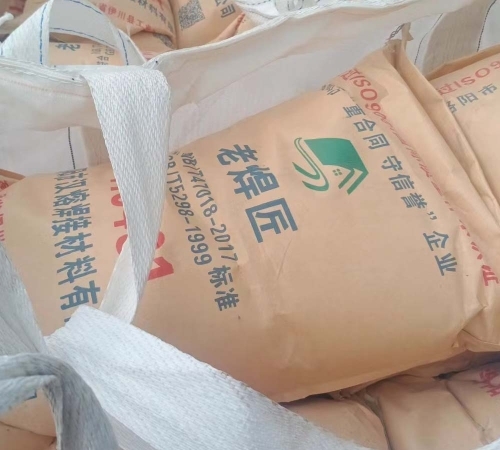
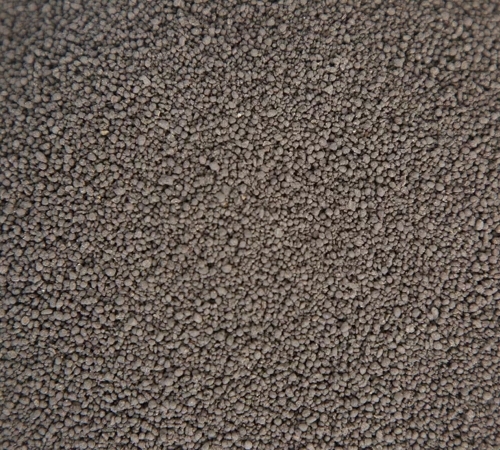
Our commitment to quality begins with the raw materials. We utilize excellent dolomite, bauxite, cryolite, silica, fluorine ore, and other carefully selected ores. These raw materials are melted at an extremely high temperature of 2000 °C, ensuring optimal purity and consistency in our flux products. For example, our submerged arc welding flux HJ431 is engineered for superior performance in demanding applications. Our substantial production capabilities include a plant covering an area of 1000 square meters, equipped with six production lines, enabling us to supply up to 100 tons of flux products daily. This extensive capacity ensures that we can meet the demands of large-scale industrial operations, with a minimum order quantity (MOQ) often starting from 1 ton to facilitate efficient bulk procurement.
Partnering with a Reliable Supplier for Your Welding Supplies
The choice of supplier is as critical as the choice of product. A dependable partner ensures consistent quality, timely delivery, and expert support.
Quality Assurance and Certifications
A reputable supplier will uphold stringent quality control measures. Oldwelders is proud to be an ISO 9001 certified manufacturer. This certification is not just a label; it signifies our unwavering commitment to maintaining the highest standards across all our processes, from raw material sourcing to final product delivery. For procurement managers, this translates into confidence that the welding supplies you receive will consistently meet specified performance and quality criteria, reducing risks and ensuring operational reliability.
Production Capacity and Lead Times
Understanding a supplier's production capacity is vital for managing inventory and project timelines. Oldwelders' robust infrastructure, including a 1000 square meter plant with six advanced production lines capable of producing 100 tons of flux products daily, underscores our ability to handle significant orders efficiently. Our standard lead time for most orders is 30 days, providing procurement managers with predictable scheduling and inventory management. This reliability is crucial for maintaining continuous production and avoiding costly delays in your fabrication shop.
Global Reach and Customer Support
A supplier with a global footprint can offer valuable insights into international market trends and provide localized support. Oldwelders proudly serves key markets including Brazil, Thailand, Australia, and Malaysia, among others. Our experience in these diverse regions enables us to understand and adapt to specific market requirements and logistical challenges. We are committed to providing professional, knowledgeable B2B support, assisting procurement managers with technical advice, product selection, and efficient order fulfillment.
Optimizing Your Procurement Process for Welding Supplies
Beyond selecting the right products and partners, an optimized procurement strategy is essential for long-term success.
Inventory Management Strategies
Effective inventory management prevents both shortages and overstocking. Implement strategies like just-in-time (JIT) delivery for frequently used consumables or maintain safety stock for critical, long-lead-time items. Analyze consumption patterns to forecast demand accurately. Partnering with suppliers who offer flexible delivery schedules and consistent lead times, such as Oldwelders' 30-day window, can significantly streamline your inventory process and reduce warehousing costs.
Cost-Benefit Analysis
The cheapest option is rarely the most economical in the long run. Conduct a comprehensive cost-benefit analysis that considers not just the purchase price of welding supplies but also factors like product lifespan, energy consumption, labor efficiency, rework rates, and potential warranty claims. High-quality consumables and machines, while potentially having a higher initial cost, often lead to superior weld quality, fewer defects, and greater overall productivity, providing substantial savings over time. Evaluate the total cost of ownership rather than just the upfront expense.
Conclusion
Choosing the right welding supplies for a fabrication shop is a multi-faceted decision that requires a deep understanding of your operational needs, the technical specifications of various products, and the reliability of your supplier. By carefully evaluating welding machines, wires, rods, and fluxes, and by partnering with a trusted manufacturer like Oldwelders, you can ensure your fabrication shop operates at peak efficiency and produces welds of the highest quality. Our commitment to ISO 9001 standards, extensive production capacity, and reliable global service make us an ideal partner for your ongoing welding supply needs, helping you maintain a competitive edge in the demanding fabrication industry.