
BFA Abrasive: Why It Breaks Down Too Fast
Understanding Why Your BFA Abrasive May Be Breaking Down Too Fast
For industrial blasting operations, the efficiency and cost-effectiveness of abrasive media are paramount. Brown Fused Alumina (BFA) abrasive is a widely favored choice due to its exceptional hardness, toughness, and angular shape, making it ideal for aggressive surface preparation, deburring, and coating removal. However, many operators frequently encounter an frustrating issue: their BFA abrasive seems to degrade and break down prematurely, leading to increased consumption, inconsistent surface profiles, and elevated operational costs. This common problem can stem from a variety of factors, ranging from incorrect operational parameters to issues with media reclamation and handling.
This article delves into the core reasons behind the rapid breakdown of BFA abrasive, providing a comprehensive guide for blasting operators to diagnose and correct inefficiencies within their processes. By understanding the intricate interplay of material properties, equipment settings, and environmental factors, you can significantly extend the lifespan of your abrasive media, achieve more consistent results, and reduce overall expenditure. Our aim is to equip you with the knowledge to optimize your blasting operations, ensuring that your investment in BFA abrasive delivers its full potential.
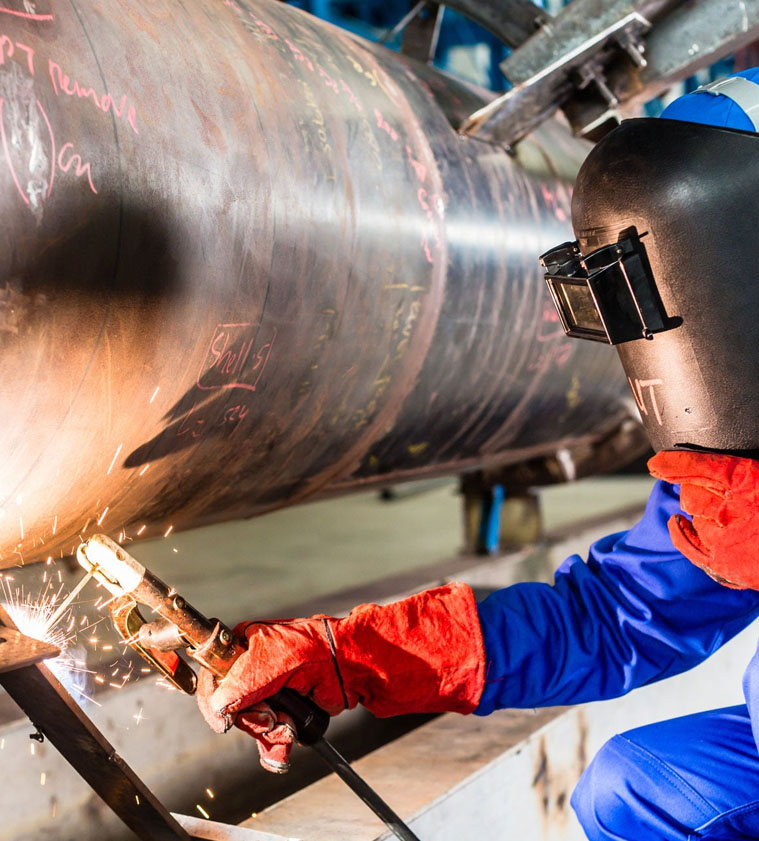
The Core Properties of BFA Abrasive and Its Intended Application
Brown Fused Alumina abrasive, often simply referred to as BFA, is a synthetic abrasive produced by fusing bauxite at extremely high temperatures in an electric arc furnace. This process creates a material with a high degree of hardness and specific gravity, making it incredibly durable and effective for demanding blasting applications. Its angular, blocky shape provides multiple cutting edges, enabling efficient removal of contaminants, rust, scale, and old coatings, while simultaneously creating an optimal anchor profile for subsequent finishes.
The inherent toughness of BFA abrasive is what makes it a preferred choice for applications requiring aggressive material removal and surface profiling on ferrous and non-ferrous metals, ceramics, and composites. It is designed to be highly resistant to fracture, allowing for multiple impact cycles before significant degradation. Despite these robust properties, the material is not indestructible. Its performance and longevity are intrinsically linked to how it is handled and applied within the blasting environment. Just as with the precision engineering required for robust welding machine, understanding the material science behind industrial consumables is crucial for optimal results.
At Oldwelders, our commitment to quality in welding fluxes and other welding materials is built on a foundation of rigorous material science, similar to the principles that ensure the durability of high-performance abrasives. For instance, the raw materials for our flux products, such as excellent dolomite, bauxite, cryolite, silica, and fluorine ore, are melted at 2000 °C to achieve superior properties. This dedication to material integrity is a benchmark for industrial performance across various sectors, including abrasive blasting.
Critical Factors Contributing to Premature BFA Abrasive Degradation
The premature breakdown of BFA abrasive is rarely attributable to a single cause. More often, it is the result of a combination of operational inefficiencies and environmental stressors. Identifying these contributing factors is the first step toward implementing effective corrective actions.
Incorrect Blasting Pressure and Media Velocity
One of the most common culprits behind rapid abrasive breakdown is the use of excessively high blasting pressure. While higher pressure might seem to equate to faster cleaning, it dramatically increases the velocity and kinetic energy of the BFA abrasive particles upon impact. When particles strike the substrate with too much force, the likelihood of immediate fracture increases significantly, rather than just progressive wear. This leads to a higher percentage of fines being generated, which are then lost from the working mix or contaminate the system.
- Excessive Impact Force: Particles shatter on impact instead of deforming or eroding gradually.
- Increased Fines Production: Smaller, less effective particles are created, reducing cleaning efficiency and increasing dust.
- Decreased Recyclability: The working mix quickly becomes depleted of usable abrasive, requiring more frequent replenishment.
Conversely, pressure that is too low can also be inefficient, extending blast times and leading to more passes, which can still contribute to wear. Finding the optimal pressure—one that delivers effective cleaning without overstressing the abrasive—is crucial for maximizing the lifespan of your BFA abrasive.
Suboptimal Nozzle Selection and Wear Patterns
The nozzle is the final point of control for the abrasive stream, and its characteristics profoundly influence abrasive life. The material, design, and condition of the nozzle directly affect the velocity, pattern, and consistency of the abrasive stream.
- Nozzle Material: Harder nozzle materials like boron carbide or tungsten carbide resist wear better, maintaining a consistent stream. Softer materials wear quickly, changing the stream pattern and potentially causing abrasive particles to impact the nozzle walls, leading to premature fracture.
- Nozzle Bore Wear: As the nozzle bore wears and enlarges, the air pressure drops, and the abrasive stream becomes less focused and more diffused. This can reduce impact efficiency and cause abrasive particles to collide with each other or the walls of the blast cabinet, leading to shattering.
- Nozzle Type: Venturi nozzles are designed to accelerate abrasive particles more efficiently, but if not paired with appropriate pressure and abrasive flow, they can exacerbate breakdown if the particles are traveling too fast.
Regular inspection and timely replacement of worn nozzles are essential for maintaining consistent blasting performance and extending the life of your BFA abrasive.
Ineffective Media Reclamation and Classification Systems
A closed-loop blasting system relies heavily on an efficient media reclamation and classification system to separate reusable abrasive from fines, dust, and contaminants. If this system is malfunctioning or inadequately designed, it can severely impact abrasive longevity.
- Contamination: Foreign debris, such as rust particles, paint chips, or scale from the workpiece, can mix with the clean abrasive. These contaminants are often softer and can "cushion" impacts or cause irregular wear patterns on the BFA abrasive particles.
- Fines Accumulation: If the classifier fails to remove sufficient fines (small, broken abrasive particles), they will remain in the working mix. Fines reduce blasting efficiency, create more dust, and can prematurely wear down larger, usable abrasive particles through attrition.
- Oversized Particle Retention: Conversely, if the system retains oversized particles or agglomerations, they can clog nozzles and lead to inconsistent blasting.
A well-maintained and correctly calibrated reclamation system is vital for ensuring that only effective, appropriately sized BFA abrasive returns to the blast pot, thereby maximizing its useful life.
Workpiece Characteristics and Impact Angle
The material, hardness, and geometry of the workpiece also play a significant role in how BFA abrasive performs and degrades. Blasting very hard substrates, for example, puts more stress on the abrasive particles, increasing the likelihood of fracture.
- Substrate Hardness: Blasting harder materials like hardened steel or ceramics places greater stress on the abrasive, leading to faster wear and breakdown compared to softer substrates.
- Surface Geometry: Workpieces with complex shapes, sharp angles, or internal cavities can cause abrasive particles to ricochet at unusual angles or impact each other, contributing to premature fracture. Abrasive striking a surface at a very acute angle can also lead to more direct impact stress rather than a 'cutting' action.
- Coating Type and Thickness: Removing tough, thick coatings can also accelerate abrasive wear.
Understanding the interaction between the BFA abrasive and the workpiece allows operators to adjust parameters, such as blast pressure and standoff distance, to optimize abrasive life without compromising cleaning effectiveness.
Improper Abrasive Storage and Handling
Even before it enters the blasting system, how BFA abrasive is stored and handled can affect its integrity and performance.
- Moisture Absorption: While BFA abrasive itself is not highly hygroscopic, exposure to moisture can lead to clumping, which can hinder flow, cause blockages in the blast system, and potentially reduce individual particle integrity.
- Contamination During Storage: Storing abrasive in open containers or in environments with airborne dust and debris can introduce contaminants into the clean media, which then enters the blasting system.
- Rough Handling: Dropping or mishandling bags or containers of abrasive can cause particles to fracture even before use, reducing their initial effectiveness.
Proper storage in dry, sealed containers and careful handling are simple yet effective measures to preserve the quality of your BFA abrasive.
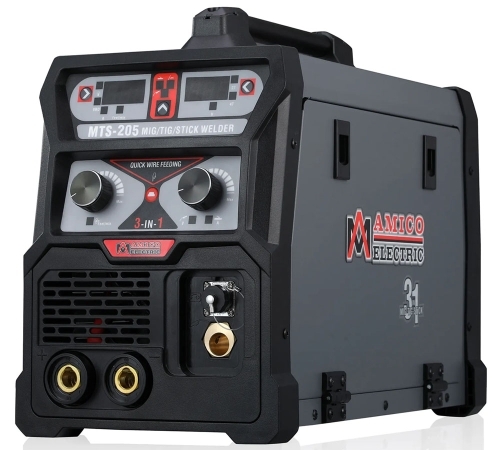
Strategies for Assessing and Optimizing BFA Abrasive Performance
To combat premature BFA abrasive breakdown, a systematic approach to assessment and optimization is required. This involves regular monitoring, equipment maintenance, and operator training.
Regular Abrasive Analysis and Monitoring
Consistent analysis of the working mix is crucial for understanding how your BFA abrasive is performing and degrading over time. This involves:
- Particle Size Distribution (PSD): Regularly test the PSD of your working mix. A shift towards finer particles indicates excessive breakdown. Tools like sieve analysis can provide quantitative data.
- Particle Shape Analysis: Observe the shape of reclaimed particles. An increasing proportion of rounded or shattered particles suggests high impact stress or inefficient reclamation.
- Contamination Checks: Visually inspect and, if necessary, chemically analyze the working mix for foreign contaminants that could be impacting abrasive performance.
- Consumption Rate Tracking: Monitor your abrasive consumption rate per unit of work (e.g., per square meter blasted). A sudden increase in consumption is a clear indicator of breakdown issues.
Equipment Calibration and Preventive Maintenance
The blasting equipment itself must be in optimal condition to support efficient abrasive use. Regular calibration and maintenance are non-negotiable.
- Blast Pot Pressure Gauges: Ensure gauges are accurate and calibrated. Inaccurate readings can lead to operating at incorrect pressures.
- Nozzle Inspection and Replacement: Implement a schedule for inspecting and replacing nozzles based on hours of operation or visual wear.
- Hoses and Valves: Check for wear, leaks, or blockages in blast hoses and control valves, which can affect pressure and flow consistency.
- Reclamation System Maintenance: Regularly clean, inspect, and calibrate all components of the reclamation system, including cyclones, airwashers, and screens, to ensure effective separation of fines and contaminants. This proactive approach is critical, much like the regular maintenance required for advanced automatic welding machine to ensure consistent output and longevity.
Operator Training and Best Practices
Even the most advanced equipment and highest quality BFA abrasive will underperform without skilled operators. Comprehensive training is essential.
- Understanding Parameters: Operators should clearly understand the relationship between blast pressure, standoff distance, impact angle, and abrasive flow rate.
- Consistent Technique: Train operators in consistent blasting techniques to avoid uneven wear on both the workpiece and the abrasive.
- Troubleshooting Skills: Empower operators to identify early signs of abrasive breakdown or equipment malfunction and report them promptly.
- Safety Protocols: Reinforce safety measures, as proper operation often correlates with efficient material usage.
At Oldwelders, our commitment to quality is underscored by our ISO 9001 certification, reflecting our dedication to stringent process controls and continuous improvement. This standard of excellence in manufacturing and operations translates directly to the importance of meticulous adherence to best practices in any industrial application, including the effective management of abrasive media.
Optimizing BFA Abrasive Life for Long-Term Efficiency
Moving beyond troubleshooting, a strategic approach to abrasive management can yield significant long-term benefits in terms of cost savings and operational consistency.
Selecting the Right Grade and Size of BFA Abrasive
The effectiveness and longevity of BFA abrasive are highly dependent on selecting the correct grade and particle size for the specific application. A finer abrasive will break down faster than a coarser one under the same conditions, but may be necessary for a specific surface profile. Matching the abrasive to the substrate hardness, desired surface finish, and removal rate is paramount.
- Matching to Substrate: Coarser, tougher grades for heavy rust and hard surfaces; finer grades for lighter cleaning or specific profile requirements.
- Desired Surface Profile: Different abrasive sizes create different anchor profiles. Choosing an abrasive that is too aggressive for the required profile can lead to unnecessary breakdown.
- Manufacturer Specifications: Always consult the BFA abrasive manufacturer's recommendations for optimal application parameters.
Implementing Advanced Reclamation and Separation Technologies
Investing in or upgrading to more sophisticated reclamation systems can dramatically improve abrasive life. Technologies such as high-efficiency cyclone separators, magnetic separators (for ferrous contaminants), and multi-stage airwashers can ensure a cleaner, more consistent working mix.
- Closed-Loop Systems: Optimize the entire reclamation loop to minimize abrasive loss and maintain optimal working mix composition.
- Dust Collection: Effective dust collection reduces airborne fines, improving visibility and pneumatic system performance, which in turn helps preserve abrasive.
Monitoring Key Performance Indicators (KPIs)
Establishing and consistently monitoring KPIs provides objective data on the health of your blasting operation and the performance of your BFA abrasive.
- Abrasive Consumption Rate: Track pounds or kilograms of abrasive consumed per hour or per unit area.
- Surface Profile Consistency: Use profilometers or comparator coupons to ensure the desired surface finish is consistently achieved.
- Cycle Times: Monitor the time taken to blast a standard workpiece. Inefficient abrasive use can lead to longer cycle times.
- Cost Per Square Foot/Meter: Calculate total abrasive cost relative to the area processed.
By focusing on these metrics, operators can make data-driven decisions to fine-tune their processes. Oldwelders, with a plant covering 1000 square meters and six production lines capable of supplying 100 tons a day, understands the importance of scale and efficiency in industrial operations. Our ability to process orders with a minimum quantity of 1 ton demonstrates our capacity to meet diverse industrial demands, just as efficient abrasive management meets the varied needs of blasting operations. We proudly serve target markets including Brazil, Thailand, Australia, and Malaysia, ensuring our high-quality welding accessories and solutions are globally accessible.
Conclusion: Maximizing Your BFA Abrasive Investment
The premature breakdown of BFA abrasive is a correctable issue that, when addressed effectively, can lead to substantial reductions in operational costs and improvements in blasting efficiency. By systematically evaluating your blasting pressure, nozzle usage, media reclamation processes, workpiece interactions, and storage practices, you can pinpoint the specific factors contributing to shortened abrasive life. Implementing a regime of regular abrasive analysis, equipment maintenance, and comprehensive operator training is fundamental to sustaining optimal performance.
Ultimately, maximizing the lifespan of your BFA abrasive and achieving consistent, high-quality results requires a holistic understanding of your entire blasting ecosystem. Just as precision and quality are paramount in the fabrication of a reliable high grade energy welding machine, careful attention to detail in abrasive blasting ensures that your processes are both effective and economical. By adopting these strategies, you can ensure that your BFA abrasive delivers its full potential, providing consistent surface preparation and contributing to the overall success of your industrial operations.