
A Guide to Flux Hopper Specifications and Features
A flux hopper is a critical component for consistent submerged arc welding performance.
In the world of heavy fabrication and industrial manufacturing, Submerged Arc Welding (SAW) stands out for its high deposition rates and exceptional weld quality. At the heart of this process is the continuous and controlled delivery of granular flux, a task managed by a seemingly simple yet vital piece of equipment: the flux hopper. For a technical buyer or welding engineer, selecting the right unit is not a trivial decision. It directly impacts operational efficiency, weld consistency, and the final integrity of the workpiece.
This guide addresses the most common technical questions that arise during the specification and validation stage. We will delve into the critical components—valves, screens, and capacity—to provide the detailed information needed to integrate the correct flux delivery system into your existing or new SAW carriage, tractor, or column and boom manipulator. A properly specified system ensures that your high-performance welding consumables are delivered precisely where needed, maximizing their effectiveness and minimizing waste.
Why the Right Flux Delivery System is Essential for SAW Operations
The primary function of a flux containment and delivery system is to hold a supply of welding flux and feed it consistently to the weld zone, completely covering the arc. This granular blanket protects the molten weld pool from atmospheric contamination, shapes the bead, and influences the chemical composition and mechanical properties of the finished weld. An interruption or inconsistency in this flux shield can lead to severe weld defects such as porosity, slag inclusions, or an unstable arc.
Choosing an appropriately engineered system provides several key advantages:
- Improved Weld Quality: Consistent, uninterrupted flux flow ensures complete shielding of the arc and molten metal, preventing atmospheric contamination and leading to sound, x-ray quality welds.
- Increased Productivity: A larger capacity hopper reduces the frequency of refills, minimizing downtime and allowing for longer, continuous welding runs, which is crucial in large-scale fabrication.
- Reduced Consumable Waste: A well-designed valve and delivery mechanism provides precise control over the flux flow, preventing over-application and reducing the amount of unfused flux that needs to be recovered.
- Operator Safety and Ergonomics: Integrated systems reduce the need for manual flux application, minimizing operator exposure to dust and fumes and reducing physical strain.
Ultimately, the delivery system is an integral part of your complete automatic welding machine setup. Its specifications must be carefully matched to the demands of the application, the type of flux used, and the mechanics of the welding manipulator.
Deep Dive: Flux Hopper Valves Explained
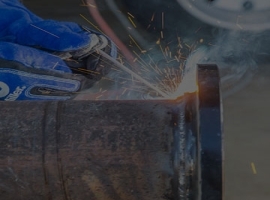
The valve is the primary control point for flux delivery. Its design and operation determine the precision with which flux can be started, stopped, and metered. Different valve types offer distinct advantages and are suited for different operational requirements.
Slide Gate Valves
A slide gate valve is one of the most common and robust designs. It consists of a flat plate, or "gate," that slides across an opening at the base of the hopper. When the gate is open, flux flows through via gravity. The degree to which the gate is opened can be used to meter the flow rate.
- Advantages: Simple, durable, and reliable mechanism. It offers a full, unobstructed flow path when fully open, which is excellent for coarse or high-flow-rate fluxes. They are generally easy to maintain and can handle the abrasive nature of welding fluxes well.
- Considerations: Fine control can sometimes be challenging compared to other designs. The sliding mechanism can be prone to jamming if fine flux particles or debris become trapped in the slide ways.
Butterfly Valves
A butterfly valve uses a circular disc mounted on a central pivot. When actuated, the disc rotates 90 degrees to either block the flow or allow it to pass. They are often used in larger, stationary systems.
- Advantages: Quick to open and close. The design is relatively simple with few moving parts.
- Considerations: The central disc remains in the flow path even when fully open, which can be an obstruction for certain types of flux and may cause uneven flow patterns. They are less common on mobile welding tractors where precise, low-rate metering is often required.
Pinch Valves
Pinch valves operate by using a mechanical or pneumatic actuator to squeeze a flexible rubber or elastomer sleeve, cutting off the flow of flux. When the pressure is released, the sleeve returns to its open position.
- Advantages: Provides an excellent seal and is highly resistant to abrasion and clogging, as there are no internal moving parts in the flux path. The flexible sleeve's action helps to break up any compacted flux.
- Considerations: The elastomer sleeve is a wear item and will eventually require replacement. The performance can also be affected by extreme temperatures, which might cause the sleeve to become brittle or overly soft.
The Importance of Screens and Mesh Size
A screen or sieve integrated into the system is a non-negotiable feature for any professional SAW setup. Its role is to protect the integrity of the weld by preventing foreign objects and oversized particles from entering the weld zone.
Preventing Contamination and Clogging
During flux recovery and recycling, small pieces of solidified slag, mill scale, or other debris can be inadvertently mixed in with the unused flux. If these contaminants are allowed to pass through the hopper and into the weld puddle, they can cause critical weld defects. The screen acts as a final filter, catching these particles before they can cause damage. Furthermore, it prevents oversized flux granules or agglomerated clumps from jamming the valve or delivery hose, ensuring a smooth and consistent flow.
Understanding Mesh Numbers
Screens are specified by their mesh number (or mesh size), which indicates the number of openings per linear inch. A higher mesh number corresponds to smaller openings and a finer screen.
- Low Mesh Number (e.g., 10-12): Larger openings, suitable for coarse, fused fluxes. Allows for high flow rates but will only stop larger debris.
- High Mesh Number (e.g., 20-30): Finer openings, necessary for finer grain agglomerated or bonded fluxes. Provides better filtering but may be more prone to clogging if the flux contains a lot of dust or moisture.
The correct mesh size is typically recommended by the manufacturer of the welding fluxes you are using. It's a balance between ensuring adequate filtration and maintaining unimpeded flow.
Determining the Correct Capacity and Size
The capacity of the flux delivery system, typically measured in kilograms or pounds, is a critical factor influencing productivity and system design. Choosing a capacity that is too small results in frequent stops for refilling, while an oversized unit can negatively affect the mobility and balance of a welding tractor.
Matching Capacity to Your Duty Cycle
For long, continuous welds on large vessels, pipes, or structural beams, a large capacity hopper (e.g., 50 kg or 100 kg) is essential. It allows operators to complete entire weld seams without interruption, preserving thermal consistency and improving overall efficiency. For smaller, intermittent welds, a standard 25 kg capacity unit may be sufficient.
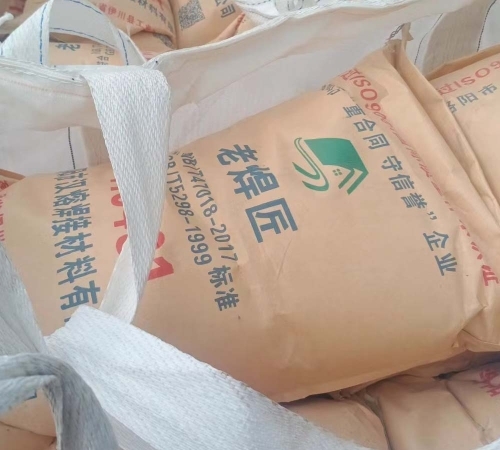
When planning for high-volume, continuous operations, it's vital to have a reliable supply chain for your consumables. As an ISO 9001 certified manufacturer with a 1000 square meter plant capable of producing 100 tons of high-quality flux per day, Oldwelders understands the demands of industrial-scale projects. We can supply high-purity submerged arc welding flux hj431 with a minimum order quantity of just 1 ton, ensuring your large-capacity systems remain productive. Our raw materials, including dolomite, bauxite, and silica, are melted at 2000 °C to create fluxes that deliver superior performance for clients in demanding markets like Brazil, Australia, and Malaysia.
Weight and Balance Considerations for Welding Tractors
When mounting a hopper on a mobile SAW tractor, the weight of the unit plus the flux becomes a significant consideration. An overly heavy or poorly positioned hopper can affect the tractor's stability, traction, and steering, potentially leading to deviations from the weld seam. The system's center of gravity must be carefully managed. Always consult the welding tractor’s specifications for its maximum load-bearing capacity and recommended mounting configurations.
Common Integration and Compatibility Questions
Integrating a flux delivery system with your existing equipment requires careful consideration of mechanical and electrical interfaces.
Mounting on SAW Tractors vs. Column and Boom Systems
On a welding tractor, the hopper is typically mounted directly onto the carriage. The mounting bracket needs to be robust and adjustable to position the delivery hose correctly relative to the welding head. For large column and boom manipulators, the hopper may be mounted on the boom itself or even be a large, floor-standing unit that feeds flux over a longer distance. These larger systems often incorporate heating elements to keep the flux dry.
Hoses and Delivery Tubes
The hose that transports the flux from the valve to the weld head is a critical component. It must be made of a durable, abrasion-resistant material and have a smooth inner wall to promote flow. The diameter of the hose must be large enough to prevent clogging, and its length should be optimized to avoid unnecessary bends or kinks that could impede the gravity feed.
Electrical Connections for Heated Hoppers
In humid environments or when using hygroscopic (moisture-absorbing) bonded fluxes, a heated hopper is essential to prevent moisture pickup. Moisture in the flux is a primary cause of hydrogen-induced cracking and porosity. These units require a power connection, typically from the welding controller or a separate power supply. It is crucial to ensure the voltage and power ratings are compatible with your system's electrical architecture.
Partnering with an Experienced Supplier
Selecting the right flux hopper is a technical decision that contributes directly to the quality and profitability of your welding operations. By carefully considering the valve mechanism, screen size, capacity, and integration requirements, you can ensure a reliable and efficient flux delivery system. This attention to detail is what separates average results from exceptional, defect-free welds.
At Oldwelders, we provide not only the core welding machines but also the full ecosystem of consumables and accessories required for high-performance applications. With a proven track record of serving industrial clients across key markets such as Thailand and Malaysia, we have the expertise to help you specify a complete SAW solution tailored to your specific needs. Contact our technical team today to discuss your requirements for welding equipment, consumables, and accessories.